Peace Hopes Shift Currency Markets
Asian currencies and crude oil markets shift as U.S.-Iran peace prospects relieve safe-haven flows, while traders weigh U.S. inflation data and incoming central bank rate decisions.
معلومات

简体中文
繁體中文
English
Pусский
日本語
ภาษาไทย
Tiếng Việt
Bahasa Indonesia
Español
हिन्दी
Filippiiniläinen
Français
Deutsch
Português
Türkçe
한국어
العربية
اردو


Asian currencies and crude oil markets shift as U.S.-Iran peace prospects relieve safe-haven flows, while traders weigh U.S. inflation data and incoming central bank rate decisions.
TRADE NATION shows a comparatively strong WikiFX profile with a 9.09 score and regulation listed under the FCA, ASIC, FSCA, Bahamas SCB, and Seychelles FSA. The main risks come from offshore-regulated entities, recent user complaints, platform-access security gaps, and reported trading disputes, so it should be checked carefully before any deposit.

The U.S. dollar edges lower and crude oil plunges following an abrupt de-escalation between the U.S. and Iran, easing global inflation fears. Market focus shifts to central bank policies as the ECB raises its deposit rate to 2.25 percent while U.S. producer prices print above expectations without altering Federal Reserve rate pause projections.
RaiseFX carries a severe warning profile: traders report frozen or banned accounts, disputed withdrawal deductions, and a 20% penalty on returned deposits, while European regulators list unauthorized activity. For retail Forex traders, the danger is not theoretical—it is showing up in account access and withdrawal complaints.

Scalping sounds like an easy way for beginners to make fast profits, but it often leads to blown accounts. This article explains how hidden high-rebate spreads, lagging chart tools, and a lack of total focus easily destroy short-term trading strategies.
ThinkMarkets has a relatively high WikiFX Score of 7.75 and several named regulatory entries, including FCA, ASIC, CySEC, Seychelles FSA, Japan FSA, and South Africa FSCA, but the available data also shows offshore and unverified status markers. The core risk is not lack of information; it is the sharp contrast between strong-looking regulation data and a large cluster of recent withdrawal and account-handling complaints.
Ming Tak (MTF Trading) is an HKGX-regulated broker with a high WikiFX score, but it currently displays mixed risk signals due to conflicting user reports regarding blocked withdrawals and account support. Indian traders should cautiously verify its platform access and complaint history before depositing funds.
FXCentrum holds an offshore Seychelles license but currently faces strict regulatory warnings from the UK FCA and Spain's CNMV for unauthorized services. Given its low WikiFX score and user complaints concerning withdrawal fees, Indian traders should approach this broker with significant caution.
The U.S. dollar remained steady as May inflation hit 4.20%, limiting expectations for short-term Federal Reserve rate cuts. Meanwhile, WTI crude oil surged past $90 on Middle East supply disruptions, and the Bank of Canada held rates at 2.25%. A look at current macroeconomic conditions for forex and CFD traders.
A 1.46 WikiFX score and a complete lack of regulation make BotBro a high-risk entity. An Indian user has already reported unauthorized account deductions, signaling severe safety concerns before any funds are deposited.
The U.S. dollar edged lower as markets reacted to nuanced U.S. inflation data and shifting Middle East diplomatic prospects. The Indian rupee faced severe mixed pressures, ultimately sliding to 95.75 per dollar amid heavy foreign outflows. Concurrently, traders positioned for sweeping central bank shifts, tracking a rate hike from the ECB and anticipating a 25 basis point hike from the Bank of Japan as the yen hovered at the critical 160 intervention level.

The US dollar weakened as easing Middle East geopolitical tensions triggered a sharp sell-off in crude oil, lowering immediate inflation expectations. The euro traded higher following an ECB rate hike, while markets digested US labor and inflation data to firm up expectations for a Federal Reserve rate hold.

Transitioning from a demo account to live trading often introduces intense psychological pressure and the fear of holding positions. This article explains how beginner traders can overcome emotional decision-making by understanding loss aversion, using technical analysis, and relying on clear price resistance levels.

Many Indian beginner Forex traders feel frustrated when their stop-loss orders are triggered at much worse prices during early morning market handovers or sudden news drops. This article explains the mechanics of slippage, why standard stop orders cannot guarantee an exact exit price in low-liquidity markets, and how beginners can protect their trades. The main takeaway is that understanding order execution and market hours is more reliable than blindly trusting a stop-loss during extreme volatility.
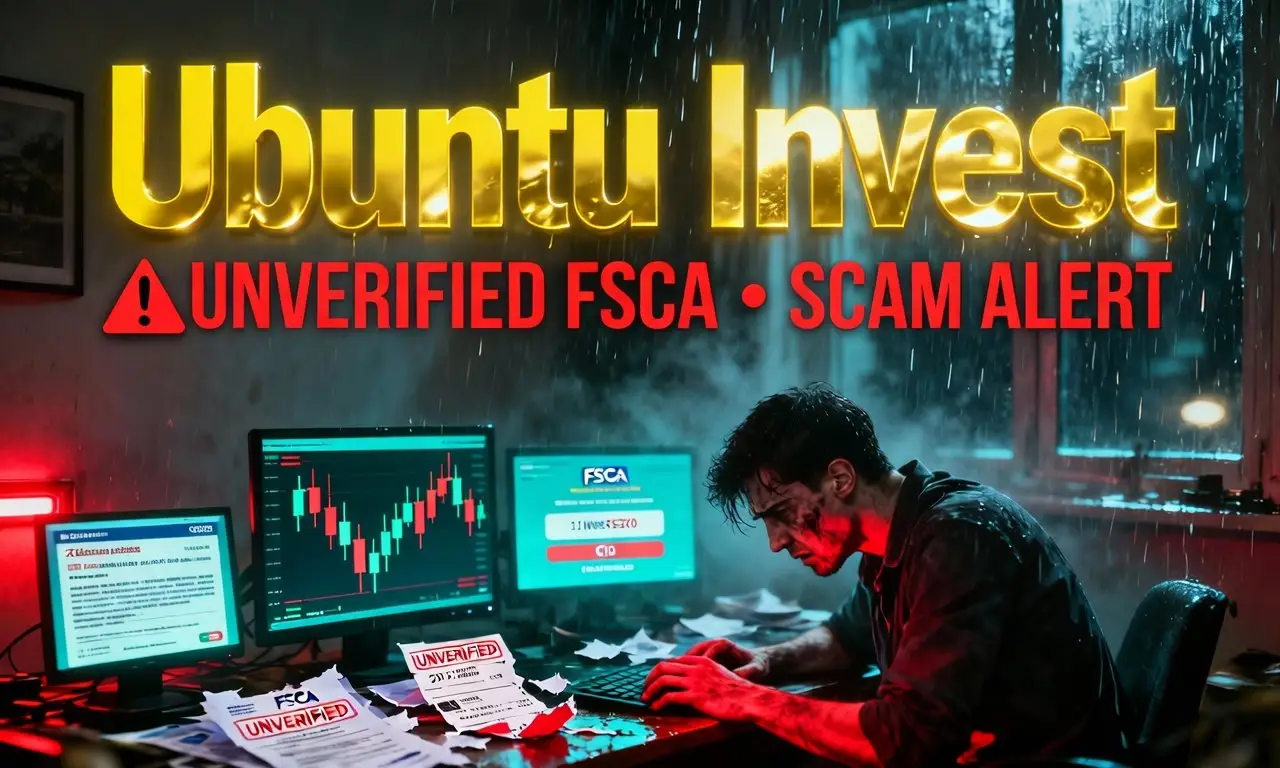
Ubuntu Invest is reviewed as a forex broker with a WikiFX Score of 1.52 and an unverified South Africa FSCA regulatory status. User reports allege scam and fraud-related issues, making caution essential before considering any account activity.

Spain’s CNMV has warned against 10 unauthorized investment platforms and clone entities, including websites linked to suspected online scams, fake endorsements, and AI-assisted promotional activity.
WAYONE CAPITAL, a Saint Lucia-based forex broker, is reportedly facing allegations from users worldwide. Most users allege that the brokerage entity does not comply with fund withdrawal norms and gives petty excuses for not releasing funds on time. Additionally, users have complained about the reflection of the wrong trading account balance while accessing the WAYONE CAPITAL login. If you have faced similar concerns with this broker, you are at the right place! This 2026 WAYONE CAPITAL review article examines user allegations and gives an update on the broker’s regulatory status.
The producer price index was expected to increase 0.7% in May, according to the Dow Jones consensus forecast.
The producer price index was expected to increase 0.7% in May, according to the Dow Jones consensus forecast.
The producer price index was expected to increase 0.7% in May, according to the Dow Jones consensus forecast.