

Broker Globale Piattaforma di Verifica Regolamentare
WikiFX
Italiano
简体中文
繁體中文
English
Pусский
日本語
ภาษาไทย
Tiếng Việt
Bahasa Indonesia
Español
हिन्दी
Filippiiniläinen
Français
Deutsch
Português
Türkçe
한국어
العربية
اردو


FXTRADING Economic Data Summary (Asia-Pacific | 08/12)


Sommario:RBA Keeps Interest Rates UnchangedThe Reserve Bank of Australia decided at its August meeting to keep the cash rate unchanged at 4.35%. The RBA acknowledged that inflation pressures are easing, but di

RBA Keeps Interest Rates Unchanged
The Reserve Bank of Australia decided at its August meeting to keep the cash rate unchanged at 4.35%. The RBA acknowledged that inflation pressures are easing, but did not signal the end of the rate hike cycle, stating that further rate increases could still be considered if upside inflation risks re-emerge. The current policy focus is on finding a balance between containing price pressures and avoiding an excessive economic slowdown, with easing inflation providing only more time for policy adjustments rather than confirming a shift in direction.
The latest forecasts show that the RBA has become more optimistic about near-term inflation, but remains cautious about the longer-term decline. The RBA lowered its forecast for headline CPI in June 2026 from 4.8% to 3.9%, and reduced the December forecast from 4.0% to 3.6%. For trimmed mean CPI, the June 2026 forecast was lowered from 3.8% to 3.6%, while the December forecast was cut from 3.5% to 3.3%. FXTRADING analysis suggests that the RBA is likely to maintain a cautious stance in the near term, limiting expectations for rate cuts. Future policy direction will mainly depend on inflation trends and incoming economic data.
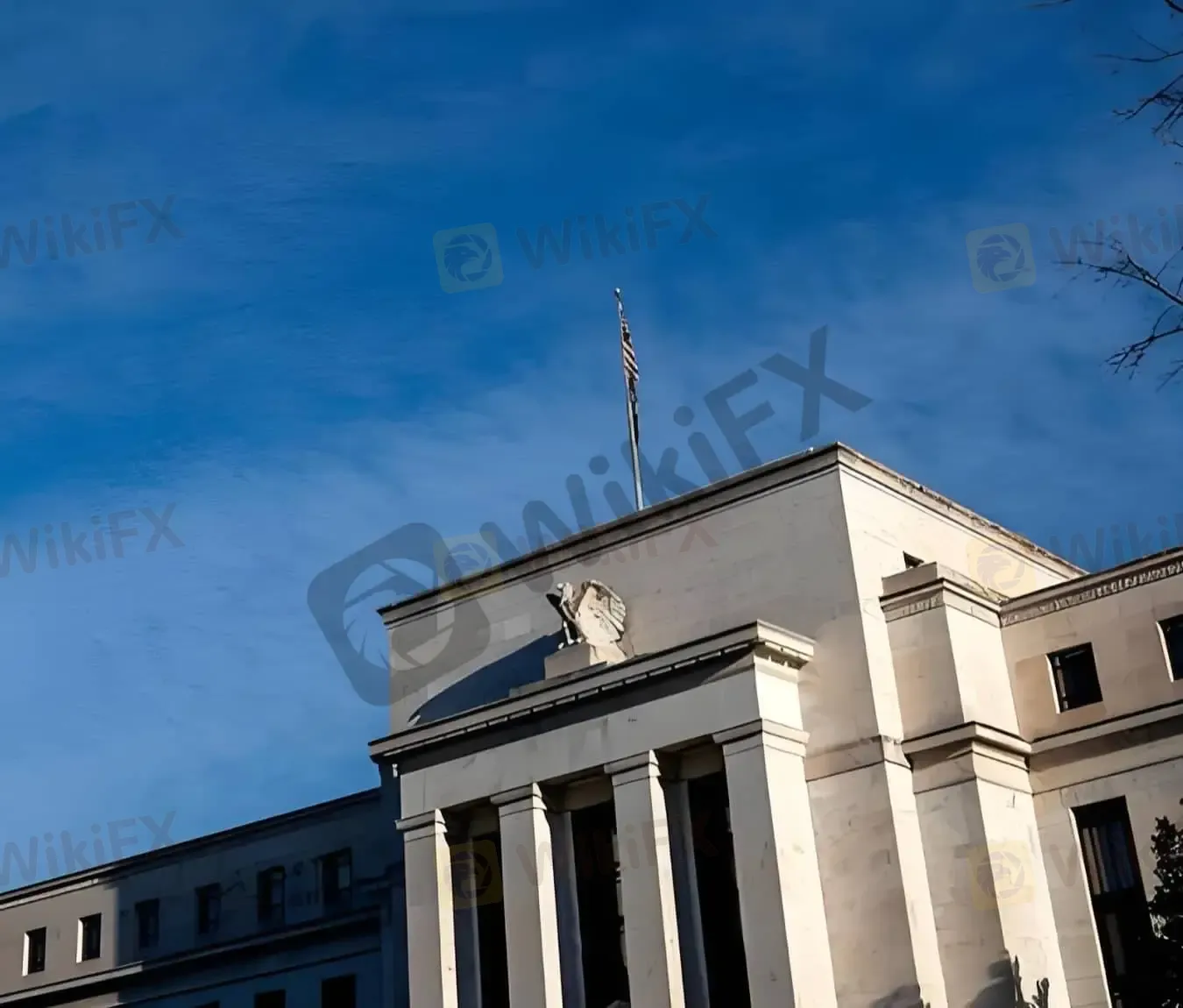
Feds Hammack Highlights the Need for Further Rate Hikes
Cleveland Fed President Beth Hammack said that current interest rate levels may not be sufficient to effectively curb inflation, and multiple additional rate hikes may be required to bring inflation back toward the target. She previously opposed the Feds decision to keep rates unchanged in July and supported a 25-basis-point increase, arguing that a modest rate hike would have limited economic impact and that continued tightening would be necessary to create a more meaningful restrictive effect.
Hammack noted that the current federal funds target range stands at 3.50% to 3.75%, but businesses have not shown significant signs of being affected by higher financing costs, suggesting that monetary policy may not yet be restrictive enough. Meanwhile, US nonfarm payrolls fell by 23,000 in July, but the unemployment rate remained at 4.1%, which she viewed as evidence that the labor market remains broadly stable. Markets are closely watching July core CPI, which is expected to slow to 2.5% from 2.6% in June.FXTRADING analysis suggests that internal divisions within the Fed over the policy outlook remain, with inflation data continuing to be the key factor determining the future rate path. Markets will need to monitor whether hawkish voices gain further influence.
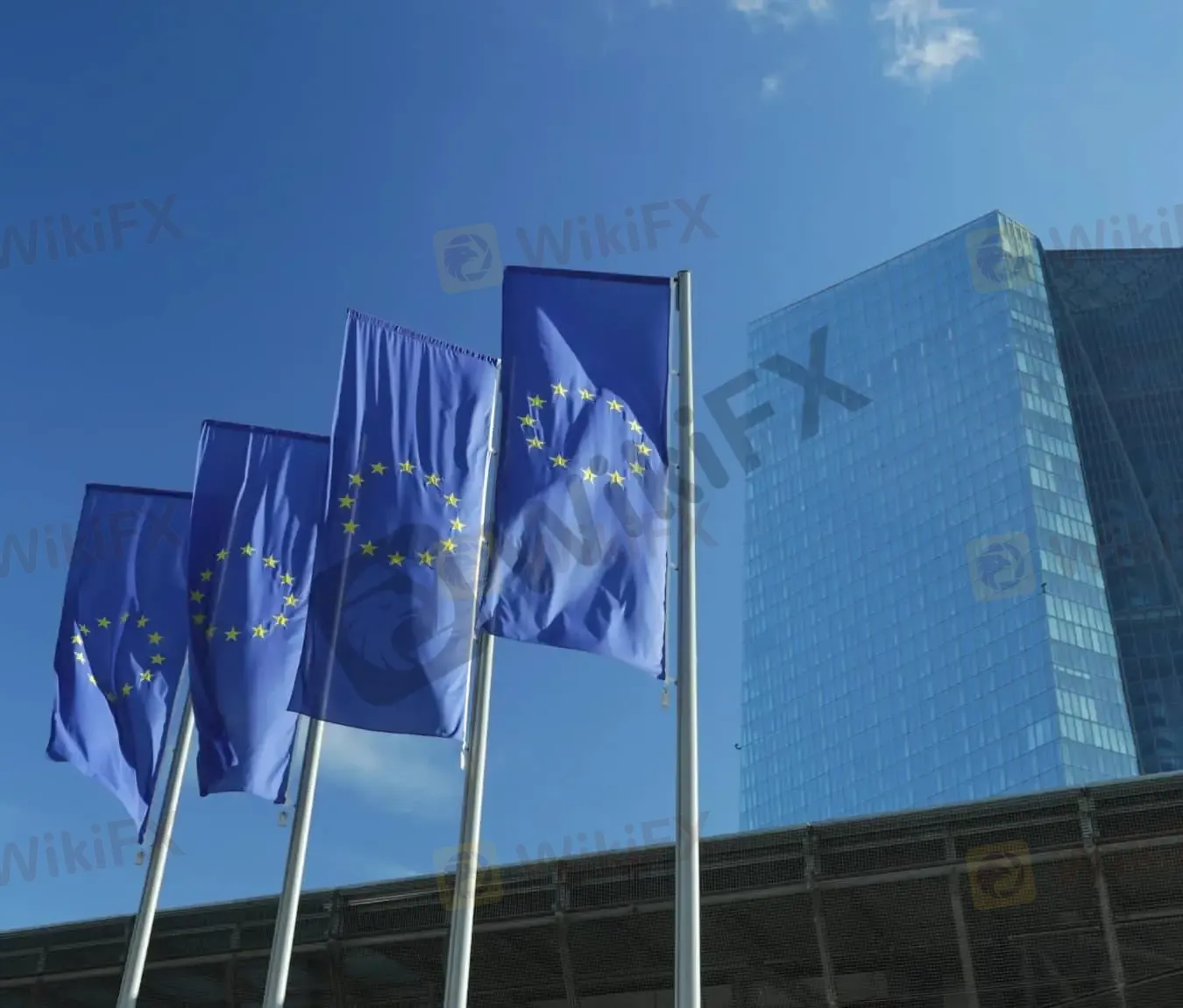
Eurozone PMI Rises to a High Level
The Eurozone economy showed signs of improvement at the start of the third quarter, with the final S&P Global Composite PMI rising from 50.0 in June to 52.0 in July, reaching an eight-month high. The Services PMI increased from 49.4 to 51.7, marking the highest level in five months. Both output and new order growth accelerated to their strongest pace since November last year, indicating that market demand is gradually recovering.
Germany has become a key driver of the Eurozone recovery, with its Composite PMI rising to 51.3 after three consecutive months of contraction, returning to expansion territory mainly due to improvements in the services sector. At the same time, input cost growth slowed to the lowest level since February, while business confidence climbed to its highest point since January, suggesting that stronger growth has not created significant additional inflation pressure. FXTRADING analysis suggests that the Eurozone economy is gradually moving away from stagnation, and if external conditions continue to improve, the regions recovery momentum could strengthen further.

Dutch Trade Surplus Expands
The Netherlands recorded solid trade performance in June, with the trade surplus increasing to €10.4 billion from €10.1 billion in the same period last year. Export value rose 9.4% year-on-year to €71.7 billion, with exports to the European Union increasing 14.0% and exports to non-EU countries rising 2.7%.
On the import side, Dutch imports increased 10.5% year-on-year in June to €61.3 billion, mainly driven by higher energy and consumer goods imports. From January to June this year, the Netherlands recorded a cumulative trade surplus of €53.3 billion, but exports increased only 0.7% while imports rose 2.9%, indicating that trade growth continues to face pressure from slowing global demand. FXTRADING analysis suggests that the widening Dutch trade surplus reflects some improvement in the European external demand environment, but export growth remains moderate. Future performance will depend on the recovery of global trade and changes in energy costs.
Disclaimer:
Le opinioni di questo articolo rappresentano solo le opinioni personali dell’autore e non costituiscono consulenza in materia di investimenti per questa piattaforma. La piattaforma non garantisce l’accuratezza, la completezza e la tempestività delle informazioni relative all’articolo, né è responsabile delle perdite causate dall’uso o dall’affidamento delle informazioni relative all’articolo.
WikiFX Trader
Exness
Sotto supervisione
D prime
Sotto supervisione
FXTM
Sotto supervisione
SBCFX
Sotto supervisione
EBC FINANCIAL GROUP
Sotto supervisione
STARTRADER
Sotto supervisione
Exness
Sotto supervisione
D prime
Sotto supervisione
FXTM
Sotto supervisione
SBCFX
Sotto supervisione
EBC FINANCIAL GROUP
Sotto supervisione
STARTRADER
Sotto supervisione
