


Global Broker Regulation Inquiry App
About WikiFX
English
简体中文
繁體中文
English
Pусский
日本語
ภาษาไทย
Tiếng Việt
Bahasa Indonesia
Español
हिन्दी
Filippiiniläinen
Français
Deutsch
Português
Türkçe
한국어
العربية
اردو
LONG ASIA Review 2026: Unverified Regulation and Withdrawal Risks
Abstract:LONG ASIA currently carries a high risk profile for Indian traders due to unverified South African regulation, an offshore registration in St. Vincent, and a low WikiFX score of 2.05. A pattern of unresolved withdrawal complaints and allegations of unauthorized trading signal a need for extreme caution before depositing funds.
LONG ASIA currently carries a high risk level for Indian traders due to an unverified regulatory license and a recent spike in withdrawal complaints. Operating out of the offshore jurisdiction of St. Vincent, the broker holds a very low WikiFX score of 2.05. Before considering this platform, traders should carefully evaluate the reported issues with delayed payouts and account security.
When choosing an online broker, verifying its safety record is the most critical step. In this LONG ASIA review, we look closely at the available data to see if the trading conditions and platform reliability hold up to scrutiny. While the broker offers accessible entry points, a closer look at its regulatory status and user feedback reveals several red flags that Indian retail traders cannot afford to ignore.
 Contents
Regulation and Safety
The available regulation details matter because weak oversight can leave traders with fewer options when withdrawals or account disputes arise. According to WikiFX data, LONG ASIA is headquartered in St. Vincent, a renowned offshore jurisdiction that does not strictly regulate Forex brokers.
Furthermore, the broker is linked to an entity named SCAP BROKER (PTY) LTD, which claims regulation under the South African Financial Sector Conduct Authority (FSCA). However, this license is officially labeled as “Unverified.” For an Indian trader, this means LONG ASIA effectively operates without strict, verified international oversight, meaning your funds may not be protected by robust regulatory safeguards if the company faces financial trouble or fails to process withdrawals.
WikiFX Score and Risk Signals
Information from WikiFX indicates that LONG ASIA has an overall score of just 2.05 out of 10. This data point is a severe risk signal.
Recently, the broker has received at least eight public complaints within a three-month window. Because of these factors, WikiFX has issued a formal warning advising traders to pay attention to the risks and beware of becoming a victim. For any trader conducting due diligence, an unverified license combined with a very low score strongly suggests that the risk of capital loss is elevated.
Trading Conditions
For anyone comparing Forex conditions, the key is to separate advertised trading access from verified safety information. The data shows that LONG ASIA offers an afforable entry, requiring a minimum deposit of just $100 for both Standard and ECN accounts. The broker states it supports Expert Advisors (EAs), scalping, and lock positioning.
The broker offers maximum leverage of 1:500. While high leverage can appeal to traders with smaller capital bases, it magnifies both potential profits and potential losses. Using 1:500 leverage on an offshore, unverified platform adds an immense layer of risk, particularly during periods of high market volatility.
Platform Access and Login Safety
LONG ASIA utilizes the popular MT5 trading software for its operations. While MT5 is a widely recognized global standard, user exposure cases highlight significant issues regarding order execution on this specific broker's server. One trader from Italy reported a 10-second delay before trades were successfully logged, frustrating scalpers who rely on precise entry points.

Before interacting with the LONG ASIA login page, traders must also consider severe account anomaly risks. An Indian user complained that 1,029 unauthorized automated trades were executed on their account without their direct input, wiping out their balance due to the high 1:500 leverage. If you cannot ensure that your platform credentials and automated trading permissions are completely locked out from external broker interference, your capital is continuously at risk.
Trader Complaints and Withdrawal Issues
The available user complaints describe a very concerning reality. Feedback from Indian traders is heavily mixed. One Indian user reported a smooth, two-year relationship with reliable withdrawals, and another mentioned regular service without issues. However, the negative reports are alarming. Another Indian user stated they deposited $1,000 for trading and saw their money rolled over with no returns and no response from management.
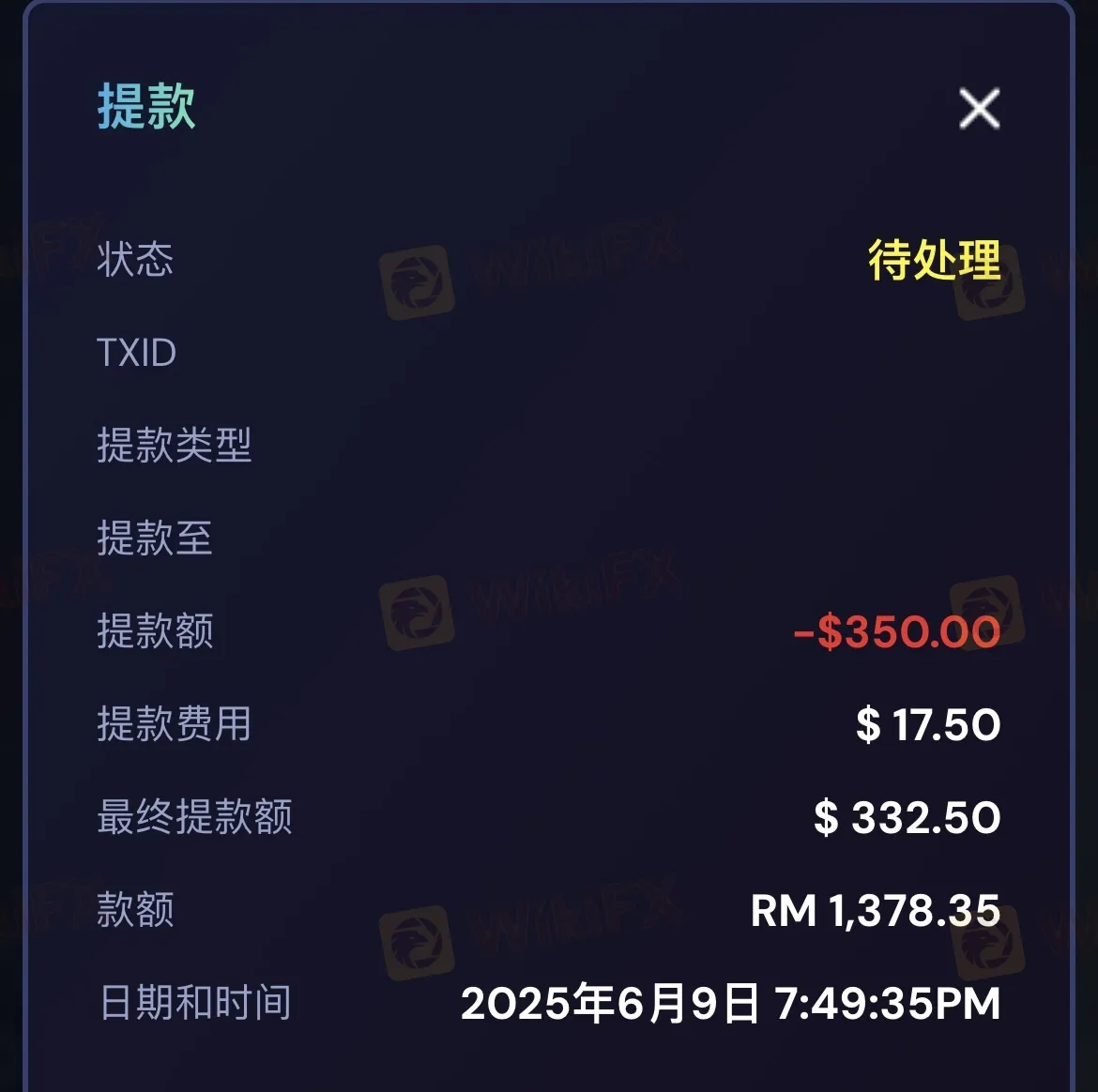
Internationally, the withdrawal situation looks worse. Multiple complaints from Malaysia document severe delays, with users waiting anywhere from 10 days to over a month to access their funds. The brokers customer service repeatedly offered generic excuses about “payment gateway” issues or stopped replying entirely. This pattern of holding client money while offering continuous delays is a classic risk signal in the offshore broker space.
Final Verdict: Should Indian Traders Trust LONG ASIA?
Based on the available evidence, LONG ASIA represents a high-risk environment for Indian retail traders. The unverified FSCA regulation, offshore St. Vincent registration, and a barrage of unresolved withdrawal delays outshine the low deposit requirements and MT5 access. Even with a few positive experiences reported, the verified complaints of blocked payouts and unauthorized automatic trading make this broker too risky to recommend for significant deposits.
Status changes daily. Before depositing, check the WikiFX App for the latest real-time certificate and broker risk updates.
Disclaimer:
The views in this article only represent the author's personal views, and do not constitute investment advice on this platform. This platform does not guarantee the accuracy, completeness and timeliness of the information in the article, and will not be liable for any loss caused by the use of or reliance on the information in the article.
WikiFX Broker
Latest News
WHITEFOREX Review 2026: I Am Not the Only Victim of Its Profit Seizure Activity; Users Say This!
 WikiFX
Vonway Forex Review: No Regulation, Withdrawal Complaints, and a Broker Warning
WikiFXFinalto Review 2026: Regulation, Trading Environment, and Platform Access Risks
WikiFXReview 2026: TRADING 212 Regulation, Clone Warning, and Withdrawal Complaint
WikiFXReview 2026: BOLD PRIME Complaints, Regulation Warnings, and Withdrawal Risk
WikiFXReview 2026: EMIRAX MARKETS Regulation, Withdrawal Complaints, and Trading Risks
WikiFXPolymarket Under Fire as Wall Street Watchdog Launches Investigation
WikiFXRoboMarkets Review 2026: Regulation, Complaints, and Execution Quality
WikiFXMazi Finance Review 2026: Unregulated Status, Withdrawal Complaints, and Risk Signals
WikiFX⚽💱 World Cup · Forex Predict & Win Event
WikiFXCurrency Calculator
USD

CNY
Current Rate:0
Enter amount
USD
Redeemable Amount
CNY
Calculate 