

Global Broker Regulation Inquiry App
About WikiFX
English
简体中文
繁體中文
English
Pусский
日本語
ภาษาไทย
Tiếng Việt
Bahasa Indonesia
Español
हिन्दी
Filippiiniläinen
Français
Deutsch
Português
Türkçe
한국어
العربية
اردو


deriv Review 2026: Regulation, Complaints, and Withdrawal Risk Signals

WikiFX
|


Abstract:Deriv has a WikiFX Score of 7.38 and is recorded as regulated by several authorities, including Malta MFSA and the UAE CMA, with additional offshore licenses. The risk level is mixed rather than low because WikiFX also shows four Indonesian regulatory disclosures and a heavy complaint pattern involving withdrawals, account freezes, slippage, and support delays.
TL;DR: Deriv is not an anonymous broker in the available WikiFX data: it has a 7.38 WikiFX Score, an AAA influence rating, and multiple listed regulators. But the same record also shows 51 recent user complaints, four regulatory disclosures connected to Indonesia, and repeated reports of withdrawal delays, frozen accounts, slippage, and account-access problems.
Before you choose a broker for Forex or synthetic-index trading, the key question is not only whether the company has licenses. You also need to ask how those licenses apply to your country, how withdrawals are handled, and whether real users report consistent account access. In this deriv review, the available WikiFX data shows a broker founded in 2019, headquartered in Malta, using MT5, with a WikiFX Score of 7.38. That score is a live data point, not a permanent safety guarantee.
 Contents
Regulation and Safety
WikiFX lists Deriv as being under several regulators. The Malta Financial Services Authority regulates deriv INVESTMENTS (EUROPE) LIMITED under license number C 70156. The UAE Capital Markets Authority is also shown as regulating Deriv Capital Contracts & Currencies L.L.C, although the regulation number is not published in the source data.
There are also offshore entries: Deriv (BVI) Ltd. under the British Virgin Islands Financial Services Commission, Deriv (V) Ltd under the Vanuatu Financial Services Commission, and Deriv Investments (Cayman) Limited under the Cayman Islands Monetary Authority. This matters because deriv regulation is not a single global shield. A client under a stronger European entity may have a different protection framework from a client routed through an offshore entity.
From a traders perspective, the practical question is simple: which legal entity will hold your account? Offshore regulation can still be legitimate, but it may offer weaker complaint handling, compensation routes, or local dispute support than top-tier domestic oversight. Before depositing, confirm the exact entity shown in your account documents and compare it with the WikiFX certificate.
WikiFX Score and Regulatory Disclosures
Derivs WikiFX Score is 7.38, and its influence rank is AAA. The source also says its influence is mainly distributed across the United Arab Emirates, Albania, Armenia, Angola, Argentina, Austria, Australia, Azerbaijan, Bosnia and Herzegovina, and Bangladesh, with an average influence index of 8.58.
That positive footprint is balanced by risk signals. WikiFX records four regulatory disclosure items linked to Indonesias Commodity Futures Trading Regulatory Agency, also known as BAPPEBTI or CoFTRA. The disclosures describe Indonesian authority actions blocking hundreds and then 1,222 unlicensed commodity futures trading websites and warning that entities offering futures trading in Indonesia need CoFTRA permission, even if they claim overseas licensing. The notices also warn that clients of unlicensed entities may not receive mediation assistance and that funds may not be protected through CoFTRA-approved segregated accounts.
This does not automatically mean every Deriv entity is unsafe. It does mean Indonesian users, and anyone trading across borders, should treat jurisdictional legality as a serious part of the deriv regulation check.
Platform and Account Access
The available platform data says Deriv uses MT5, described as a mainstream MT4/MT5 trading platform. The software review notes MT5 is highly customizable, multilingual, has clear fee reports, and offers useful search functions. It also states that safer access features such as two-step login and biometric authentication are missing.
That last point deserves attention. If you use Deriv, do not enter your deriv login details through unofficial links, social media messages, or third-party “account manager” pages. The source does not show a general login outage, but cases include users saying they could not manage positions after account disabling or system errors. In that context, login security and official-site verification are not small details.
Payments, Withdrawals, and Support
WikiFX lists a very wide range of transfer channels, including bank transfer, Visa, Mastercard, Skrill, Neteller, STICPAY, Binance Pay, USDT rails, Bitcoin, Ethereum, Litecoin, USD Coin, M-PESA, UPI, PIX, VN PAY, SPEI, and many regional methods. At the same time, the source marks cryptocurrency allowance as false, so you should verify the exact payment availability inside your own region and account type rather than assuming every listed method applies to you.
Customer service is listed as supporting six languages, with contact routes including X, Facebook, Instagram, YouTube, LinkedIn, and WhatsApp. The WikiFX service summary says relevant answers are usually provided, but waiting times may be long.
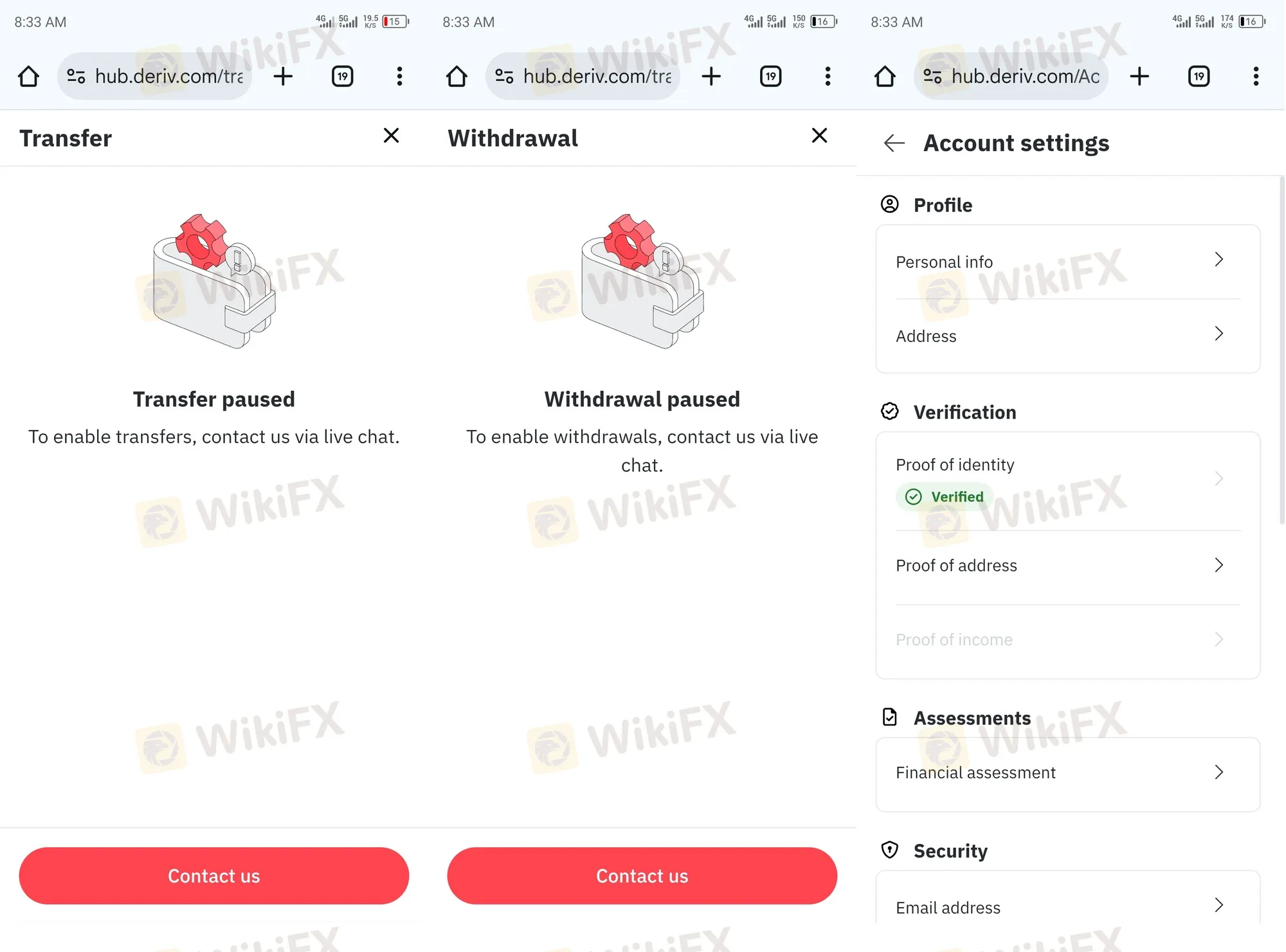
The complaint evidence makes this more than a minor inconvenience. A Nigerian user said a transfer and withdrawal were blocked after ID verification had been completed for three weeks.
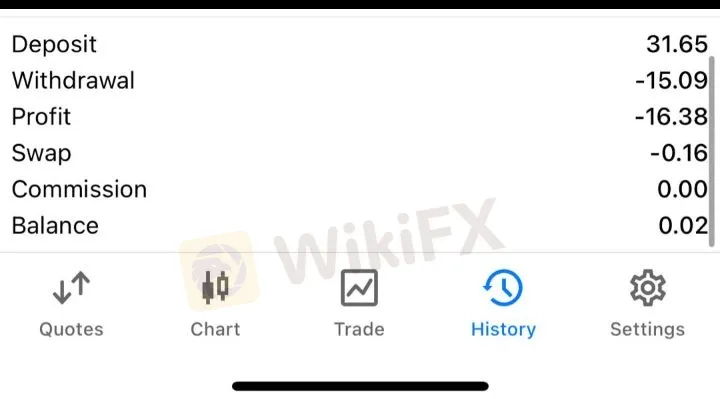
An Indian user reported that withdrawal was marked successful but the funds did not arrive in the external account.
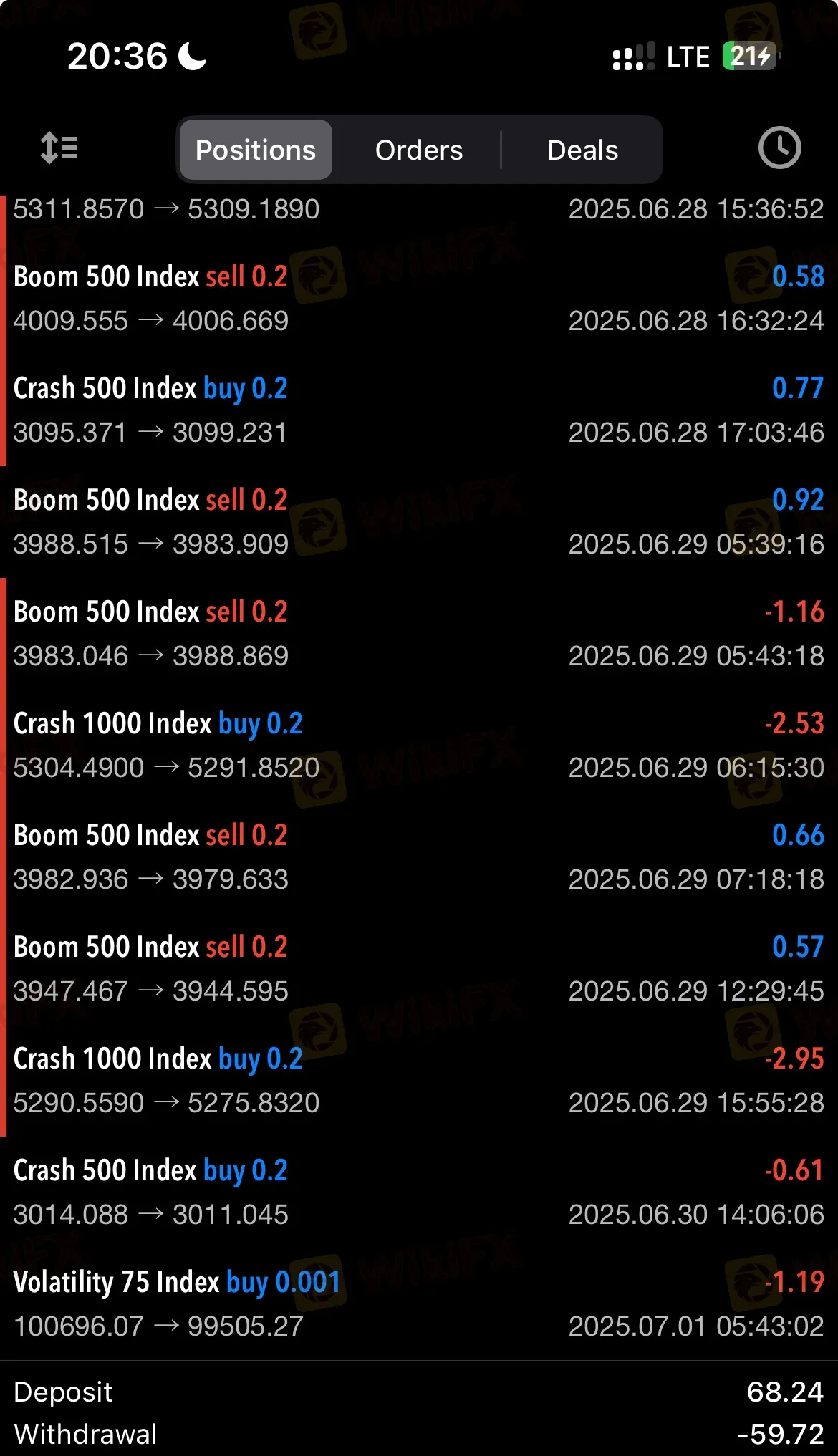
Another Indian case said profit was deducted from the Deriv account but not credited to the wallet, with support asking the user to wait 10 business days.
These are user allegations, not regulator findings, but the pattern is consistent enough that you should test withdrawals early with small amounts.
Trader Complaints and Mixed User Feedback
The cases are not one-sided. Many Spanish-speaking users from Colombia, Venezuela, Bolivia, Panama, and other countries said deposits and withdrawals were fast, the broker was easy to use, and they had no problems. Some English-language reviews also praised fast withdrawals, MT5/DTrader tools, synthetic indices, CFDs, and customer support.
The negative cases, however, are serious. A Venezuela case accused the platform of market manipulation, saying users are allowed to win first and then lose repeatedly. A Pakistan case reported large execution slippage during relatively stable conditions.
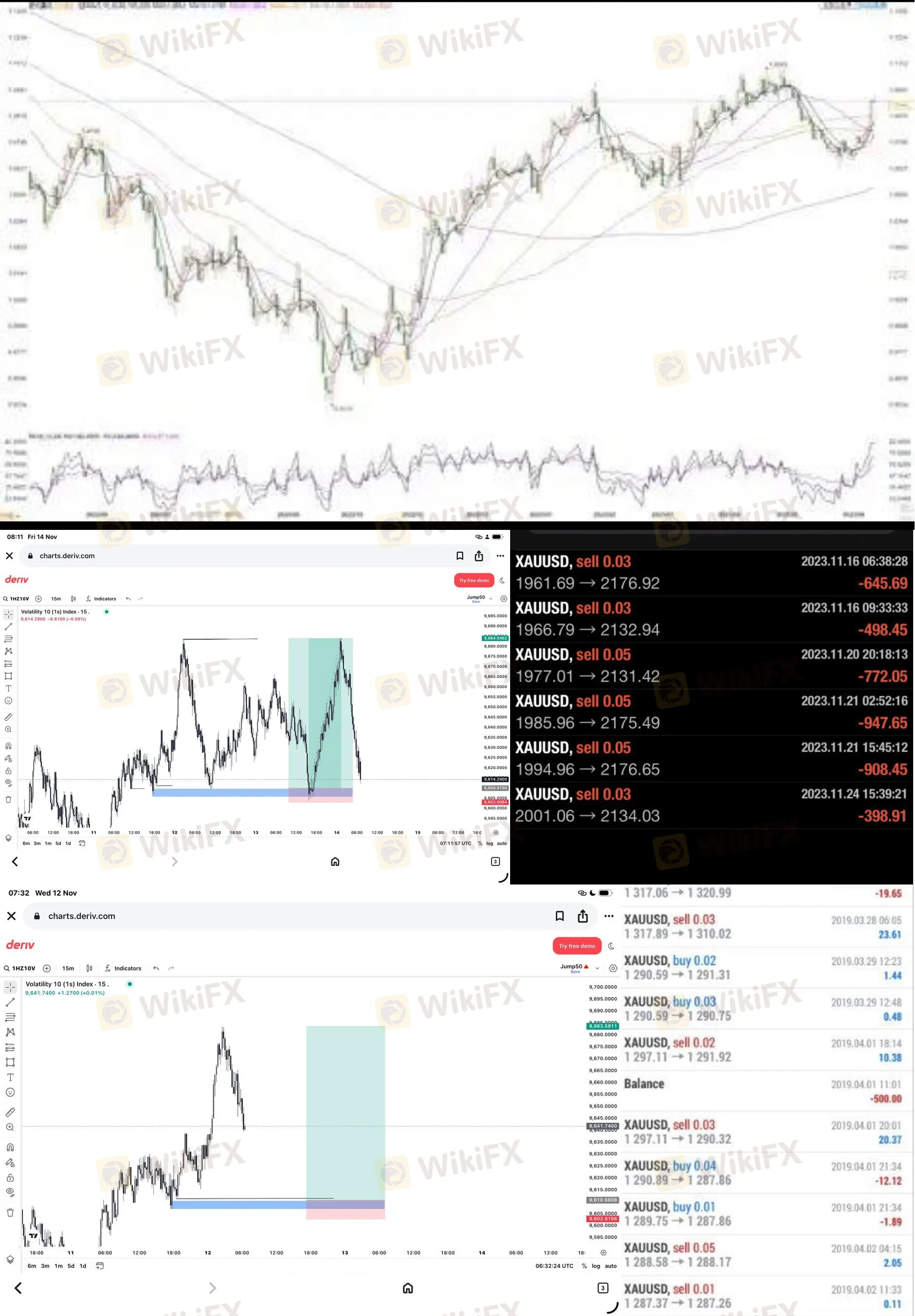
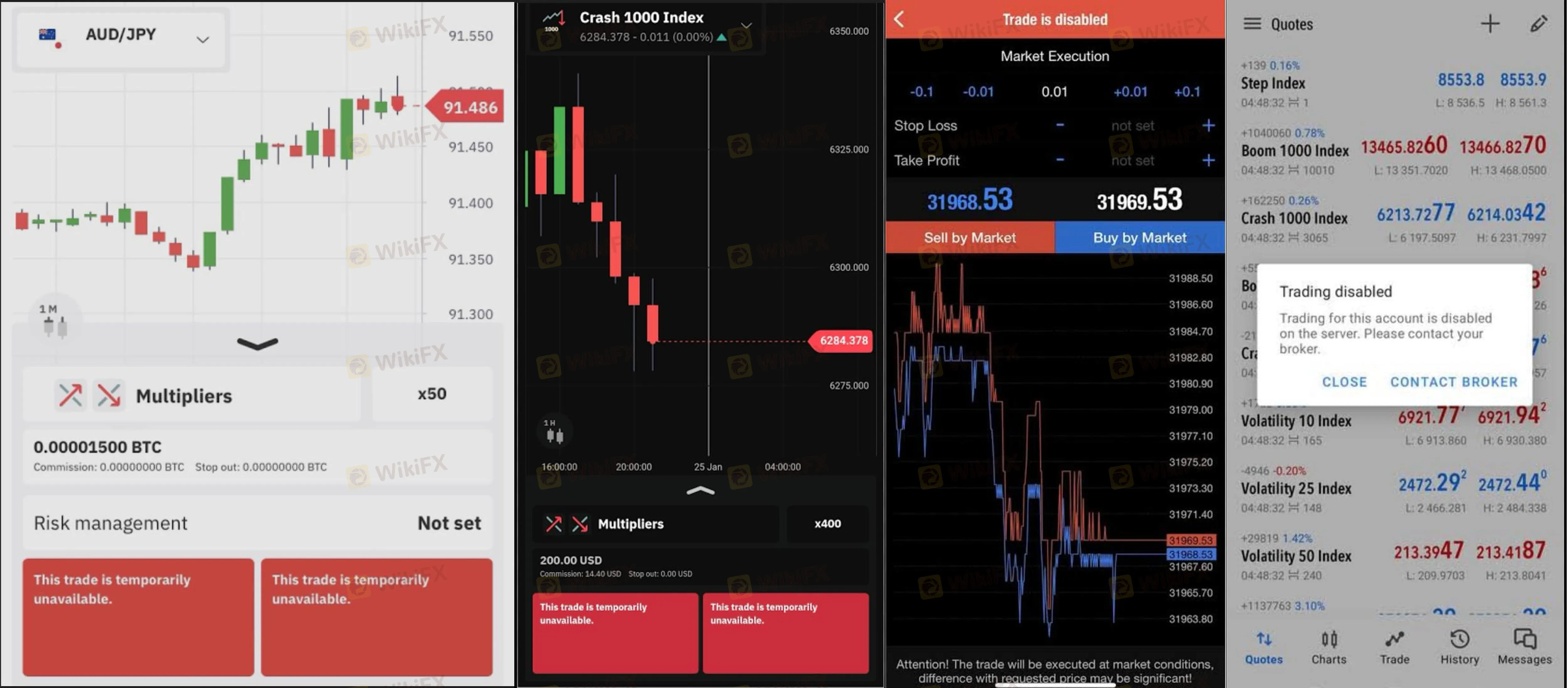
Several India and Indonesia cases alleged sudden leverage reductions, forced liquidation, account freezing, KYC document loops, and wide slippage. One India case claimed an account was disabled while open positions were running, with trading functions blocked and charges deducted.
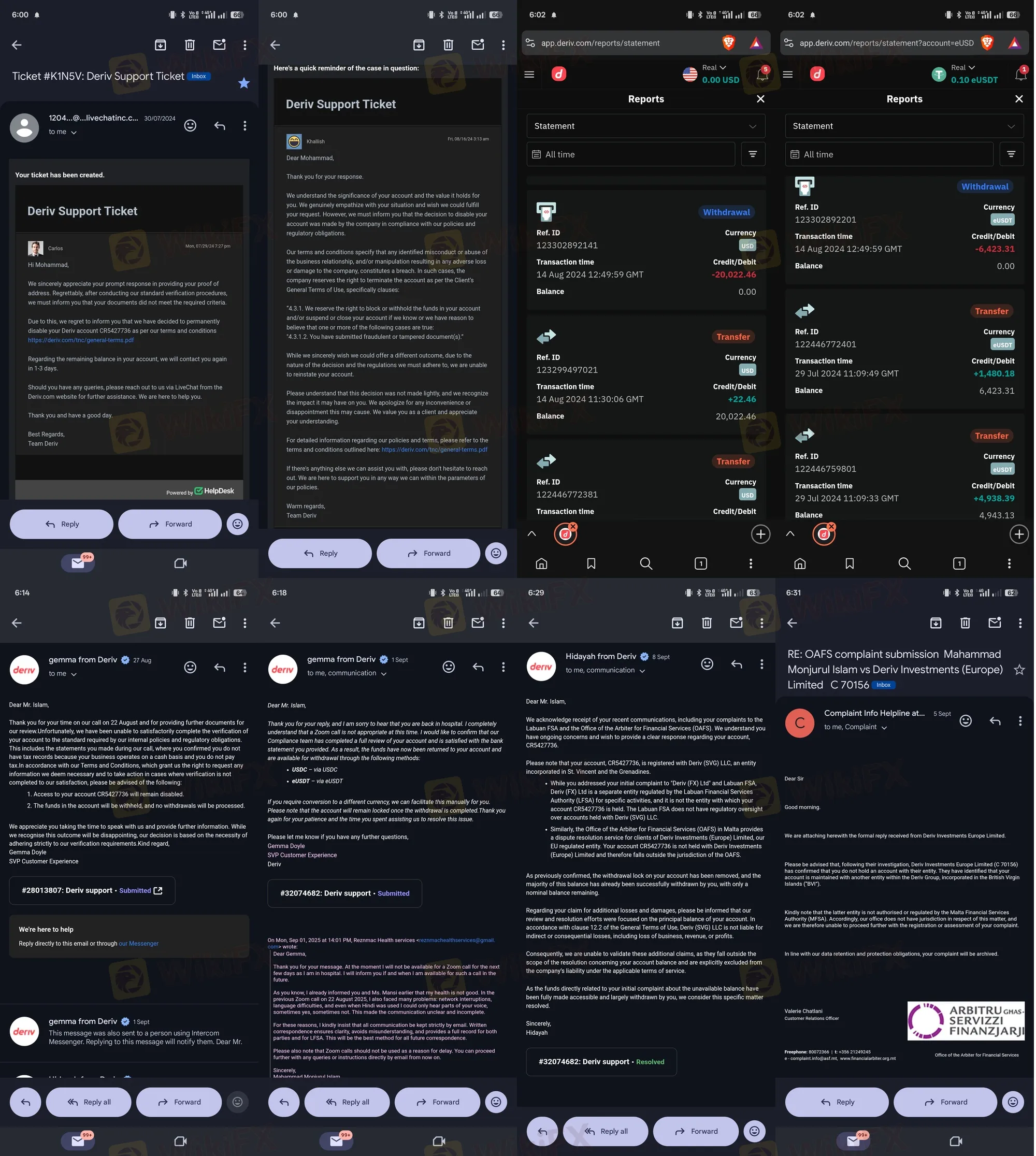
Another India case said a refund of USD 26,455 was processed only after 13 months and after escalation to multiple regulators.
For a Forex trader, these reports point to operational risk: execution quality, margin policy changes, withdrawal reliability, and support escalation. If you still test the broker, keep records of order prices, timestamps, KYC submissions, withdrawal IDs, and all support messages.
Final Verdict: Should I open an account?
Deriv has meaningful regulatory records, a 7.38 WikiFX Score, MT5 access, broad payment coverage, and many positive user reviews. It is not presented in the source data as an unregulated no-name broker.
Still, the risk is clearly not negligible. Offshore licensing, Indonesian regulatory disclosures, 51 recent complaints, and repeated withdrawal/account-freeze allegations mean you should avoid depositing large funds until you verify your exact account entity, local legality, withdrawal route, and support responsiveness. If you proceed, start small, test withdrawal first, and avoid relying on high leverage.
Status changes daily. Before depositing, check the WikiFX App for the latest real-time certificate.

Disclaimer:
The views in this article only represent the author's personal views, and do not constitute investment advice on this platform. This platform does not guarantee the accuracy, completeness and timeliness of the information in the article, and will not be liable for any loss caused by the use of or reliance on the information in the article.
WikiFX Broker
Latest News
Forex Liquidity Provider in 2026: Why the Tightest Spread is Not Always the Best Execution Decision
WikiFXWikiLicense Officially Launches: Building a Global Financial License Verification Platform
WikiFXDollar and Asian FX Steady Before US CPI
WikiFXTRADEVIEW MARKETS Review: Broker Complaints, Regulation Warnings, and Funds Withheld Claims
WikiFXReview 2026: RoboMarkets Regulation, Platform Access, and Trader Feedback
WikiFXLuno Review: Users Report Blocked Withdrawals on an Unregulated 'Suspicious Clone'
WikiFXWinvest Review: Is Your Deposit Safe?
WikiFXKCB Review: Is Your Deposit Safe?
WikiFXOcta Review 2026: Severe Withdrawal Complaints and High Risk Signals
WikiFXWhy More Commodity Revenue Doesn't Instantly Strengthen a Currency
WikiFX