

Global Broker Regulation Inquiry App
About WikiFX
English
简体中文
繁體中文
English
Pусский
日本語
ภาษาไทย
Tiếng Việt
Bahasa Indonesia
Español
हिन्दी
Filippiiniläinen
Français
Deutsch
Português
Türkçe
한국어
العربية
اردو


FBS Review 2026: Is This Forex Broker Safe?

WikiFX
|


Abstract:FBS is a regulated forex broker with a WikiFX Score of 7.59, licensed by CYSEC in Cyprus and ASIC in Australia. However, WikiFX data also shows one regulatory disclosure from Malaysia and a high number of user complaints, mainly involving withdrawals, slippage, price discrepancies, profit deductions, and account-access problems. This review summarizes FBS’s licensing, trading conditions, platforms, and recent user feedback based strictly on the provided WikiFX data.
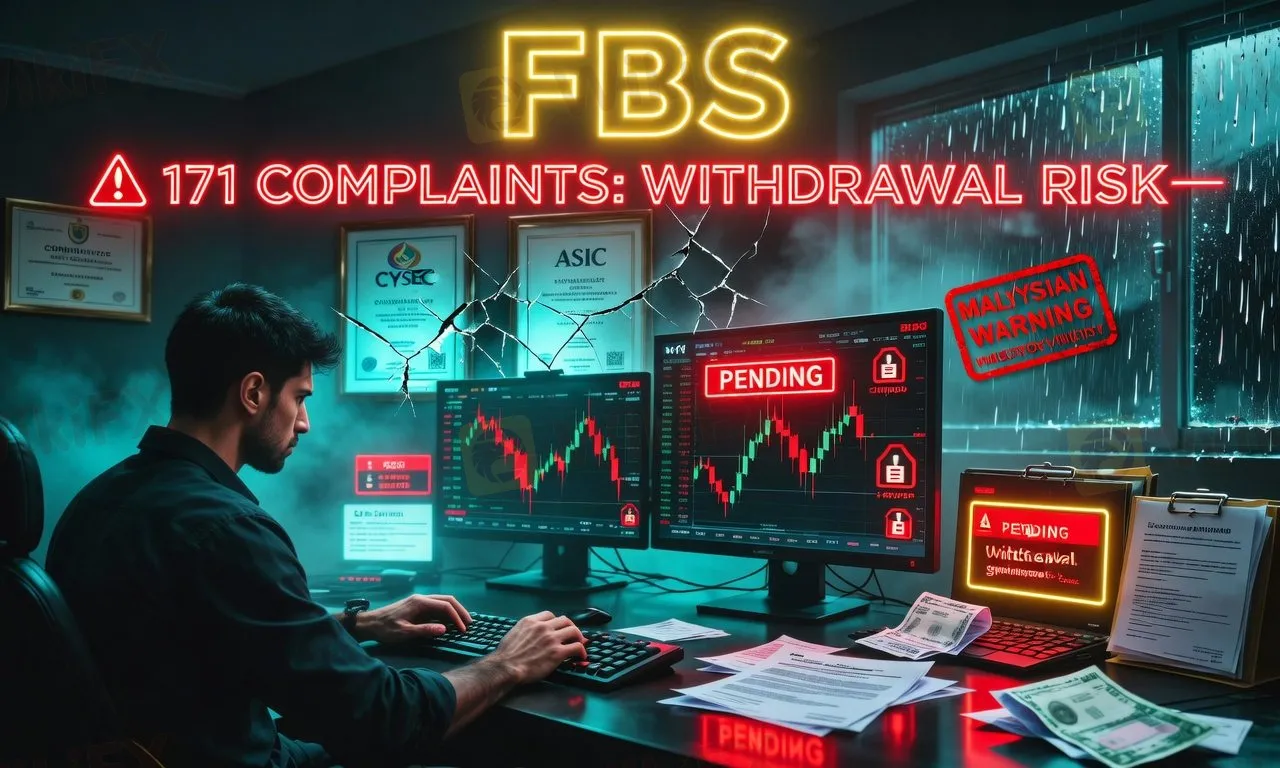
FBS is a forex broker established in 2017 with a WikiFX Score of 7.59. According to the provided WikiFX data, FBS is currently regulated by the Cyprus Securities and Exchange Commission and the Australian Securities and Investments Commission. That gives the broker a stronger regulatory profile than many unlicensed platforms.
However, the safety picture is not entirely straightforward. WikiFX also records one regulatory disclosure from the Securities Commission Malaysia and notes that user complaints received by WikiFX reached 171 in the past three months. This means FBS combines recognized regulatory coverage with a significant complaint record that traders should examine carefully.
 Contents
Pros and Cons of FBS
- ✅ Regulated by multiple financial regulators, including CYSEC and ASIC.
- ✅ WikiFX Score is 7.59, with an overall influence rank of A.
- ✅ Trading environment is rated Good, with a trade environment grade of A based on testing data from 8,437 users.
- ✅ Supports major trading platforms, including MT4 and MT5, alongside a proprietary platform.
- ✅ Offers two account types: Standard and Ultra.
- ✅ Account entry condition is listed as 50 units, with maximum leverage of 1:30.
- ❌ WikiFX records 171 complaints in the past three months, indicating elevated user-risk signals.
- ❌ One regulatory disclosure is recorded by the Securities Commission Malaysia.
- ❌ User cases frequently mention withdrawal delays, rejected withdrawals, profit removals, account restrictions, and slippage.
- ❌ Platform review notes the absence of two-step login and biometric authentication for safer access.
- ❌ Trading environment testing shows weak points in slippage and swap performance, despite strong cost and offline stability grades.
FBS Regulation and License Safety
FBS has two active regulatory records in the provided WikiFX data. Regulation is a positive factor because licensed entities are generally subject to oversight, reporting obligations, and compliance standards set by their regulators. Still, licensing does not eliminate operational risk, especially when complaint volume and regulatory disclosures are present.
CYSEC License in Cyprus
FBS is listed as regulated by the Cyprus Securities and Exchange Commission, with the licensed entity shown as Tradestone Ltd. The license number is 331/17, and the regulatory status is marked as Regulated.
This license is a positive safety indicator because it shows that one FBS-related entity is under formal supervision in Cyprus. For traders, this means the broker is not operating entirely outside the regulatory system based on the WikiFX record.
ASIC License in Australia
FBS is also listed as regulated by the Australian Securities and Investments Commission, with the licensed entity shown as Intelligent Financial Markets Pty Ltd. The license number is 426359, and the regulatory status is marked as Regulated.
ASIC regulation is another meaningful factor in the brokers profile. The presence of this license helps explain why FBS receives a relatively strong WikiFX Score compared with brokers that lack recognized authorization.
Regulatory Disclosure from Malaysia
Despite the regulated status above, WikiFX records one regulatory disclosure from the Securities Commission Malaysia. The disclosure category is listed as Unauthorized, with the reason described as engaging in capital-market activities involving securities and derivatives without permission.
This is an important caution point. The disclosure does not erase the CYSEC and ASIC regulatory records, but it does add complexity to the FBS safety assessment. Traders should confirm which entity they are opening an account with and whether that entity matches the relevant regulatory authorization.
Real User Feedback and Complaints
The complaint record is the most concerning part of this FBS review. The provided cases show repeated allegations across several themes: withdrawal problems, profit deductions, account blocking, slippage, price-feed disputes, forced take-profit settings, and delays or rejections involving deposits.
Several users reported that withdrawal requests were rejected, delayed, or marked as successful without funds arriving. Other cases claimed that profits were removed through adjustments described as “Balance Fixed,” including reported amounts such as USD 586.42, USD 1,099.65, USD 30,000, and USD 44,827. These reports are user allegations and should be treated as complaint data rather than confirmed legal findings.
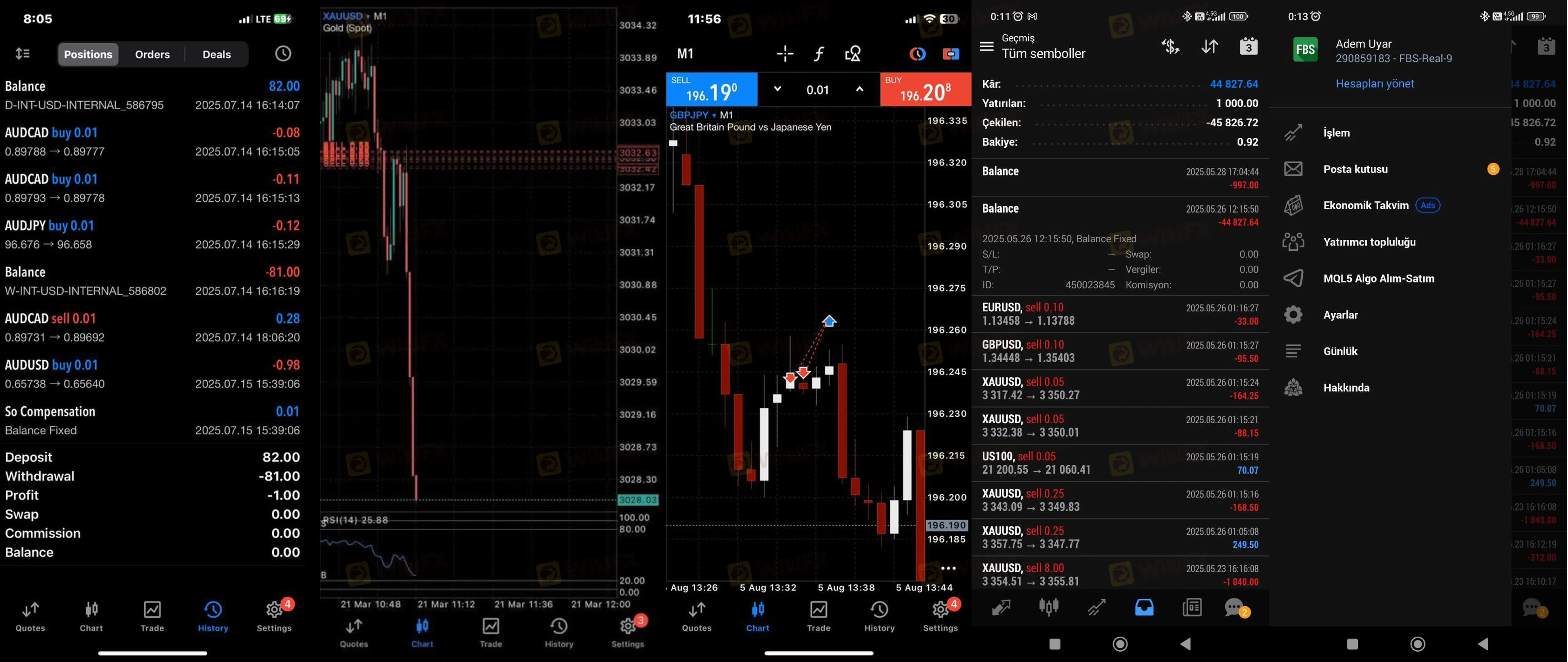
A major recurring theme is execution quality. Multiple users complained about severe slippage, stop-loss gaps, hidden spread, stop-loss execution beyond expected levels, and price candles that allegedly differed from wider market references. One user claimed that a EUR/USD opening-gap execution created an almost USD 30,000 difference, while another reported a forced take-profit event with an alleged impact of USD 17,600.
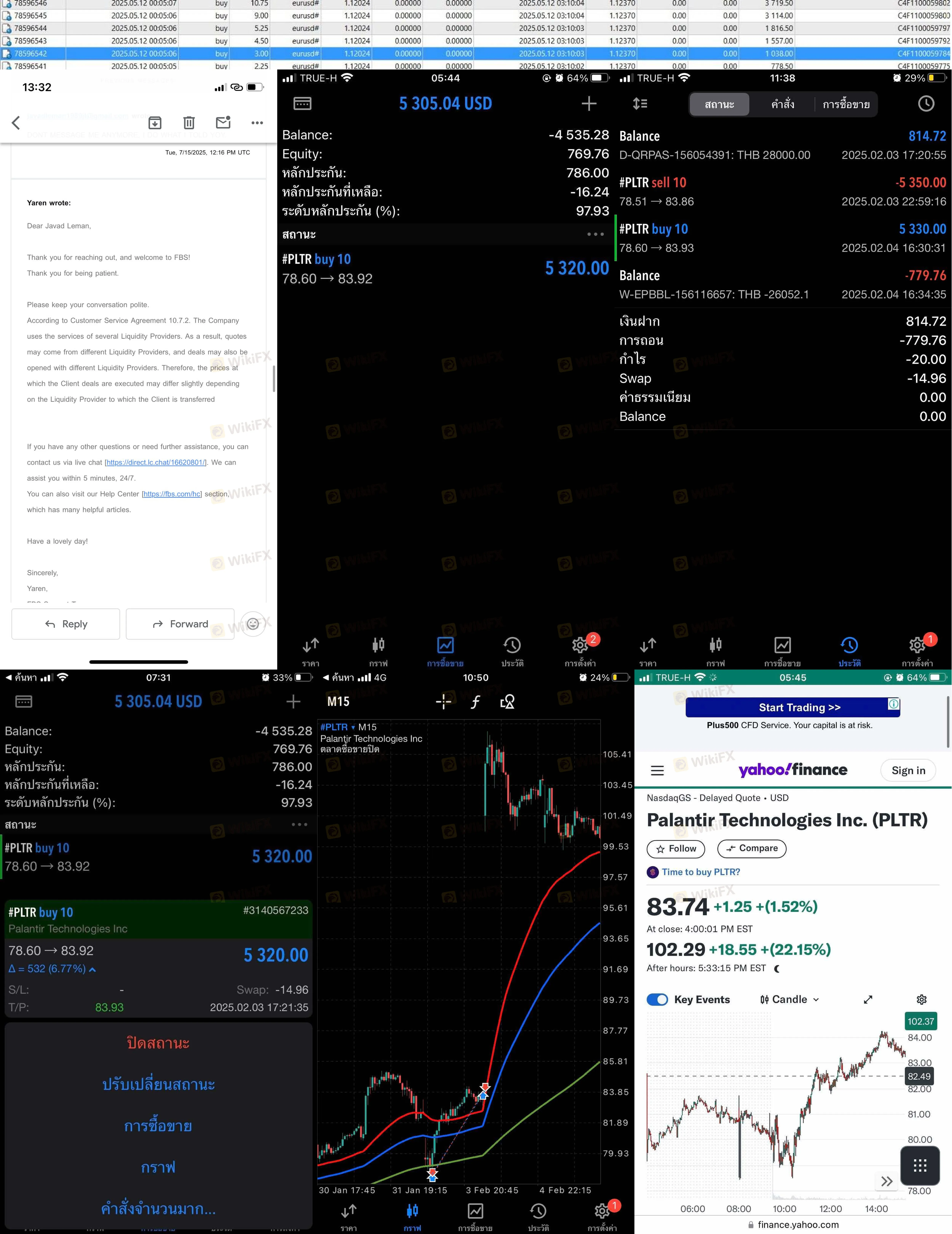
There are also account-access complaints. Some users stated that accounts were blocked, disabled, frozen under AML checks, or restricted after they became profitable. In this context, users have reported difficulties related to account access and the FBS login experience, especially where trading history, account activity, or withdrawals were allegedly affected after restrictions were applied.
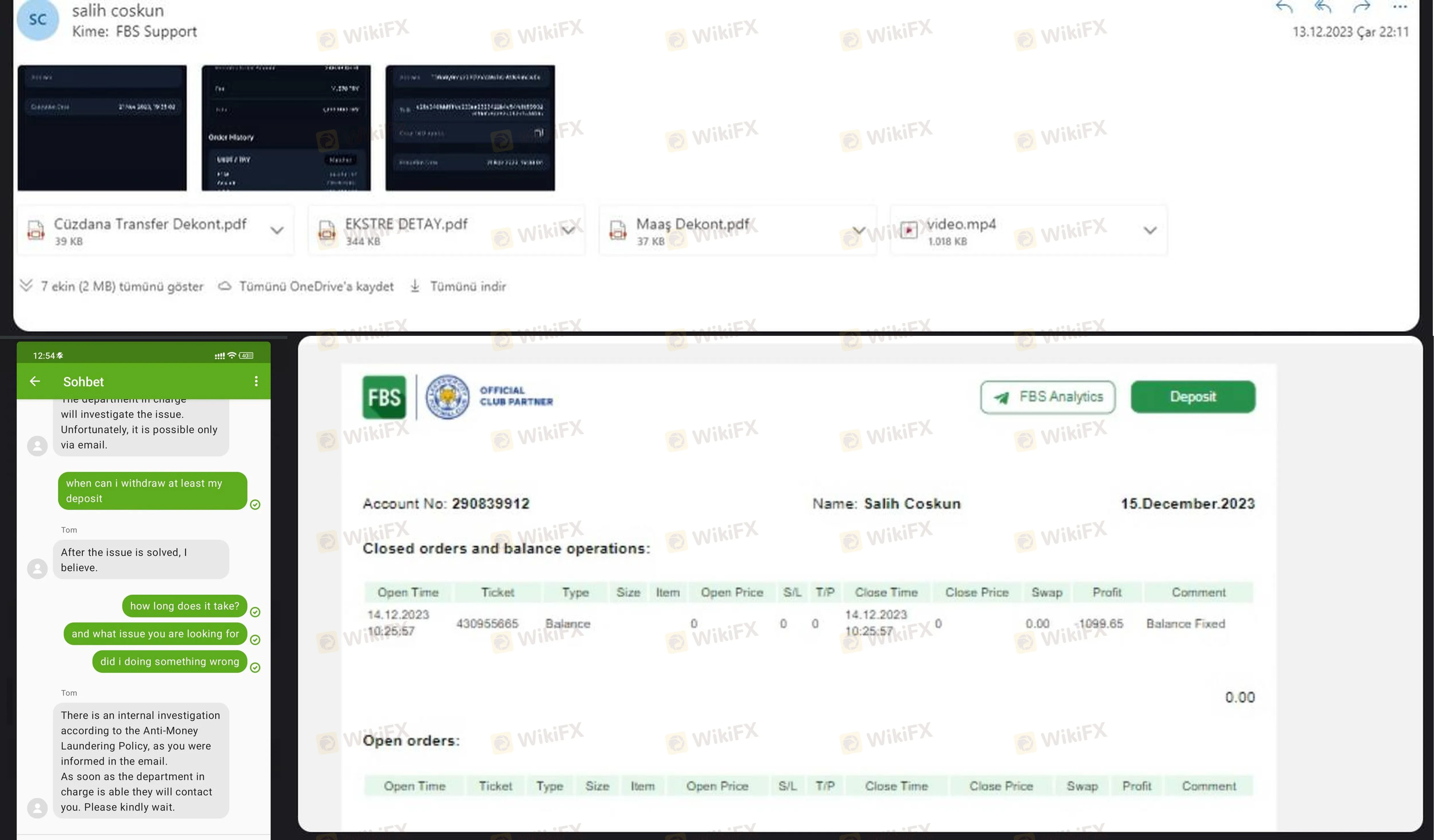
Deposit-related complaints also appear. Some users alleged that deposits were rejected while funds were deducted, or that crypto deposits were not credited. Others described delays linked to AML checks, KYC requests, or requests for additional documents before withdrawals could proceed.
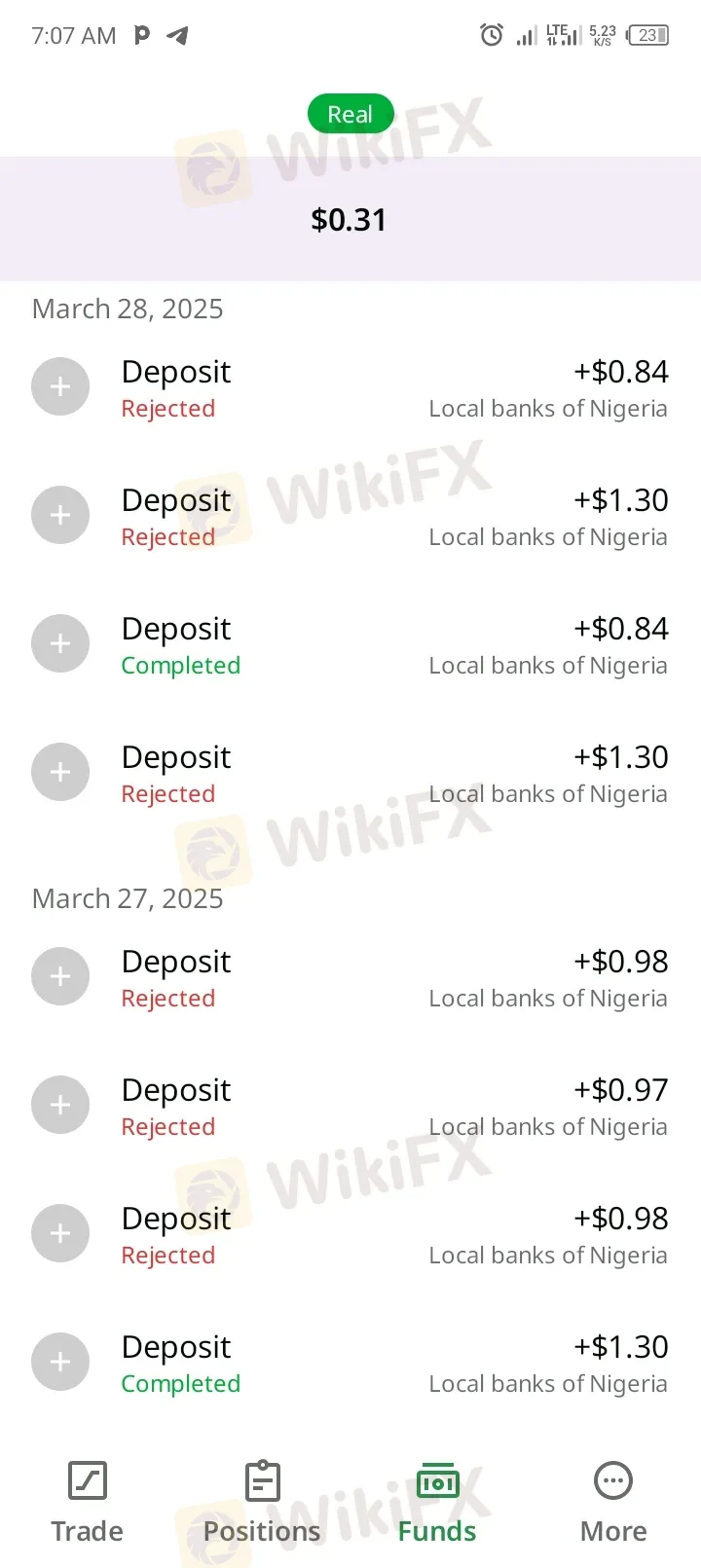
Overall, the cases suggest that the main practical risks reported by users are not about the brokers basic availability of platforms, but about fund access, execution consistency, and dispute handling after profitable trading.
FBS Forex Trading Conditions and Fees
FBS provides two account types in the WikiFX data: Standard and Ultra. Both accounts have an entry condition of 50 units and a listed maximum leverage of 1:30. The broker supports Expert Advisor trading and allows position locking and scalping according to the account data.
Leverage
The maximum leverage shown for both Standard and Ultra accounts is 1:30. This is a moderate leverage level compared with high-leverage offshore offerings and may reduce excessive exposure, though leverage still increases both profit and loss potential.
Spreads
The Standard account lists main spreads from 0.7, while the Ultra account lists main spreads from 0. On paper, these conditions look competitive.
However, user complaints repeatedly mention slippage, widened spreads, stop-loss gaps, and hidden spread concerns. WikiFX trading environment data also gives FBS a SlipGrade of B, with average slippage of 0.7 and maximum slippage of 29.0. This means traders should distinguish advertised spreads from real execution results, especially around volatile market periods.
Trading Environment Test
FBSs trading environment is rated Good, with a total grade of A. The test data includes 8,437 traders, and the cost grade is listed as AA, suggesting strong cost performance in the WikiFX test environment.
At the same time, the detailed metrics are mixed. Offline stability is rated highly, with an offline grade of AAA, while slippage and swap descriptions include weaker results. The fastest speed is recorded at 1.0, but the slowest speed reaches 1992.0, showing that execution quality may vary by condition.
Platforms
FBS supports a proprietary platform, MT4, and MT5, with mobile access on iOS and Android. The platform qualification is marked as main-label MT4/5, and the software rating is described as Perfect.
Traders can access markets through the FBS login on the supported mobile platform environment and through MT4/MT5 where available. The provided platform review says MT5 is highly customizable, supports multiple languages, has good search functionality, and provides clear fee reports.
A notable weakness is security: the software review states that safer login features such as two-step login and biometric authentication are missing. For any trader using FBS, that makes careful credential management especially important.
Final Verdict
FBS is not an unregulated broker in the provided WikiFX data. It holds active regulatory records with CYSEC in Cyprus and ASIC in Australia, has a WikiFX Score of 7.59, supports MT4/MT5, and receives a Good trading environment rating. These are meaningful positives.
The main concern is the scale and consistency of user complaints. The cases provided include repeated allegations of withdrawal failure, delayed payments, rejected deposits, account freezing, profit removal, forced take-profit settings, price discrepancies, and heavy slippage. In addition, the Securities Commission Malaysia disclosure adds a regulatory warning element that should not be ignored.
For cautious traders, FBS may be worth reviewing only after confirming the exact licensed entity, testing withdrawals with small amounts, and carefully monitoring execution quality. The brokers regulatory profile is stronger than many high-risk platforms, but the complaint pattern suggests that operational risk remains significant.
To stay safe and view the latest regulatory certificates, check FBS on the WikiFX App.
Disclaimer:
The views in this article only represent the author's personal views, and do not constitute investment advice on this platform. This platform does not guarantee the accuracy, completeness and timeliness of the information in the article, and will not be liable for any loss caused by the use of or reliance on the information in the article.
WikiFX Broker
Latest News
Exness Review for Indian Traders 2026: The RBI Question Comes Before Leverage and Spreads
WikiFXEMAR MARKETS Review 2026: Severe Withdrawal Complaints and Risk Signals
WikiFXTrader's Way Review: Trades Vanished Overnight , And There's No Regulator to Call
WikiFXLockwood Review: AMF-Blacklisted Broker with Users Reporting Blocked Withdrawals
WikiFXBYBIT Review: What Traders Should Know Before Depositing
WikiFXPocket Broker Review: What Traders Should Know Before Depositing
WikiFXIC Markets Global Review for South Asian Traders: A Global License Isn't the Same as Local Permit
WikiFXTraze Review: What Traders Should Know Before Depositing
WikiFXMatch-Trade Gives AI Direct Access to Broker Trading APIs
WikiFXWhy Sovereign Debt Can Sink a Currency: The Credit Risk Channel
WikiFX