

Global Broker Regulation Inquiry App
About WikiFX
English
简体中文
繁體中文
English
Pусский
日本語
ภาษาไทย
Tiếng Việt
Bahasa Indonesia
Español
हिन्दी
Filippiiniläinen
Français
Deutsch
Português
Türkçe
한국어
العربية
OANDA Review 2026: Is this Forex Broker Legit or a Scam?
Abstract:OANDA is a highly regulated veteran broker established in 2003, holding top-tier licenses from the NFA, FCA, and ASIC. Despite a strong safety foundation, traders must be cautious of rampant clone scams mimicking the brand and ensure they are using the official app.
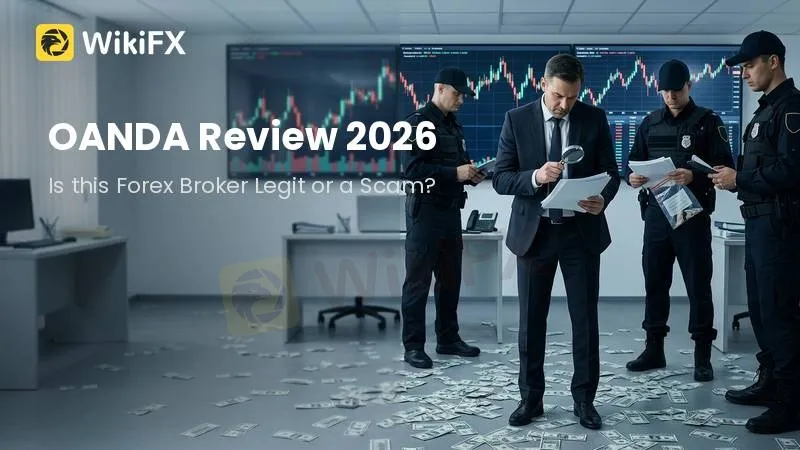
Before you deposit your hard-earned money, here is the TL;DR: OANDA is a highly regulated, veteran broker operating since 2003 with a WikiFX Score of 8.24. However, immense popularity has spawned numerous fake “clone” apps impersonating them, leading to severe withdrawal complaints from unwary traders.
Are you feeling overwhelmed by the sheer number of trading platforms out there? Before you find a broker you can trust, you need to dig past shiny marketing and uncover the truth. In this OANDA review, we will break down exactly how safe your money really is, what to watch out for, and why a solid WikiFX score doesn't mean you can let your guard down. Let's explore everything you need to know about this Forex giant in simple terms.
Question 1: Regulation & Safety: Is my money safe?
When assessing if your capital is protected, we always look at the OANDA regulation status first. The good news? OANDA is a juggernaut in compliance. They hold top-tier enforcement licenses from some of the strictest financial authorities on the planet, including the US NFA (National Futures Association), UK FCA, Australian ASIC, Singaporean MAS, Japanese FSA, and Canadian CIRO. They also hold an offshore license from the British Virgin Islands FSC.
What does this level of top-tier regulation actually mean for you? It guarantees the practice of “Segregated Accounts.” Imagine your money is kept in a specialized vault at a major bank, completely separate from the broker's own operating funds. If the broker ever goes bankrupt, they cannot touch your money to pay off their own debts.
However, “regulated” does not mean “flawless.” The data shows a regulatory disclosure from 2021: the US NFA fined OANDA $200,000 for failing to submit accurate daily foreign exchange reports and lacking proper supervision. While they paid the fine and corrected the issue, it is a reminder that even heavily licensed brokers require continuous real-time monitoring.
Question 3: What are real traders complaining about?
Despite the strong overall business, the WikiFX database highlights over 103 complaints in the past 3 months alone. Let's look at the real stories from traders in Indonesia, South Korea, Vietnam, Japan, and Taiwan:
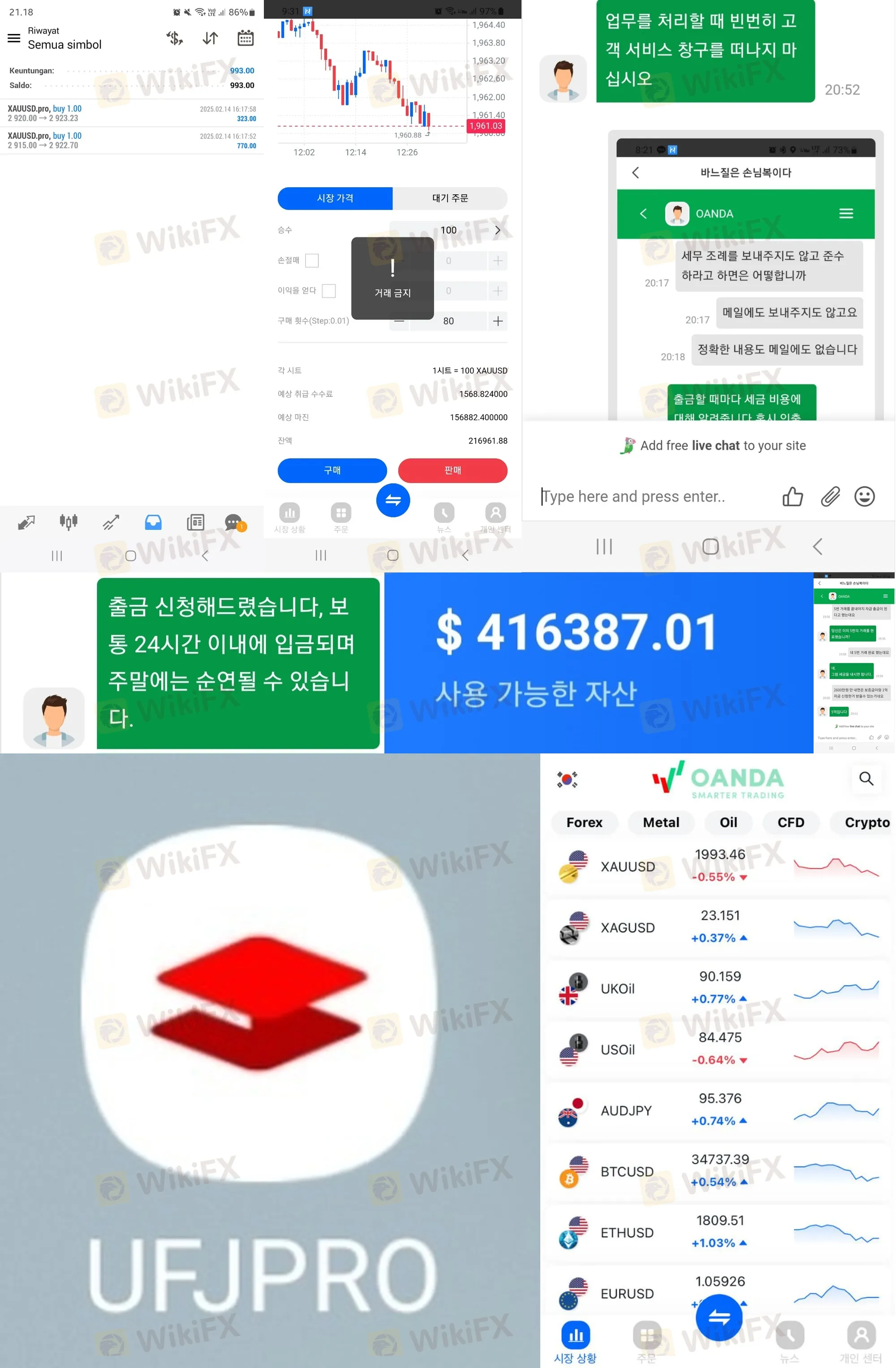
- The Clone Scam Trap: A staggering number of complaints revolve around fake platforms. Victims report being lured into VIP Zalo or Telegram chat groups by “teachers” and instructed to trade on websites like `oanda19.com`, `oanda-vip.com`, `app.oandaforgroup.com`, or `options-usd.com`—none of which are the real OANDA platform.
- Hostage Funds & VIP Upgrades: On these fake platforms, traders who try to withdraw their profits are suddenly told they must pay massive fees. One victim mentioned having a $9,000 balance but being forced to pay $1,800 for a “3-month VIP upgrade” just to request a withdrawal. Another trader was told to pay a 25% “margin fee” to release emergency funds.
- Slippage Suspicions: A user from Japan trading on the legitimate OANDA platform reported severe slippage, where their AUD/JPY short position was stopped out at 97.967, far higher than the average market peak of 97.55 that day.
Pro Tip: Real, regulated brokers will never ask you to pay an upfront “tax,” “VIP upgrade,” or “margin fee” out of your pocket to process a withdrawal. If you are asked to pay money to get your own money, you are dealing with a scam.
Question 4: What software will I use?
OANDA offers traders multiple avenues to access the markets, including the industry-standard MT4 and MT5 platforms, alongside their own proprietary mobile and web applications. The software supports Windows, iOS, and Android (though MacOS users will need to use the web version or workarounds, as a native app is absent).
While MT5 provides deep charting tools and clear fee reporting, assessing the native app's security reveals a slight drawback: it notably lacks biometric authentication and two-step verification. Given the rise of cyber threats, this makes protecting your credentials even more crucial.
Always ensure you are on the official site before entering your login details to avoid phishing scams. Scammers frequently build duplicate websites that look identical to the real broker just to steal your login credentials or push you to deposit into unauthorized bank accounts. Double-check the URL every single time!
Final Verdict: Should I open an account?
OANDA is undeniably a legitimate, long-established industry leader backing up its trades with strict oversight from the world's best regulators like the FCA, NFA, and ASIC. For the vigilant trader who ensures they are downloading the official app directly from verified sources, OANDA provides a highly secure environment. However, their immense brand recognition has made them a prime target for elaborate clone scammers on social media.
Status changes daily. Before depositing, check the WikiFX App for the latest real-time certificate and official web links to ensure you never fall into a duplicate website trap.

Disclaimer:
The views in this article only represent the author's personal views, and do not constitute investment advice on this platform. This platform does not guarantee the accuracy, completeness and timeliness of the information in the article, and will not be liable for any loss caused by the use of or reliance on the information in the article.
WikiFX Broker
Latest News
Land Prime Regulatory Status: A Complete Guide to Its Licenses and Company Structure
 WikiFX
Before Hitting Buy: Five Core Lessons for New Forex Traders
WikiFXCHINA FUTURES Login: Secure CFFEX Access & Safety Guide
WikiFXClose Up With WikiFX - A Closer Look at InterStellar Group
WikiFXVault Markets Regulation: Is It Safe or a High-Risk Broker?
WikiFXWINGO MARKETS Review 2026: Is this Forex Broker Legit or a Scam?
WikiFXVenturyFX Review 2025: Is This Forex Broker Safe?
WikiFXComprehensive TradeEU Global Review: A Devastating Trap for Retail Traders
WikiFXAsos demands £7m in tariff refunds from US as firms rush to make claims
WikiFXDbinvesting Deposit and Withdrawal: A Trader's Guide to the Serious Risks
WikiFXCurrency Calculator
USD

CNY
Current Rate:0
Enter amount
USD
Redeemable Amount
CNY
Calculate 