

Global Broker Regulation Inquiry App
About WikiFX
English
简体中文
繁體中文
English
Pусский
日本語
ภาษาไทย
Tiếng Việt
Bahasa Indonesia
Español
हिन्दी
Filippiiniläinen
Français
Deutsch
Português
Türkçe
한국어
العربية
اردو


Oil Market Analysis: Is the 'Energy Crisis' Narrative Overblown?

WikiFX
|


Abstract:Despite Brent crude breaking $85 and fears of a Strait of Hormuz blockade, energy analysts suggest current fundamentals differ significantly from the 2022 crisis, though refined product shortages remain a critical risk.
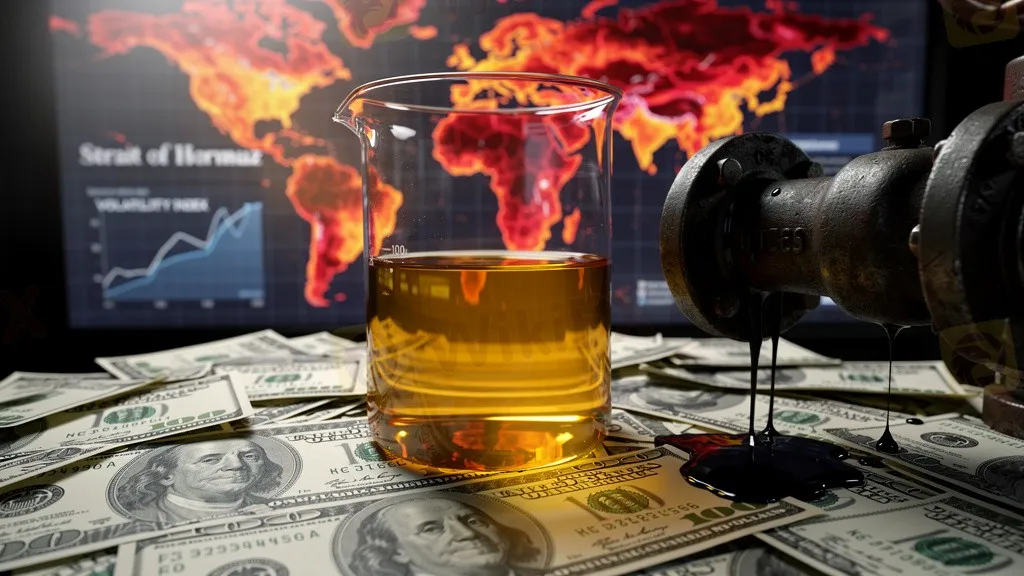
As the Strait of Hormuz faces a de facto blockade amid the US-Iran conflict, global markets are bracing for an energy shock. However, despite the geopolitical ferocity, top energy analysts argue that the economic fallout may not mirror the inflationary catastrophe of 2022—at least not yet.
Bloomberg commodities columnist Javier Blas suggests that while the situation is dire, the “energy crisis” label is currently being over-applied.
Fundamentals vs. Fear
The market data presents a divergent picture from the headlines:
- Price Levels: While Brent crude has pushed past $85, it remains well below the $130 spikes seen following the invasion of Ukraine.
- Natural Gas: European gas prices have risen to approximately €50/MWh. While this is a doubling from recent lows, it stands in stark contrast to the €350/MWh records set in 2022.
- Power & Coal: Unlike previous systemic crises, coal and electricity markets (particularly in North America) remain relatively insulated.
Blas notes that the starting point for this conflict was favorable, with global markets facing a supply surplus and brimming inventories in Europe.
The Real Risk: Refined Products
The immediate danger lies not in crude oil supply, but in refined products. Diesel and jet fuel prices are rising significantly faster than crude oil, indicating distinct bottlenecks in refining capacity. If the conflict sustains, this disconnect could pressure the industrial and aviation sectors long before headline crude prices reach triple digits.
The Nightmare Scenario
While the base case remains cautiously optimistic, a “nightmare scenario” cannot be ruled out. If the Strait of Hormuz remains closed for a quarter, cutting 20 million barrels per day from the global market, and if Iran retaliates by destroying Saudi or Emirati infrastructure, oil prices would likely surge well beyond $100, shattering the current market composure.
Disclaimer:
The views in this article only represent the author's personal views, and do not constitute investment advice on this platform. This platform does not guarantee the accuracy, completeness and timeliness of the information in the article, and will not be liable for any loss caused by the use of or reliance on the information in the article.
WikiFX Broker
Latest News
Dollar and Asian FX Steady Before US CPI
WikiFXVestrado Review: A 4.84 Score, an Offshore Base and an FSCA Status Worth Verifying
WikiFXKCB Review: Is Your Deposit Safe?
WikiFXTraze Review: What Traders Should Know Before Depositing
WikiFXExness Review for Indian Traders 2026: The RBI Question Comes Before Leverage and Spreads
WikiFXJust Markets Review: 1.82 Score and No Regulation Despite Positive Reviews
WikiFXOcta Review 2026: Severe Withdrawal Complaints and High Risk Signals
WikiFXReview 2026: RoboMarkets Regulation, Platform Access, and Trader Feedback
WikiFXWhy Importers Panic When Dollars Dry Up, and Why You Should Care
WikiFXCrypto Revenue Falls in Q2 as Another Platform Moves Into CFDs
WikiFX