Abstract:China’s Supreme People’s Court disclosed a major cross-border investment scam in which fraudsters used fake gold trading and fabricated profits to deceive victims, resulting in losses exceeding 280 million yuan. The case highlights the growing sophistication of online investment fraud and reinforces the need for investor vigilance and proper due diligence.
On February 26, China‘s Supreme People’s Court held a press conference to announce a series of representative cases highlighting the judiciarys ongoing efforts to combat telecommunications and online fraud. Among the cases disclosed was a major cross-border scam involving 14 defendants led by an individual surnamed Yu. The case revolved around a scheme that combined stock recommendation tactics with fraudulent investment operations, ultimately causing enormous financial losses to victims.

According to information presented at the briefing, the criminal group targeted mainland Chinese residents by promoting what appeared to be legitimate investment opportunities. Gold trading, particularly so-called “high-return” investments, was used as the central lure. Exploiting investors natural desire for profit, members of the syndicate carefully constructed a façade of credibility. They posed as experienced investors, created the image of celebrity mentors, and fabricated records of successful trades to convince victims that substantial gains were within easy reach.
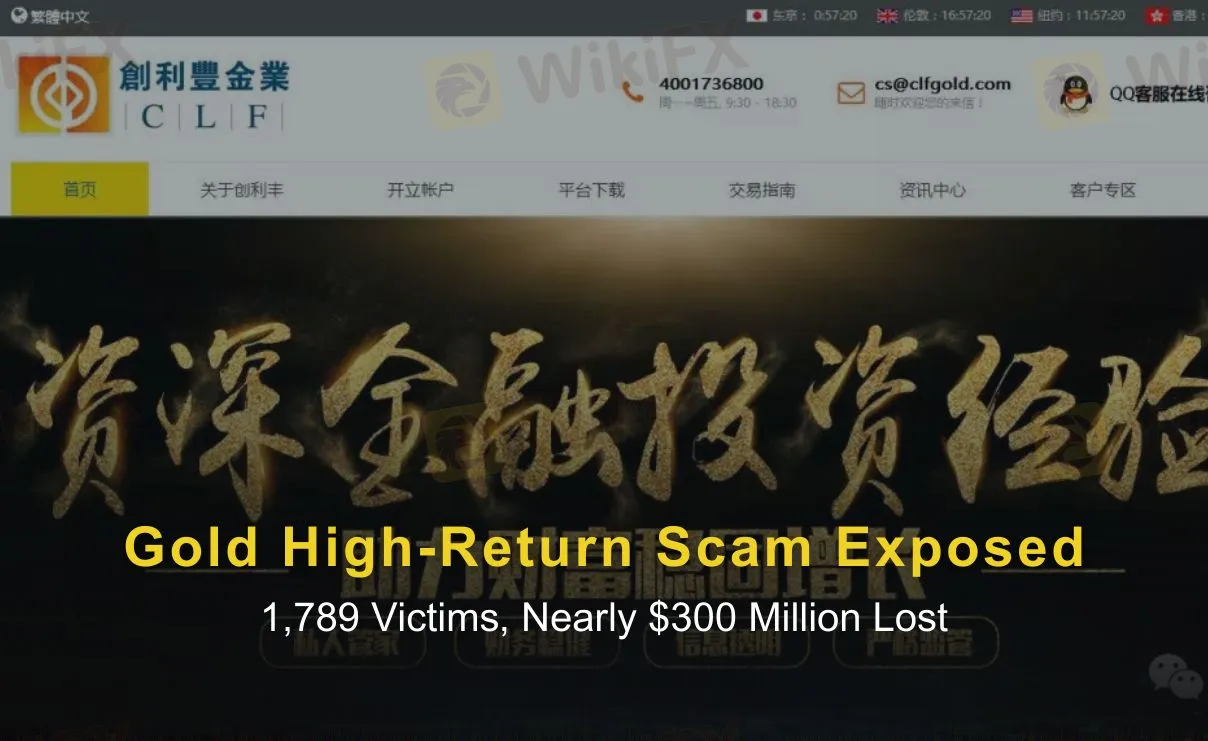
Investigators revealed that Yu and his associates operated through a platform known as “Chuanglifeng Gold Industry,” which falsely claimed to offer access to gold trading services, including “London gold” transactions. The group established its operational base overseas, where dedicated scam centres were set up to coordinate activities. Working in a structured and coordinated manner, syndicate members added large numbers of potential victims through social networking platforms. After initial contact, victims were gradually guided into private chat groups and livestream sessions designed to reinforce the illusion of professional investment guidance.
Within these groups, fraudsters shared manipulated screenshots of profits and repeatedly promoted narratives suggesting that following the advice of designated “teachers” or “analysts” would generate reliable returns. Victims were persuaded to deposit funds into the platform, believing they were participating in genuine gold trades. In reality, no legitimate trading took place. Funds transferred by victims were channelled through third-party payment systems and moved across multiple accounts before being consolidated into accounts controlled by the fraudulent platform. The proceeds were then distributed among members of the operation according to pre-arranged profit-sharing agreements.
Authorities stated that over a period of approximately one year, the scheme resulted in losses affecting 1,789 victims, with total damages exceeding 280 million yuan. The scale of the case underscores the growing sophistication of modern investment scams, particularly those leveraging digital platforms and cross-border structures to obscure the movement of funds and evade detection.
For observers in Malaysia and across the region, the case reflects patterns that are increasingly familiar. Fraud schemes frequently rely on social media outreach, carefully scripted communication, and the promise of unusually high returns to attract investors. The use of professional-looking platforms and fabricated profit data continues to blur the line between legitimate investment services and criminal operations, making vigilance more important than ever.
Financial regulators and enforcement agencies consistently remind investors that genuine trading platforms do not guarantee profits, nor do they rely on informal messaging channels to solicit deposits. As digital finance becomes more accessible, the responsibility for verification and due diligence remains firmly with individual investors. Cases such as this serve as a stark reminder that the appearance of legitimacy can be meticulously engineered, while the financial consequences for victims can be devastating and irreversible.