Abstract:Global markets are on alert for potential supply-side shocks in energy markets as tensions between Israel and Iran escalate significantly. Israeli officials have signaled a lower threshold for preemptive military action, shifting their "red line" from nuclear development to the reconstitution of Iran’s conventional ballistic missile arsenal.
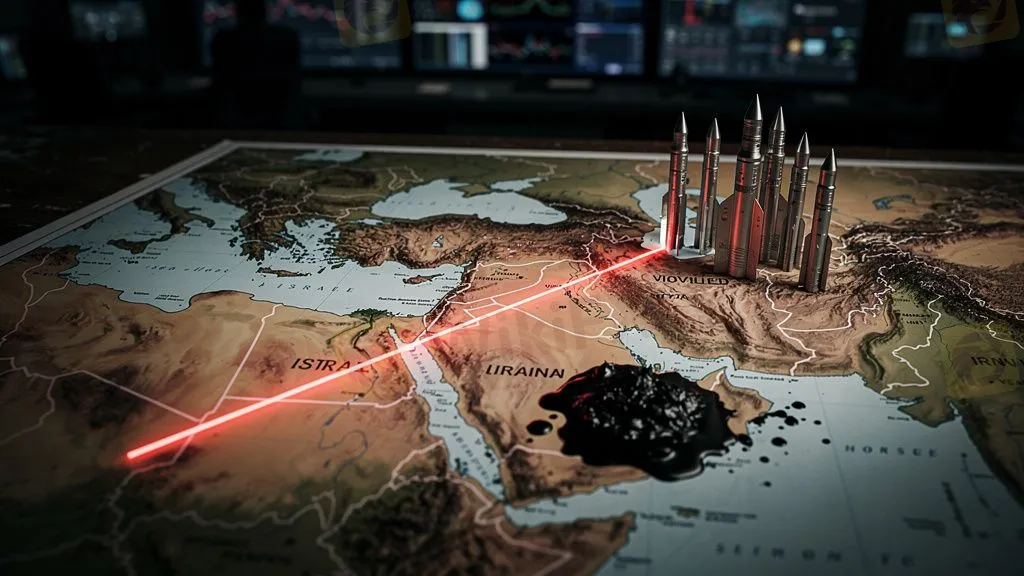
Global markets are on alert for potential supply-side shocks in energy markets as tensions between Israel and Iran escalate significantly. Israeli officials have signaled a lower threshold for preemptive military action, shifting their “red line” from nuclear development to the reconstitution of Irans conventional ballistic missile arsenal.
Following a 12-day active conflict just six months ago, Israeli intelligence suggests Tehran is aggressively rebuilding its missile stockpiles. Prime Minister Benjamin Netanyahu, speaking at an air force graduation, warned that Israel is monitoring “re-armament efforts” by Iran and its proxies, explicitly stating readiness to strike new threats before they mature.
Implications for Oil and Safe Havens
The shift in strategy introduces a high probability of renewed kinetic conflict within the next 12 months.
- Crude Oil (WTI/Brent): The risk premium is creeping back into oil prices. Unlike previous skirmishes, a targeted Israeli strike on Iranian manufacturing infrastructure could invite retaliation against regional energy transit routes (Strait of Hormuz), threatening global supply.
- Safe Havens (XAU/CHF): Gold remains well-supported as geopolitical uncertainty compounds with central bank buying.
The US Variable
The timing is critical as Netanyahu prepares to meet with the incoming Trump administration. While President-elect Trump previously claimed to have “destroyed” Iran's nuclear leverage, his stance on a conventional missile war remains ambiguous.
Historically, Israel requires US tactical support—or at least tacit approval—for sustained operations against Iran due to the need for missile defense replenishment. If Washington signals hesitation to support a new front, it could either dampen hostilities or force Israel into a rapid, high-intensity unilateral strike.
Danny Citrinowicz, of the Institute for National Security Studies, warns: “We are forcing ourselves into a red line that will inevitably lead to the use of force again.”