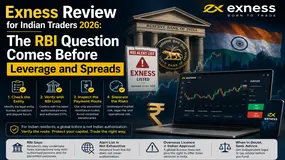
Abstract:Starting out in forex trading can be exciting, but many beginners quickly lose money by making the costly mistakes. The good news is these errors are easy to avoid once you know what to watch for. Let’s look at the top seven forex trading mistakes and how skipping them can save new traders thousands of dollars.
Starting out in forex trading can be exciting, but many beginners quickly lose money by making the costly mistakes. The good news is these errors are easy to avoid once you know what to watch for. Lets look at the top seven forex trading mistakes and how skipping them can save new traders thousands of dollars.
1. Not Learning the Basics First
It‘s easy to feel eager and want to jump right in, but forex trading is not just luck. Learning how currency pairs work, what moves markets, and understanding basic concepts are essential. Without a good foundation, you’re more likely to make quick, risky decisions and those can get expensive. Always take time to study and practice before using real money.
2. Trading Without Plan
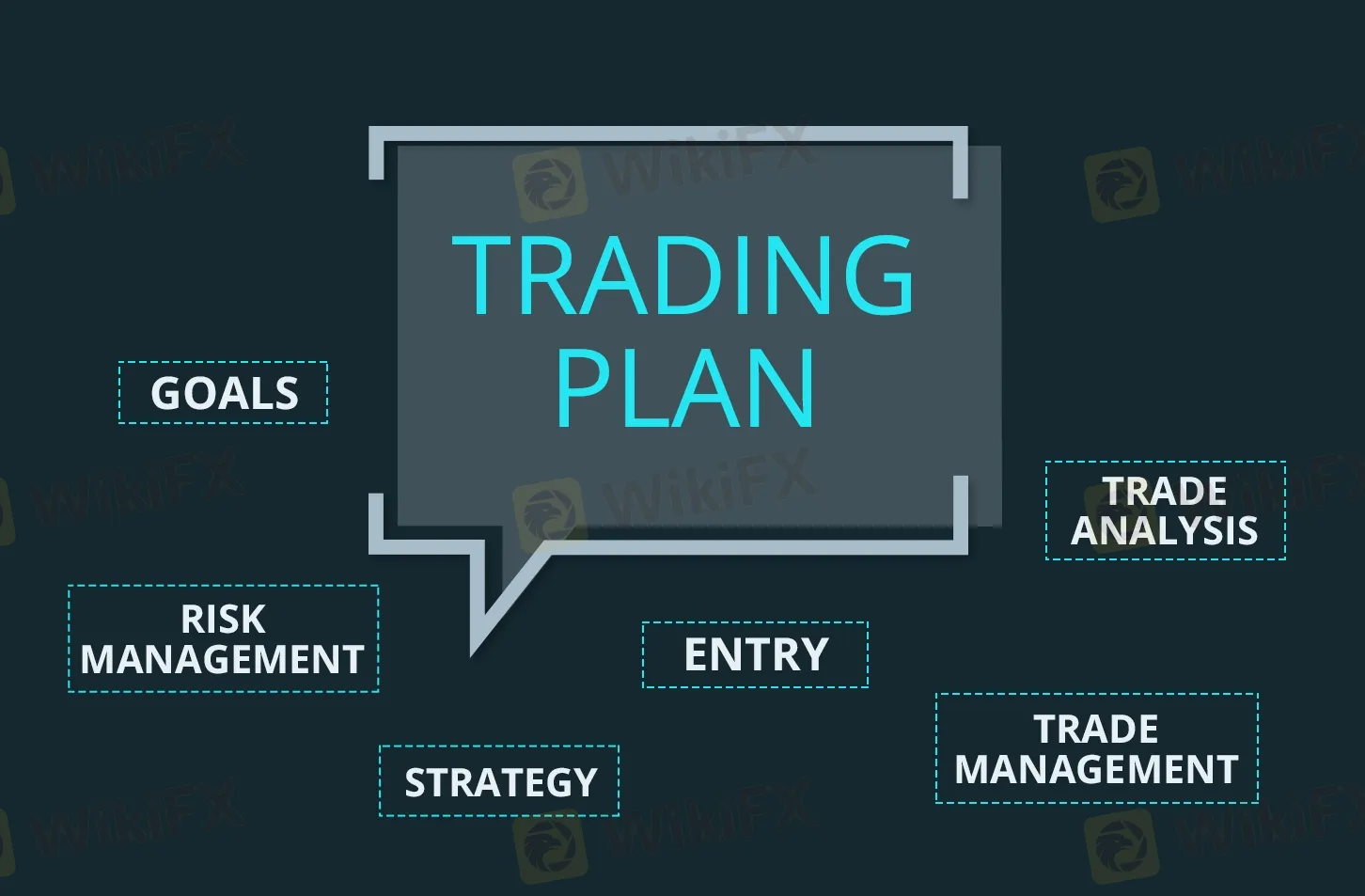
Imagine driving without a map. Thats what trading without a plan is like. A trading plan guides when to enter and exit a trade, how much to risk, and what goals to aim for. It gives structure while also protecting your money. Sticking to a plan can keep emotion out and encourage smart choices, even on tough days.
3. Relying on Emotions, Not Strategy
The markets can make anyone feel excited or nervous, but trading on feelings rarely works out. If fear or greed drive your decisions, mistakes follow. Try to stay calm. Always rely on your plan and avoid letting strong emotions control your actions. Discipline is one of the most powerful tools in successful trading.
4. Overtrading
Many beginners think more trades will bring more profit. Instead, overtrading leads to high fees and bigger risks. Focus on making a few well-thought-out trades, not dozens of random ones. Quality is much more important than quantity in forex.
5. Using Too Much Leverage
Leverage lets traders control big positions with smaller amounts of money, but its very risky. While it can boost profits, it can just as quickly multiply your losses. Start with low leverage so you only risk what you can afford to lose. Many new traders lose their entire accounts just by using too much leverage.
6. Ignoring Stop-Loss Orders
Stop-loss orders limit how much you can lose on a trade. Neglecting to use them means one bad move can wipe out large chunks of your account. Always set a stop-loss before placing a trade. Its a simple step that can protect your money over and over again.
7. Jumping Into the Market Before News Events
Big news can make forex prices jump wildly. Some new traders enter just before this, hoping for fast profits, but sudden moves are unpredictable. Often, the market doesnt behave as expected, leading to losses. Wait for the news to come out and the dust to settle before making trades.
 Contents
 Forex Trading for Beginners: How to Begin Successfully
1. Learn the Basics
Start by understanding how forex works. Learn about currency pairs, pips, spreads, and trading hours. Use free online courses or videos to build your knowledge.
2. Choose a Reliable Broker
Pick a broker regulated by a trusted authority. Check reviews and ensure they offer a user-friendly platform and good customer support.
3. Practice with Demo Account
Before risking real money, practice trading on a demo account. This helps you learn how to use the trading platform and test strategies without risk.
4. Create Simple Trading Plan
Decide when to enter and exit trades, how much money to risk, and what your goals are. Having a plan helps you trade with discipline and avoid emotional decisions.

5. Start Small
Begin with a small investment you can afford to lose. This lowers your risk while you gain experience.
6. Use Stop-Loss Orders
Always set stop-loss orders to protect your money from big losses.
7. Keep Learning
The forex market changes constantly. Keep studying, reviewing your trades, and improving your skills.
Join WikiFX Community
Stay alert and informed with WikiFX- your one-stop destination for everything related to the Forex market. Whether you're looking for the latest market updates, scam alerts, or reliable information about brokers. Join the WikiFX Community today by scanning the QR code at the bottom and stay one step ahead in the world of Forex trading.
Steps to Join
Scan the QR code below
Download the WikiFX Pro app
After installing, tap the Scan icon at the top right corner
Scan the code again to complete the process
You have joined!