


India Q1 FY27 GDP Growth Hits 7.8%: 3 Scenarios for INR and Gold
India's Q1 FY27 GDP grew 7.8%, beating a 7.4% poll and RBI's 7.0% projection. See three conditional scenarios for INR, rates and gold.
Original

简体中文
繁體中文
English
Pусский
日本語
ภาษาไทย
Tiếng Việt
Bahasa Indonesia
Español
हिन्दी
Filippiiniläinen
Français
Deutsch
Português
Türkçe
한국어
العربية
اردو




Abstract:Learn what forex currency trading is - the world's largest market, explained simply. Discover how to trade currency pairs, manage risks, and get started today.
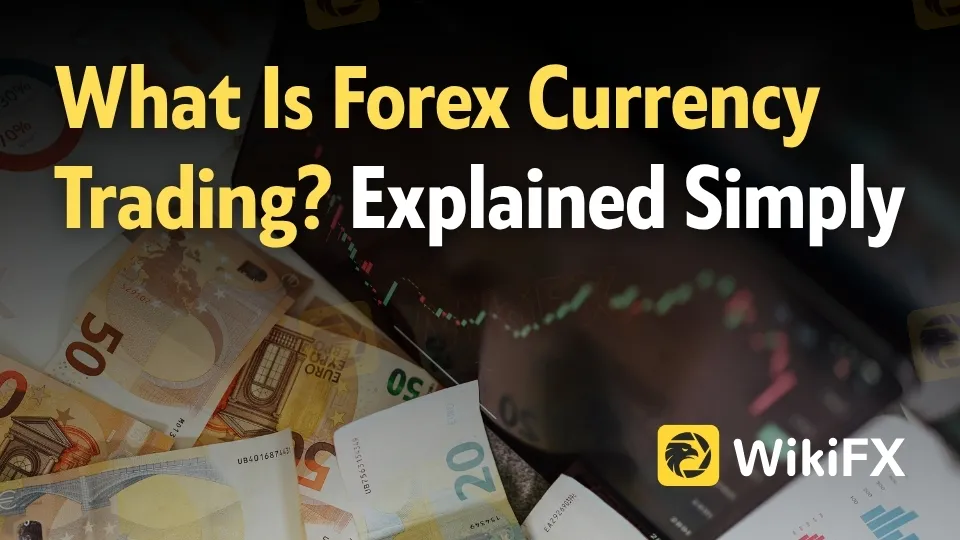
Ever wondered what forex currency trading really means? It's basically the bustling world of swapping one country's money for another's, and it's hands-down one of the biggest, most fast-paced markets out there.
Forget the usual stock exchanges that stick to specific places or sectors—forex is all about global currencies zipping around. With trillions changing hands daily, it's packed with thrills and hurdles for rookies and pros alike. If you're itching to dive in and figure out the basics, stick around. We'll unpack it all in a way that's easy to grasp, so you can hit the ground running.
 Contents
At its core, forex trading is like a currency swap meet: you snag one type of money while ditching another, all in hopes of turning a profit from price swings. This happens through a massive web of banks, brokers, big financial players, and everyday folks trading nonstop. The trick? Spot those ups and downs in currency values, driven by stuff like interest rates, rising costs, political vibes, or world news. Traders pore over these clues to guess where things are headed and jump in accordingly.
Picture this: You reckon the US dollar's about to climb against the euro. So, you buy bucks and sell euros. If you're right and the dollar beefs up, swapping back nets you a nice gain. But if it flops? Ouch, that could sting with a loss.
Forex doesn't deal in solo currencies—they come in duos, like EUR/USD (that's euro versus US dollar), GBP/JPY (pound against yen), or USD/JPY (dollar and yen showdown). These pairs show exactly how much of the second currency is worth of the first. We call the lead one the “base” and the follower the “quote.” Getting comfy with these is crucial because they set the trading prices and let you cash in on shifts between the two.
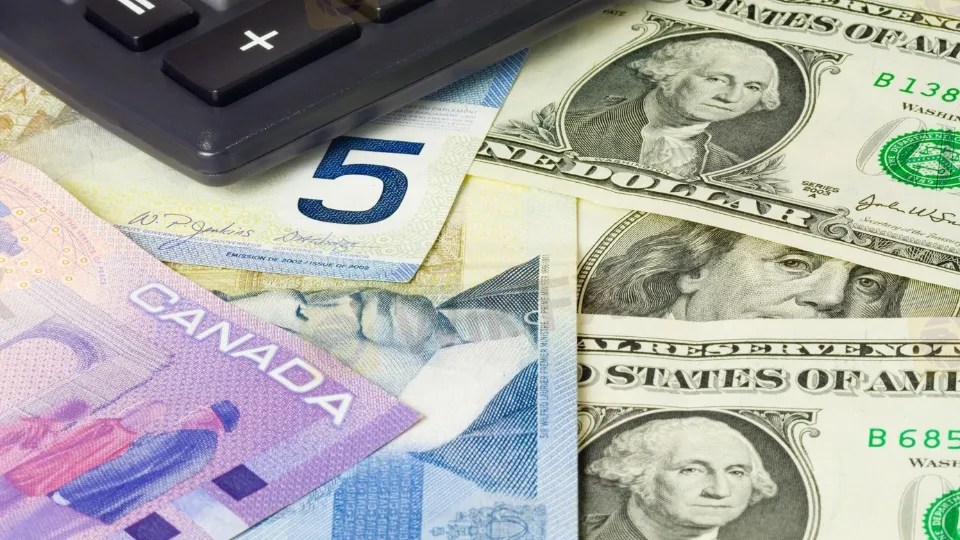
What makes forex stand out? It's always on, running 24/7, five days straight. No rigid open-and-close like stocks—it's a global relay race across time zones, with hotspots in London, New York, and Tokyo keeping the energy high. That means you can pounce on breaking news, wild market twists, or fresh economic stats anytime.
This setup is a game-changer for flexibility. Night person? Early bird? No problem—you can sync up with sessions that suit your style and ride the waves as they come.
Sure, forex can dish out big wins, but it's no walk in the park—volatility means prices can flip-flop in a flash. Leverage lets you amp up your bets, boosting potential payouts, but it can also magnify wipeouts if things go south.
If you're just starting, nail down risk smarts first. Think tools like stop-losses to cap damage, betting only what you can afford to lose per trade, and spreading your plays. The real secret? Soak up knowledge and log practice hours to tilt the odds in your favor.
Ready to give it a whirl? Kick off by picking a trustworthy broker—they're your gateway with all the gadgets and platforms for trading. Do your homework: Go for ones with solid reps, fair costs, and top-notch security. Bonus? Most let you test-drive with fake cash on demo accounts, so you can mess around without real stakes.
After signing up, dive into market sleuthing. Lots of folks swear by technical tricks—eyeing charts, spotting trends, and patterns—or fundamental digs into econ reports, headlines, and global drama. Mix 'em up, and you'll be making sharper calls on when to buy or bail.
All in all, forex currency trading is a vibrant arena brimming with chances to score big. The upsides are tempting, but tread lightly—those risks are real. Master the mechanics, get friendly with pairs, and build solid risk habits, and you'll be set for smarter moves. Whether it's a side gig or your main hustle, arm yourself with smarts and a plan, and it could pay off nicely. Remember, the best traders build skills through trial, learning, and time in the trenches.
Download and install the WikiFX app for the latest news and updates. Scan the QR code below now!
Here's to smart trades!

Disclaimer:
The views in this article only represent the author's personal views, and do not constitute investment advice on this platform. This platform does not guarantee the accuracy, completeness and timeliness of the information in the article, and will not be liable for any loss caused by the use of or reliance on the information in the article.
India's Q1 FY27 GDP grew 7.8%, beating a 7.4% poll and RBI's 7.0% projection. See three conditional scenarios for INR, rates and gold.
Choosing a forex liquidity provider is not a search for the lowest displayed spread or the longest provider list. It is a broker decision about pricing integrity, depth, routing, credit, reporting, incident response, and client communication. This 2026 guide explains how a forex LP, FX liquidity provider, or liquidity provider forex arrangement fits into a broker’s execution chain; what to test before onboarding; why a “best forex liquidity provider” claim cannot replace due diligence; and how to compare cost beyond commission. Use the execution-quality scorecard, provider questions, routing scenarios, and 90-day onboarding plan to assess whether a liquidity relationship can support your actual client mix, instruments, risk model, and jurisdiction. The goal is not to make a universal ranking. It is to build evidence that your broker can explain, supervise, reconcile, and recover its execution service when market conditions are difficult.
The visible fee in an MT4 white label proposal is rarely the real cost of operating it. For an existing broker, the decision is not simply whether an MT4 white label platform is “cheap” or “expensive.” The real question is whether the commercial model remains viable after integration, support, data, client migration, compliance, and exit costs are included. That is why an MT4 white label cost review should be built as a 24- to 36-month operating case. It should compare three credible choices: 1. Keep the present MT4 setup and improve its weakest controls. 2. Replace the MT4 white label provider but retain the client proposition. 3. Migrate selected clients or products to another platform while running MT4 in parallel. This guide explains how to build that case without relying on headline prices or generic vendor claims.
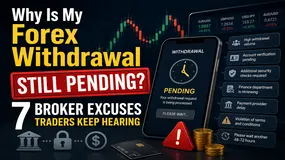
Withdrawal delays are precisely the complaint we keep receiving on WikIFX, a veteran in the forex regulation inquiry space. While some users receive withdrawal access initially and find rejections on their applications later, some fail to receive a single approval. Some delays usually result from genuine compliance requirements that brokers need to adhere to. However, in many cases, traders have accused the broker of repeated excuses as part of its alleged strategy to deny a seamless fund release. A pending withdrawal cannot be an outright indicator of fraudulent activity. Financial institutions, including forex brokerage entities, need to abide by the anti-money laundering (AML) and Know Your Customer (KYC) regulations. However, as the monitoring process stretches beyond weeks or months, traders become frustrated and raise questions over the broker’s reliability.
WikiFXWikiFXWikiFXWikiFXWikiFXWikiFXWikiFXWikiFXWikiFXWikiFX