Abstract:Recent complaints logged by users of WikiFX, a global broker regulatory query platform, have brought IFC Markets into the spotlight for all the wrong reasons. Multiple traders have reported serious difficulties withdrawing their funds, raising red flags about the broker’s trustworthiness and operational integrity.
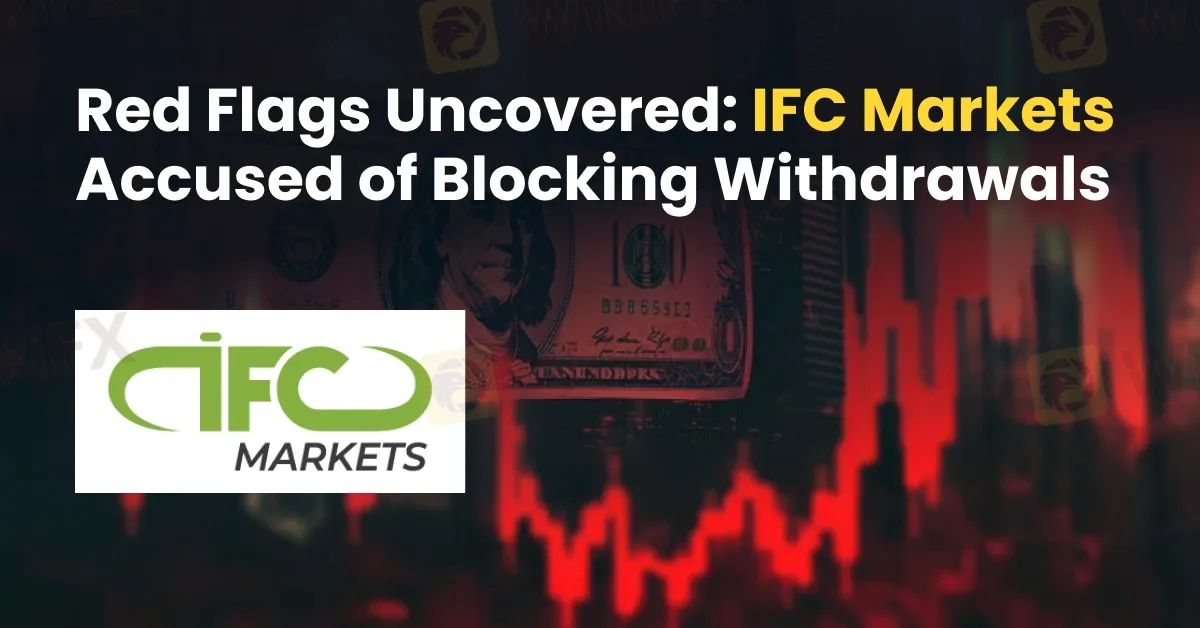
As a growing number of retail traders turn to online platforms for investment opportunities, vigilance has become a necessity. Recent complaints logged by users of WikiFX, a global broker regulatory query platform, have brought IFC Markets into the spotlight for all the wrong reasons. Multiple traders have reported serious difficulties withdrawing their funds, raising red flags about the brokers trustworthiness and operational integrity.
IFC Markets, which presents itself as a multi-jurisdictionally regulated brokerage, has received a moderate score of 5.84 out of 10 from WikiFXs specialised research team. This rating alone should prompt caution among potential clients. However, the complaints surrounding withdrawal blockages add a heightened sense of urgency and demand further scrutiny.

According to information disclosed by IFC Markets, the firm claims to be regulated by a combination of financial authorities, including the Labuan Financial Services Authority in Malaysia, the British Virgin Islands Financial Services Commission (BVI FSC), the Cyprus Securities and Exchange Commission (CySEC), and South Africa‘s Financial Sector Conduct Authority (FSCA). On the surface, such regulatory backing may appear reassuring to the average trader. However, WikiFX’s own investigative analysis reveals a far more troubling reality beneath these claims.


Firstly, the firms association with the Cyprus Securities and Exchange Commission is no longer valid. The CySEC licence held by IFC Markets (Licence No. 147/11) has officially been revoked, and its regulatory status is listed as abnormal. This effectively means that the broker is no longer legally authorised by CySEC to offer financial services, despite continued claims to the contrary on its platforms. This alone should be viewed as a major red flag by current and prospective clients.
In the case of South Africas FSCA, while IFC Markets lists an active licence (Licence No. 51818), WikiFX has identified that the broker is exceeding the permitted business scope defined by this regulatory authority. When a broker operates beyond the bounds of what is legally authorised, it not only violates regulatory terms but also puts its clients at greater risk of unprotected or unenforceable transactions.
Similarly, the firm appears to be engaging in activities beyond its licensed scope under its CySEC credentials. Even though the licence once allowed IFC Markets to function as a Cyprus investment corporation, the UNFX Non-Forex Licence classification indicates that the broker is currently operating in a capacity for which it no longer holds valid permissions. This is yet another indicator of potential misconduct and regulatory disregard.
Lastly, the regulatory oversight provided by the British Virgin Islands Financial Services Commission (under Licence No. SIBA/L/14/1073) does little to allay concerns. Offshore regulations such as those from the BVI FSC are generally regarded as weak and lacking in enforcement capabilities, offering limited investor protections. Operating under such jurisdictions can be risky for retail traders, especially when combined with other questionable practices.
While a moderate WikiFX rating may not signify malpractice, the combination of trader complaints, withdrawal issues, and regulatory irregularities forms a concerning pattern. The inability or unwillingness of a broker to facilitate client withdrawals is one of the most serious breaches of trust in the trading industry. Such behaviour often precedes broader financial instability or legal consequences.


Investors are strongly advised to exercise extreme caution when dealing with brokers that exhibit these types of warning signs. Regulatory credentials should always be independently verified, and any hint of obstruction, particularly when it comes to fund access, should not be overlooked. In todays increasingly volatile financial environment, due diligence is essential.
WikiFX continues to monitor the situation and encourages users to report similar experiences so that other traders may be warned and protected from potential loss.