Abstract:Bhutan introduces the worlds first national crypto tourism payment system in partnership with Binance, allowing tourists to pay with over 100 cryptocurrencies.
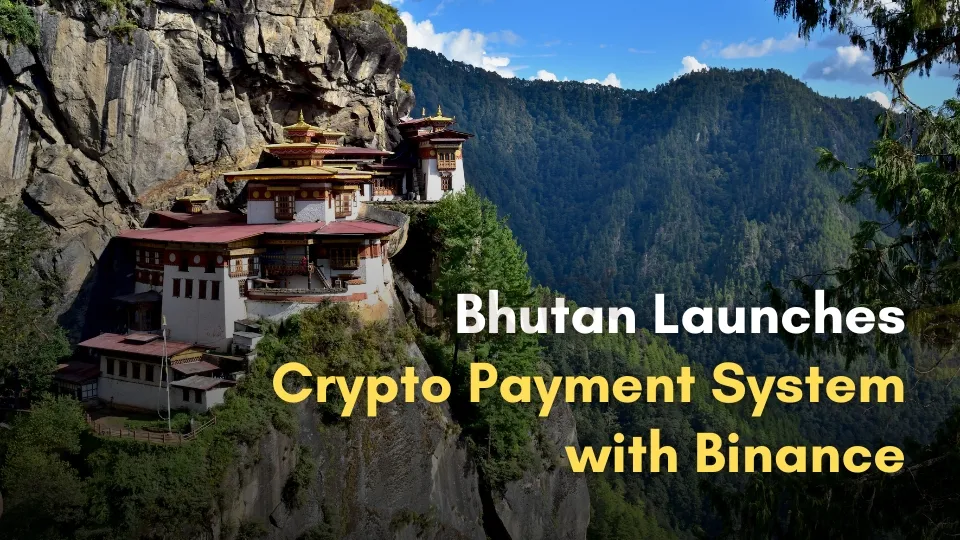
Bhutan, a small Himalayan nation with a big vision for cryptocurrencies, has launched an innovative crypto payment system that promises to reshape its tourism landscape. Teaming up with Binance Pay and DK Bank, the country is rolling out a system that lets travelers use over 100 digital currencies—think Bitcoin, USDC, and Binances BNB—for everything from booking hotels to hiring tour guides or buying local crafts. Announced by Binance on May 7, this move marks a significant leap toward blending digital finance with travel.
For tourists, the system is a game-changer. Those with a Binance account can settle bills directly from their crypto wallets, sidestepping the hassle of exchanging money or carrying cash. Its a streamlined experience that caters to tech-savvy globetrotters, making Bhutan an even more attractive destination. But the real impact lies in how it empowers local businesses, especially in far-flung corners of the country where traditional banking is scarce.
Empowering Rural Entrepreneurs The heart of this initiative is its focus on small-scale vendors and artisans, particularly in Bhutan‘s remote villages. Many of these businesses have never had access to card machines or digital payment tools. Now, with just a smartphone and a QR code, they can accept crypto payments from international visitors. Binance put it succinctly: “Even Bhutan’s most remote businesses can now accept crypto through a phone, gaining access to international travelers with just a QR code.” This opens up new revenue streams and brings global tourism dollars to local economies.

The system is designed to be user-friendly, ensuring that even those unfamiliar with crypto can participate. For Bhutan‘s tourism sector, it’s a step toward inclusivity, connecting rural entrepreneurs with the global market in ways that were previously out of reach.
A Global First in Crypto Tourism Bhutan‘s tourism department and Binance are calling this the “world’s first national-level crypto tourism payment system.” Unlike earlier crypto payment experiments, this one is comprehensive, offering real-time transaction confirmations and ultra-low fees. DK Bank, a trusted local institution, handles settlements, adding a layer of security and reliability. Binance CEO Richard Teng sees it as more than a payment tool: “This initiative exemplifies our commitment to innovation and our belief in a future where digital finance empowers global connectivity and enriches travel experiences.”
This system sets Bhutan apart as a trailblazer, showing how a nation can fully integrate crypto into a key industry. Its a model that could inspire others to rethink how digital currencies fit into global travel.
Bhutan‘s Crypto Ambitions The payment system dovetails with Bhutan’s broader push to embrace digital assets. Through Druk Holding and Investments (DHI), the country has built a substantial crypto portfolio, including over 12,000 BTC, according to Arkham data. Beyond Bitcoin, Bhutan holds assets on blockchains like Polygon, BNB Chain, and Base, signaling a diversified approach. Since at least 2019, the government has been mining and investing in crypto, aiming to create a robust economic foundation.
Yet, Bhutan‘s crypto journey isn’t without caution. In 2020, the Royal Monetary Authority warned against the Pi cryptocurrency, urging the public to be wary of untested digital assets. This balance of innovation and prudence defines Bhutans approach as it navigates the evolving crypto landscape.
A Blueprint for the Future By launching this crypto tourism payment system, Bhutan is not just enhancing its tourism appeal—its setting a global standard. The initiative showcases how digital currencies can drive economic inclusion, spark innovation, and make travel more seamless. As Bhutan continues to pioneer crypto adoption, it offers a compelling vision for how nations can harness blockchain technology to connect cultures and economies, paving the way for others to follow.