Abstract:Interest rate changes determine currency attractiveness, influencing capital flows and exchange rate trends. Understanding this mechanism helps investors navigate the forex market effectively.
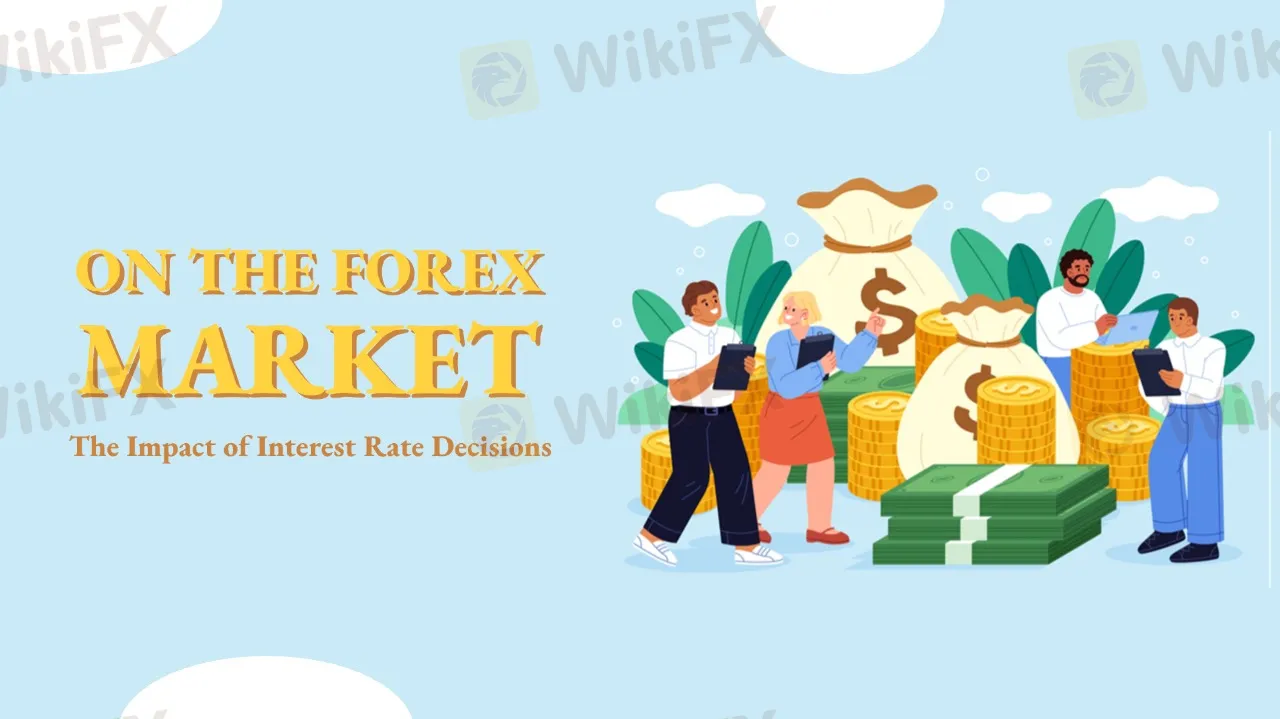
Interest rates are a key indicator of capital costs, affecting borrowing expenses and savings returns. In the forex market, investors seek higher yields, meaning capital often flows to countries with higher interest rates. For instance, in the early 2000s, Australia maintained high interest rates, making the Australian dollar a preferred currency for forex traders. Conversely, low interest rates usually lead to capital outflows, putting pressure on the currency. A notable example is the U.S. Federal Reserve lowering rates to near zero in 2020, causing the U.S. dollar to weaken.
How Do Interest Rates Influence the Market?
Interest rate decisions impact both short-term exchange rate fluctuations and long-term market trends.
Rate hikes increase borrowing costs, encourage saving, and attract foreign investment. For example, the Federal Reserves consecutive rate hikes in 2022 strengthened the U.S. dollar against major currencies like the euro and the yen.
Rate cuts lower investment returns and can lead to currency depreciation. In 2014, the European Central Bank introduced negative interest rates, causing the euro to weaken.
Market expectations play a crucial role. Even if a central bank does not change interest rates, expectations of future hikes can drive a currencys value higher. In 2023, the Bank of England hinted at possible rate hikes, leading to an appreciation of the British pound.
How Should Investors Respond?
Investors should monitor key central bank policies, such as those of the Federal Reserve, European Central Bank, and Bank of Japan, while also considering other factors like inflation and GDP growth.
Carry trade opportunities: Investors can hold positions in high-interest-rate currencies, such as going long on AUD/JPY, to earn interest rate differentials.
Tracking the bond market: The yield curve can provide insights into future interest rate trends. For instance, rising U.S. 10-year Treasury yields often indicate a strengthening U.S. dollar.
Adjusting strategies dynamically: If the market expects rate cuts, investors may shift towards safe-haven assets like gold or the Swiss franc to mitigate risks.
Interest rate decisions are a fundamental driver of the forex market. Investors need to analyze policies, market sentiment, and economic data holistically to seize trading opportunities amid market fluctuations.