Abstract:BSP tightens rules on offshore forex trades, including NDFs, to reduce systemic risks and peso volatility. Stakeholders’ feedback due by March 26.
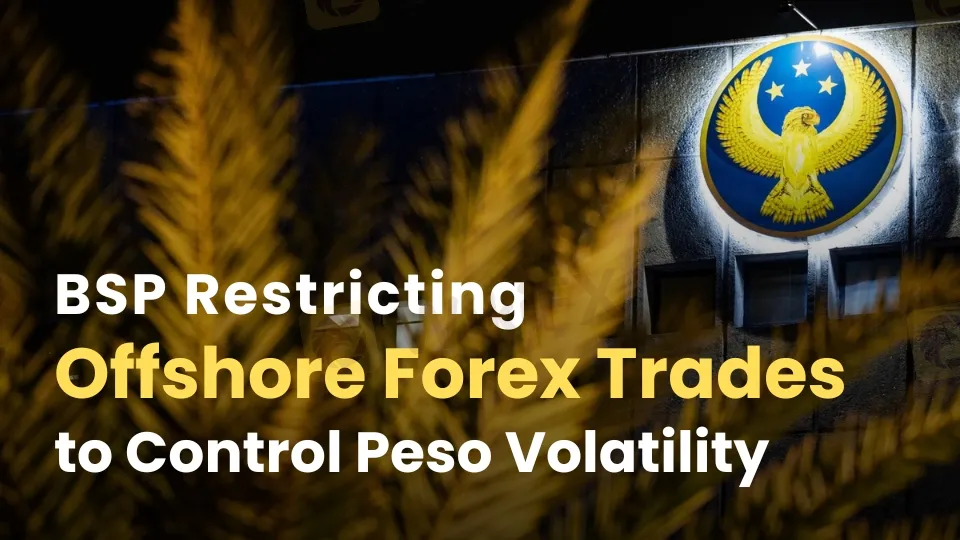
The Bangko Sentral ng Pilipinas (BSP) is making strong moves to limit banks' offshore FX trading activity. What's the goal? To protect the peso from extreme fluctuations and prevent speculative trading from adding to systemic vulnerabilities in the financial system. With the peso's stability hanging in the balance, the BSP is pressing for stricter regulations, and stakeholders have until March 26, 2025, to comment on a draft circular that might change how banks manage currency operations involving non-deliverable forwards (NDFs).
So, what is an NDF? It is a contract in which two parties agree to purchase or sell foreign currency at a predetermined price, but rather than exchanging actual cash later, they settle the value difference when the agreement matures. It's an effective way for firms, particularly importers, to hedge against FX volatility. But here's the catch: the BSP believes certain banks aren't only deploying NDFs to safeguard customers. They may also be speculating on peso movements to make a profit, which might backfire and undermine the currency.
History supports the BSP's fears. Excessive NDF trading has previously inflated the peso's value, complicating attempts to maintain stable exchange rates. When the peso rises against the dollar, exporters and families that rely on remittances from overseas Filipino workers suffer financially. That is why the BSP has tightened NDF restrictions throughout the years, and the most recent proposal is no exception.

The proposed circular does not end at NDFs. It also includes other forex derivatives such as non-deliverable swaps (NDS) and non-deliverable cross-currency swaps (NDCCS). In an NDS, no actual currency is swapped; instead, compensation is based on the difference between the agreed-upon rate and the market rate. NDCCS goes a step further, resolving currency and interest rate disparities without affecting cash flows. The BSP wants these “variants” subject to the same tight control as NDFs, including bank limitations and greater capital requirements.
Once the circular is approved, peso NDS and NDCCS trades will be capped at 20% of qualifying capital for local banks and 100% for international branches. However, trades with the BSP will not count toward these restrictions. “To mitigate the buildup of systemic risks and protect against undue concentration in market usage, the prudential guidelines are set in place,” the proposed regulation states. It's a clear statement that the BSP isn't playing around when it comes to FX speculation.
This is more than simply statistics; it's about keeping the economy stable. Peso volatility affects everyone in the Philippines, not just banks. Exporters lose competitiveness, while households who rely on dollar remittances see their budgets dwindle. By cracking down on hazardous FX trading, the BSP seeks to avoid similar hassles and prevent systemic risks from snowballing.
With the March 26 deadline approaching, the stakes are high. Banks, dealers, and corporations are looking over the plan, aware that it might alter their FX strategy. For the time being, the BSP is acting as a watchdog, trying to prevent speculative transactions from destabilizing the peso and the wider financial system. Will this work? Only time will tell, as will the peso's next move.