Abstract:Authorities in Malaysia have launched an extensive investigation into a fraudulent stock investment scheme, which has resulted in losses amounting to RM638,205.
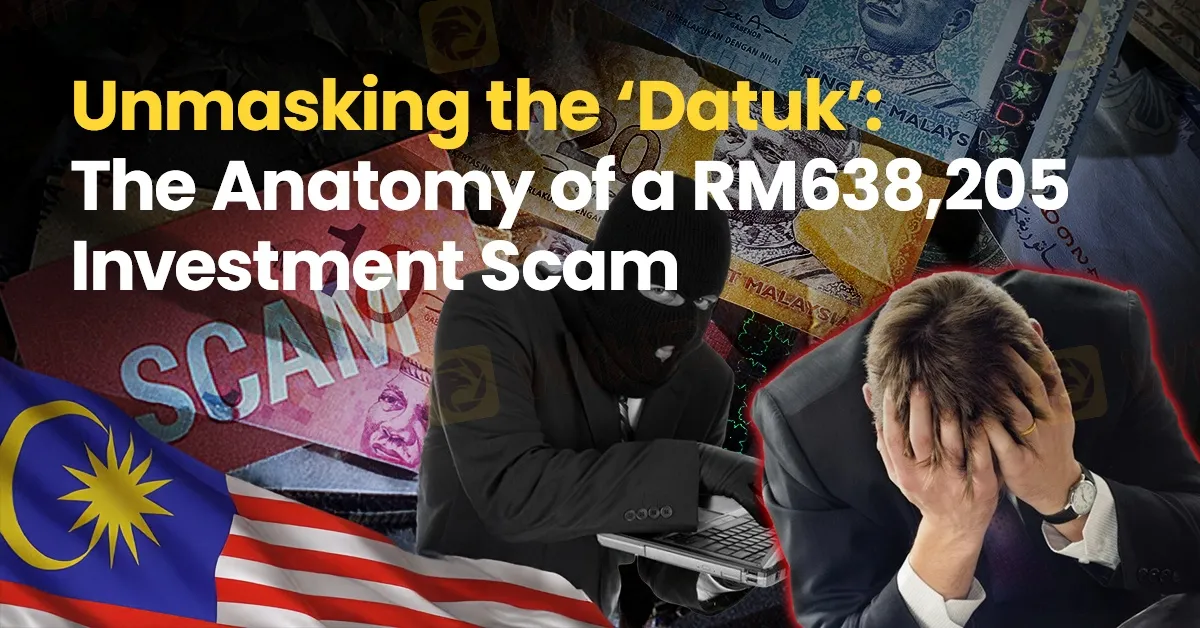
Authorities in Malaysia have launched an extensive investigation into a fraudulent stock investment scheme, which has resulted in losses amounting to RM638,205. The scheme is allegedly orchestrated by an individual holding the honorary title of ‘Datuk’.
The Bukit Aman Commercial Crime Investigation Department (CCID), under the leadership of Datuk Seri Ramli Mohamed Yoosuf, has so far opened 15 investigation papers into the case. Between 19 January and 20 February, a total of 32 reports related to the fraudulent scheme were filed, with total reported losses exceeding RM1.3 million.
Preliminary investigations have traced the company‘s establishment to 24 February 2022. It was found to have two directors, one of whom, the ’Datuk, was appointed on 10 May 2022. Authorities have classified the case under Section 420 of the Penal Code, which pertains to fraud-related offences.

Further examination of records from the Companies Commission of Malaysia has revealed that the company had a paid-up capital of RM6.9 million, with a total of 179 shareholders, consisting of 175 individuals and four corporate entities. Among the 15 cases currently under investigation, 11 victims have been identified as shareholders in the company.
The fraudulent scheme gained wider attention following media reports stating that 65 individuals had lodged complaints with the Malaysian International Humanitarian Organisation (MHO). These individuals claimed to have suffered collective losses amounting to approximately RM2.5 million after being misled into investing in the companys stock investment programme.
According to MHO secretary-general Datuk Hishamuddin Hashim, those responsible for the scheme had allegedly promoted common stock investment programmes to the public without issuing a valid prospectus, a requirement under financial regulations to ensure transparency and investor protection.
The rise of such fraudulent investment schemes underscores the importance of due diligence before committing funds to any financial platform. In an effort to safeguard investors, platforms like WikiFX provide essential tools to verify the legitimacy of brokers and financial institutions. With a comprehensive database featuring global broker profiles, regulatory status updates, and user reviews, WikiFX equips investors with the necessary information to make informed decisions.

Additionally, WikiFXs risk rating system and alerts help detect unlicensed or suspicious entities, allowing investors to identify potential threats before falling victim to fraudulent schemes. By conducting thorough background checks on brokers and investment platforms, individuals can significantly reduce their exposure to financial scams and better protect their assets.