Abstract:The SEC unveils draft guidelines for crypto-asset services in the Philippines, strengthening licensing, compliance, and investor protection for 2025 and beyond.
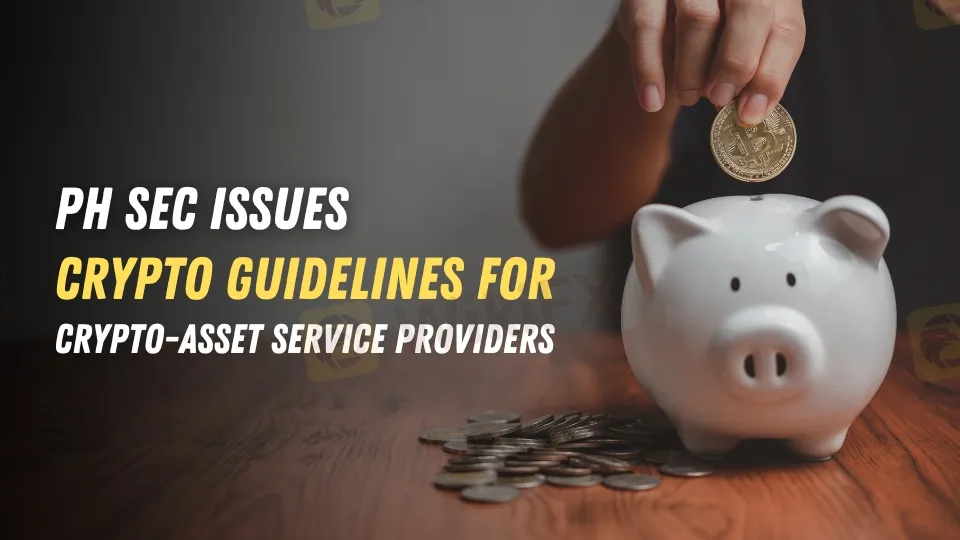
Manila, Philippines — The Securities and Exchange Commission (SEC) has proposed recommendations for regulating crypto-asset service providers in the Philippines. These rules, which are projected to go into effect in 2025, are intended to tighten governance and supervision of enterprises participating in the offering, trading, and other activities associated with these new financial instruments.
The SEC stressed that the new restrictions are intended to protect investors who invest in crypto-assets, which are generally associated with extreme volatility. The rules aim to make financial consumers' lives safer by regulating crypto-asset services in the Philippines.
 Contents
Regulating the Crypto Industry
According to the SEC, “the continued growth and development of new crypto-asset markets, services, and business models rely on clear, proportionate, and robust regulatory frameworks, which can ensure that markets are fair, efficient, and transparent.” Financial consumers and investors rely on reliable intermediaries to trade with.
These rules will apply to any crypto-asset service providers that operate in or serve the Philippines. According to the SEC, enterprises must examine financial and operational resilience, offer transparency about potential risks, implement complaint redress mechanisms, and proactively manage risks related with digital platforms and cryptocurrency technologies.

“In alignment with international standards, the SEC is establishing an affirmative legal framework to provide protection against consumer harms and systemic risks and to afford consumers the choice of engaging in crypto-asset activity with licensed and authorized intermediaries,” the agency said.
Service Provider License Requirements
According to the proposed guidelines, any service provider providing crypto-asset services in the Philippines must obtain the required license. The SEC stated that crypto services are considered domestic if they are delivered to individuals or companies in the Philippines or have an impact within its jurisdiction.
- To be eligible for crypto-asset service provider registration, applicants must be SEC-registered stock corporations.
- Hire at least four Filipino employees.
- Meet the guidelines' capital criteria.
Furthermore, the SEC stated that crypto-assets cannot be sold, offered for sale, or distributed in the Philippines unless the providers follow these new regulations.
The SEC encouraged public input, asking all interested parties to provide feedback on the proposed rules by January 18, 2025.
Final Thoughts
The publication of these rules is a crucial step in shaping the future of crypto-asset services in the Philippines. The SEC hopes to create trust and openness in the developing cryptocurrency business by strengthening oversight and enforcing conformity with international standards.
These initiatives illustrate the Philippine government's proactive approach to balancing innovation and consumer safety. As crypto-assets expand, clear policies like these are critical to maintaining the country's fair, efficient, and competitive financial sector.
Stakeholders can now help define these laws by providing their ideas, ensuring that the legislation meet both the promise and problems of this changing financial sector.