Abstract:The Royal Malaysia Police (PDRM) has received 26 reports concerning the Nicshare and CommonApps investment schemes, both linked to a major fraudulent syndicate led by a Malaysian citizen. The syndicate’s activities came to light following the arrest of its leader by Thai authorities on 16 December.
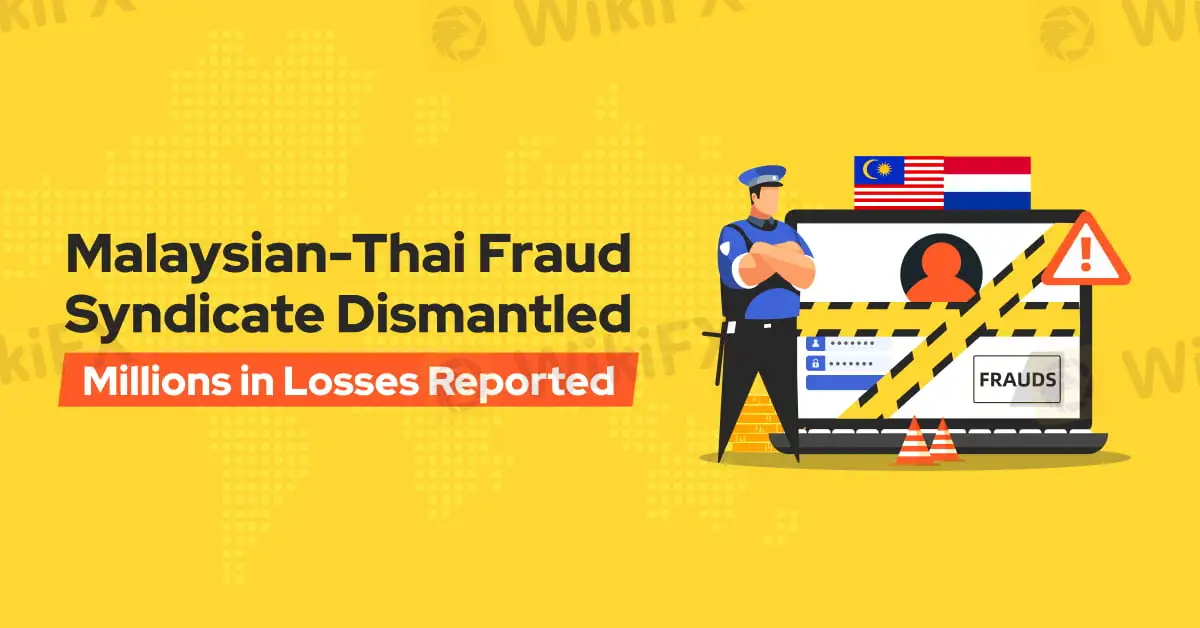
The Royal Malaysia Police (PDRM) has received 26 reports concerning the Nicshare and CommonApps investment schemes, both linked to a major fraudulent syndicate led by a Malaysian citizen. The syndicates activities came to light following the arrest of its leader by Thai authorities on 16 December.
According to Inspector-General of Police (IGP) Tan Sri Razarudin Husain, 24 reports linked to the Nicshare scheme revealed a total loss of RM8,212,758.29, while two reports associated with CommonApps involved losses amounting to RM340,079. Investigations into these reports are currently underway under Section 420 of the Penal Code and the Anti-Money Laundering, Anti-Terrorism Financing, and Proceeds of Unlawful Activities Act 2001.
Authorities have charged several suspects and entities connected to the schemes. The investigation is ongoing, focusing on the networks operations, including links to Malaysian individuals apprehended in Thailand.
Thai police have reported that the arrests were part of efforts to dismantle a large-scale money laundering and fraud syndicate, which allegedly laundered over 5 billion Baht (equivalent to approximately RM651 million). The operation targeted victims who were lured into investing in fraudulent mobile applications like Nicshare and CommonApps with promises of lucrative stock market returns.

The groups leader, a 38-year-old Malaysian man, was detained at the Sadao Immigration Checkpoint in Songkhla province as he attempted to enter Thailand. His Thai wife, believed to be an accomplice, was apprehended two days later at a separate location. Both arrests followed a series of complaints filed by victims who had been deceived into investing in the schemes.
The fraudulent operations allegedly involved manipulating mobile applications to create the illusion of high-profit investments. Victims were misled into believing their funds were being used in legitimate stock market ventures, only to find themselves defrauded.
The public is advised to remain cautious when approached with investment opportunities promising unrealistic returns, particularly those involving unverified mobile applications. Both governments are committed to raising awareness about financial scams to protect citizens from falling prey to such deceptive practices.
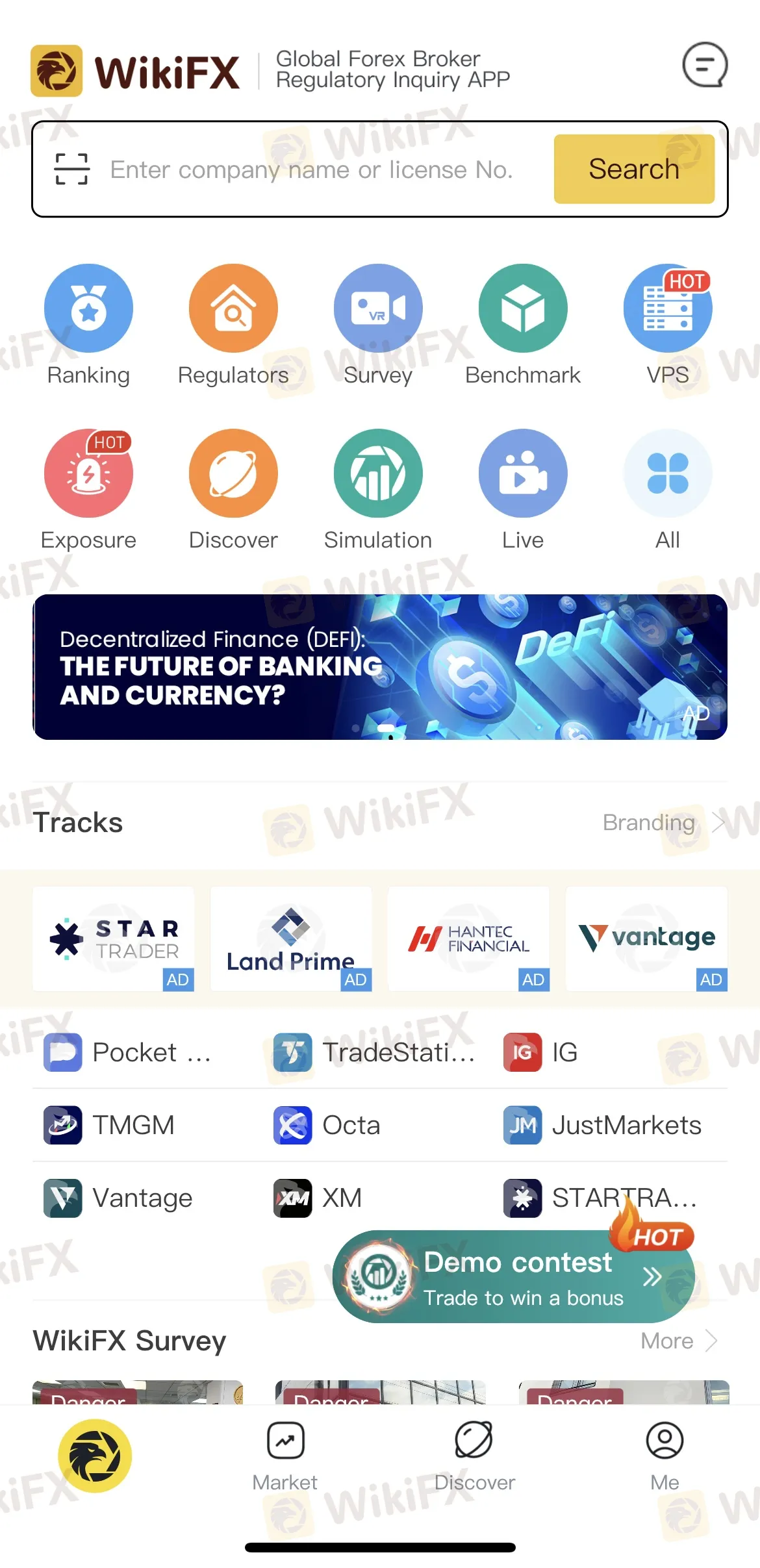
To prevent falling victim to fraudulent schemes like this one, using tools like WikiFX can be a game-changer. WikiFX provides detailed information on brokers, including regulatory status, customer reviews, and safety ratings, allowing users to verify the legitimacy of any investment platform before committing their money. With access to in-depth insights and risk alerts, WikiFX equips potential investors with the resources to make informed decisions and avoid unauthorised or unlicensed entities. By checking with WikiFX, users can confidently protect their savings and avoid the costly traps set by unscrupulous investment syndicates.