Retiree loses over RM337,000 in Facebook investment scam
Authorities warn public to verify financial transactions as pensioner duped by fake online investment
简体中文
繁體中文
English
Pусский
日本語
ภาษาไทย
Tiếng Việt
Bahasa Indonesia
Español
हिन्दी
Filippiiniläinen
Français
Deutsch
Português
Türkçe
한국어
العربية
Abstract:A 46-year-old civil servant recently fell victim to an investment scam, losing RM148,000 to a fraudulent scheme in Malaysia.
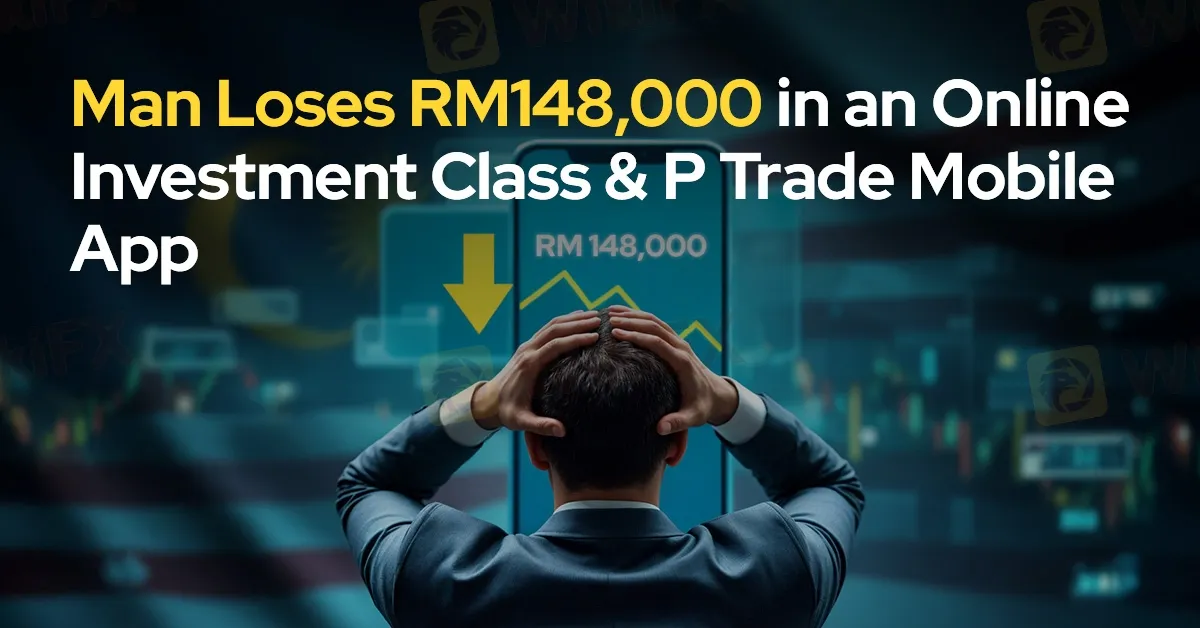
A 46-year-old civil servant recently fell victim to an investment scam, losing RM148,000 to a fraudulent scheme in Malaysia. The case, currently under investigation by local authorities, highlights the growing prevalence of online financial scams and serves as a stark reminder for individuals to remain vigilant.
Enticed by the promise of lucrative returns, he engaged with the schemes representatives via WhatsApp. They invited him to join an online investment class and guided him to download an app called P Trade.
The victim was soon drawn into the scam. Between 19 September and 24 October, he made 28 separate payments, amounting to RM138,000, into three different bank accounts provided by the suspects. The app displayed what appeared to be substantial profits, showing a balance of RM1,333,530. This illusion of success convinced him of the schemes legitimacy.

However, trouble arose when the victim attempted to withdraw his earnings. Despite being promised access to his profits, he was able to recover only RM3,400. On 13 November, he was informed that his investment had been frozen and was subjected to a penalty fee of RM25,000. Under pressure, he transferred an additional RM10,000, hoping to resolve the issue. Yet, the scammers continued to demand more money.
These ongoing demands finally raised suspicions, prompting the victim to report the matter to the police on 4 December. District Police Chief, Assistant Commissioner Azli Mohd Noor, confirmed that the case is being investigated under Section 420 of the Penal Code, which deals with fraud offences.
The rise of such scams underscores the importance of due diligence when considering financial investments. Many fraudulent schemes leverage convincing technology and false promises to lure unsuspecting victims. To help combat this growing threat, platforms like WikiFX provide invaluable resources for verifying the legitimacy of brokers and financial services.

WikiFX offers a comprehensive database of broker profiles, regulatory updates, and user reviews. Its risk ratings and warnings for unlicensed or questionable entities help users identify potential red flags. By leveraging the useful features of WikiFX, investors can make more informed decisions and avoid falling into the trap of fraudulent schemes. Download yours for free from Google Play/App Store.


Disclaimer:
The views in this article only represent the author's personal views, and do not constitute investment advice on this platform. This platform does not guarantee the accuracy, completeness and timeliness of the information in the article, and will not be liable for any loss caused by the use of or reliance on the information in the article.

Authorities warn public to verify financial transactions as pensioner duped by fake online investment

Failed to withdraw funds from the BDSWISS trading account despite multiple attempts? Did the broker reject your fund withdrawal application without any reason? Did the high slippage lead to massive capital losses? Was the customer support team far from ideal? Many traders have reported these issues online. In this BDSWISS review article, we have examined several such complaints against the forex broker.

When your capital is at risk, trust isn't just a feeling - it's something you can measure. For traders thinking about using the broker Evest, one question is impossible to avoid: Is Evest a trusted partner for your investments, or does it put your investments at serious risk? The answer to this important question, "Is Evest Safe or Scam?", isn't found in the company's ads. You find it by comparing what the broker officially says with the real, often worrying experiences of actual users. This review won't rely on guessing. Instead, we'll take a deep look at the broker's legal status and, more importantly, the number and types of real Evest complaints. Our research is based on public information, mainly from the worldwide broker research platform, WikiFX, to show the truth about Evest's reputation.

In the fast-moving world of online trading, the most important thing for protecting your investments is not studying the market or having a good trading plan—it is making sure your broker is properly regulated. A license is much more than just paperwork; it is your main protection. When we look at Evest, the question "Is Evest regulated?" has a complicated answer. While the broker does have licenses, our research has found serious warning signs, a confusing company structure, and many concerning complaints from traders that need careful attention. This complete guide will get straight to the point. We will look at Evest's official licenses right away, break down the complex company structure behind the brand, examine the serious complaints from users, and give you our final judgment. Read on!