Abstract:A 49-year-old e-hailing driver in Malaysia fell victim to a fraudulent investment scheme, losing RM218,000 in a matter of weeks. The scheme, which falsely promised returns of 3 to 5 per cent within just three days, left the individual financially devastated.
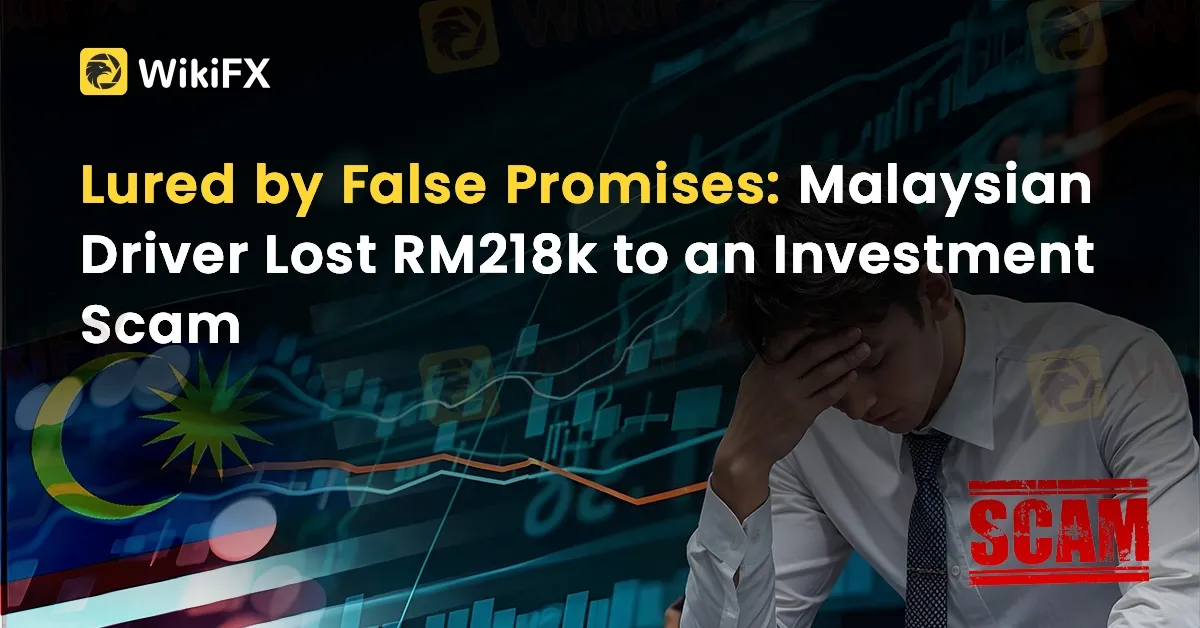
A 49-year-old e-hailing driver in Malaysia fell victim to a fraudulent investment scheme, losing RM218,000 in a matter of weeks. The scheme, which falsely promised returns of 3 to 5 per cent within just three days, left the individual financially devastated.
According to the district police chief, Assistant Commissioner Tan Seng Lee, the victim reported the scam to authorities after discovering irregularities in the supposed investment. The victim had used an app linked to the scheme and made seven separate transactions between 16 October and 13 November, transferring a total of RM218,000 to three different accounts.
Initially, the victim was led to believe the investment was yielding substantial profits. By monitoring the app, he observed that his portfolio had ostensibly grown to RM500,000. However, when he attempted to withdraw these funds, he found his account had been blocked, preventing access to the so-called earnings. Recognising the signs of fraud, the victim promptly filed a police report to address the matter.
Assistant Commissioner Tan confirmed that the case is under investigation, highlighting the prevalence of such scams in recent years. These schemes often exploit individuals hopes for quick financial gains, leveraging convincing platforms and promises of high returns to lure unsuspecting victims.

Investment scams like this one are designed to exploit a combination of trust, greed, and human psychology. One of the primary reasons people fall prey to these schemes is the promise of quick and high returns. Fraudsters often advertise unrealistic gains within very short timeframes, appealing to individuals who seek fast financial growth. In this case, the victim was drawn in by the promise of a 3 to 5 per cent return in just three days. Such offers create a sense of urgency, pushing potential victims to act impulsively without conducting thorough research or due diligence.
Another factor contributing to the effectiveness of investment scams is the use of convincing technology. Fraudulent schemes frequently utilise professional-looking websites or apps to appear credible. These platforms are designed to show fabricated earnings and progress, as was evident when the Malaysian victim believed his investments had grown to RM500,000. The sophisticated appearance of these tools often blinds victims to the reality that they are dealing with a scam.
Scammers also employ psychological manipulation to draw victims deeper into their schemes. They exploit emotions such as fear of missing out (FOMO) or greed, encouraging individuals to invest more when they see fake returns. The e-hailing driver‘s repeated investments over a month illustrate how easily victims can be enticed to commit more money once they perceive apparent success. This emotional manipulation is key to the fraudsters’ strategy, as it keeps victims engaged and trusting the process.
Complexity and a lack of transparency also play a significant role in investment scams. Fraudsters deliberately use confusing terms and processes to dissuade victims from asking critical questions. In many cases, victims are led to believe they need to remain invested to access their supposed profits. This was demonstrated when the victim in this case believed he had earned half a million ringgit but was unable to withdraw the funds, as his account had been blocked.
Finally, the restriction of access to funds is a classic hallmark of investment fraud. Scammers often delay or block withdrawals to maintain the illusion of legitimacy while preparing to disappear with the money. By the time victims realise they have been deceived, the perpetrators have vanished, leaving little recourse for recovery.

To help protect individuals from falling prey to unauthorised investment schemes, WikiFX offers essential tools and resources for verifying the legitimacy of brokers and financial platforms. With an extensive database of global broker profiles, regulatory status updates, and user reviews, WikiFX empowers users to make informed decisions before committing to any financial investment. The apps risk ratings and alerts for unlicensed or suspicious entities enable investors to easily spot red flags and avoid potential scams. By checking a broker's background on WikiFX, users can better safeguard their hard-earned savings and steer clear of fraudulent schemes, making WikiFX an indispensable resource for safer investing.