Abstract:Amidst escalating concerns over the abrupt shutdown of cryptocurrency exchange BitForex and allegations of a substantial withdrawal, Hong Kong's regulatory authority issues a stern warning, underscoring the pressing need for vigilance and regulatory oversight in the dynamic landscape of cryptocurrency trading.
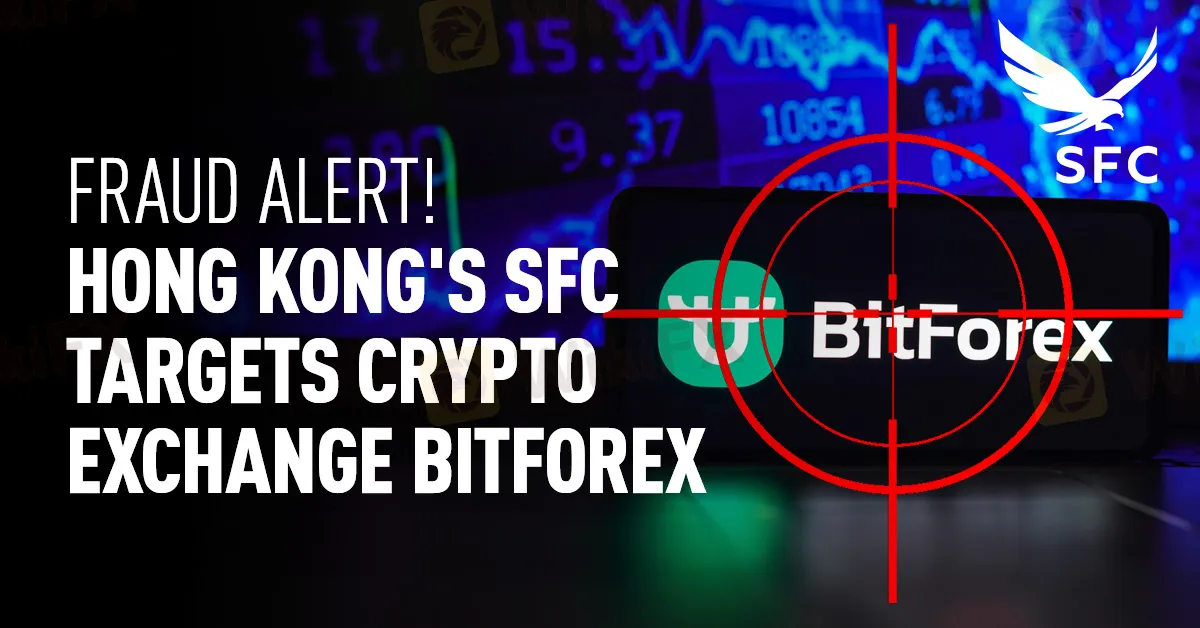
In recent developments within the dynamic realm of cryptocurrency trading, Hong Kong's regulatory authority overseeing securities and futures markets has issued a public warning against BitForex, a cryptocurrency exchange suspected of engaging in fraudulent activities. This cautionary note comes amidst escalating concerns and a growing need for enhanced vigilance in the burgeoning crypto space.
On February 23, BitForex, a platform that facilitates the exchange of various cryptocurrencies, found itself at the center of a controversy when it abruptly went offline following reports of a substantial $57 million withdrawal from its hot wallets. This incident raised eyebrows, prompting the Securities and Futures Commission (SFC) of Hong Kong to delve into the operations of the exchange.

BitForex's troubles are not confined to Hong Kong alone. Japanese regulators had previously flagged the exchange for operating within the country without the necessary registration, underscoring broader regulatory challenges facing the global cryptocurrency landscape.
Hong Kong, while positioning itself as a potential global hub for virtual assets, is grappling with the delicate balance of fostering innovation and maintaining regulatory oversight in the cryptocurrency sector. The region has been proactive in welcoming retail investors to engage in crypto trading and exploring avenues such as spot crypto exchange-traded funds (ETFs). However, these efforts are juxtaposed against the backdrop of law enforcement actions, with notable instances, including arrests linked to the investigation of the JPEX cryptocurrency exchange.
DLnews.com, an online news platform, sent a journalist to personally investigate BitForex's purported office in Hong Kong. The findings were revelatory – the site led to an unoccupied office space nestled in a strip mall. This on-the-ground observation adds a tangible layer to the suspicions surrounding BitForex's legitimacy.
In response to these alarming developments, the Hong Kong Securities and Futures Commission (SFC) underscored the lack of licensing for BitForex, purportedly headquartered in Hong Kong. Notably, the exchange has not sought authorization to operate a Virtual Asset Trading Platform (VATP) within the jurisdiction. The SFC further highlighted the curious circumstance that BitForex, despite its regulatory shortcomings in Hong Kong, holds a license to operate in Canada, adding complexity to the unfolding narrative.
As the investigation deepens, victims have reported the shutdown of BitForex's website, impeding access to their accounts and hindering withdrawal processes. In a bid to protect investors, the SFC has called upon the Hong Kong Police Force to block pertinent website links and social media pages associated with BitForex.
The BitForex saga sheds light on the challenges faced by regulatory bodies in overseeing an industry marked by innovation, rapid evolution, and, unfortunately, instances of potential malfeasance. It serves as a stark reminder of the need for continuous diligence in navigating the intricate landscape of cryptocurrency exchanges.
In conclusion, the alleged fraudulent activities surrounding BitForex bring forth a crucial conversation about regulatory frameworks, investor protection, and the evolving nature of the cryptocurrency market. As the investigation unfolds, stakeholders are left to ponder the delicate equilibrium between fostering innovation and safeguarding the interests of those participating in this ever-evolving financial frontier.