Abstract:Beware the Fake Elon Musk Scam! Unscrupulous scammers exploit Musk's public image and reputation to lure unsuspecting users into counterfeit investment opportunities.
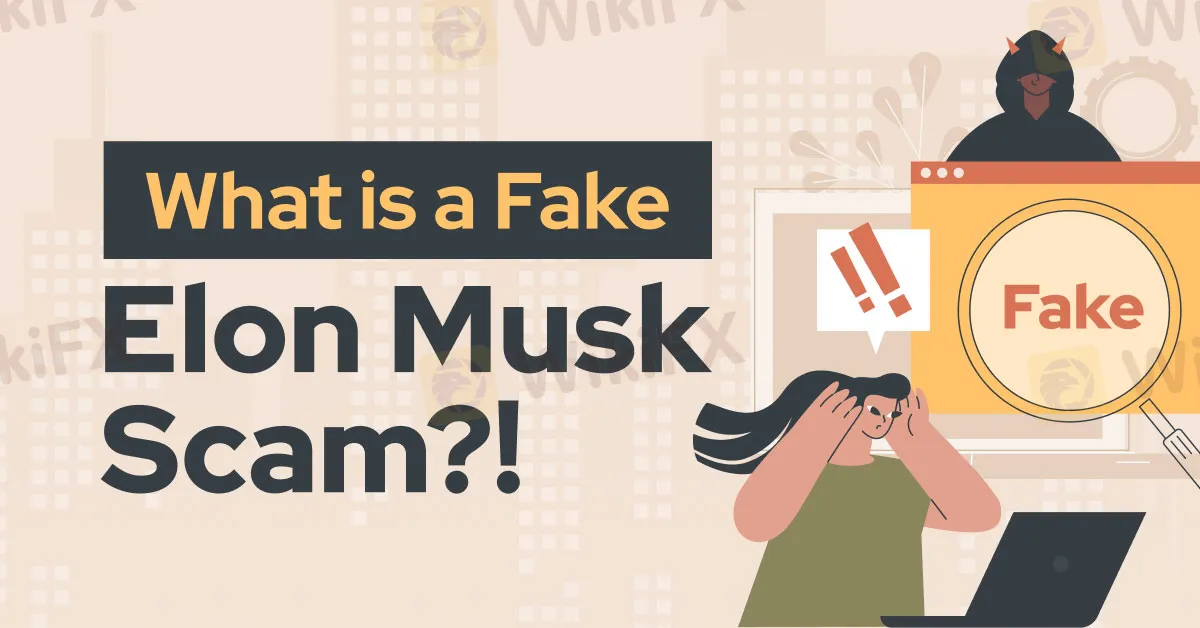
In a recent advisory issued by the Australian National Anti-Scam Centre (NASC), investors are alerted to a sophisticated scam leveraging fake news articles and deepfake videos featuring notable celebrities, including tech billionaire Elon Musk, to endorse deceptive online trading platforms.
It is imperative for investors to exercise caution as scams exploiting Elon Musk's reputation, renowned for his ground-breaking ventures like Tesla and SpaceX, gain traction in the digital realm. Unscrupulous individuals leverage Musk's fame and innovation to dupe unsuspecting users with counterfeit investment opportunities. Employing various deceptive tactics, including the use of deepfakes or manipulated videos showcasing Musk promoting cryptocurrency giveaways, scammers entice users with promises of multiplying their cryptocurrency investments. It is crucial to discern the falsehood of these offers, as Elon Musk would not be associated with such giveaways. Additionally, scammers compromise established YouTube channels or social media accounts, altering logos and names to mimic official channels, underscoring the importance of verifying account details before trusting any information.

NASC urges consumers to exercise heightened vigilance, especially on social media, where these scams often masquerade as sponsored posts or ads. This alert follows reports from Australians who suffered losses exceeding $8 million due to online trading platform scams last year, leading to the filing of 400 reports with Scamwatch.
The perpetrators of these scams fabricate news articles and deepfake videos with meticulous manipulation to simulate authentic endorsements from celebrities, falsely advertising substantial gains from online trading platforms like Quantum AI, Immediate Edge, and Quantum Trade Wave. Despite claims of utilizing advanced technologies such as artificial intelligence and quantum computing for lucrative returns, these assertions lack credibility, and the mentioned trading platforms operate without regulation or licensing from any authoritative body.
Catriona Lowe, Deputy Chairwoman of the Australian Competition and Consumer Commission (ACCC), underscores the critical importance of thorough research before engaging in investment opportunities, especially those encountered on social media. In this elaborate scheme, scammers lure victims with a nominal investment of approximately $250 via credit card, offering an online dashboard or third-party app displaying fabricated profits. Subsequently, victims are coerced into investing more funds, sometimes with minimal withdrawals to cultivate a false sense of trust. Attempts to retrieve funds are met with scammers demanding extra fees or taxes, or victims being denied access to their accounts.
Lowe emphasizes a specific case where an Australian man lost $80,000 in cryptocurrency after encountering a deepfake Elon Musk video interview on social media, clicking the link, and submitting his details through an online form. This NASC warning underscores the imperative need for heightened vigilance against increasingly sophisticated scams targeting unsuspecting online investors.
Simultaneously, regulators globally express concern over the escalating reliance of retail investors on financial influencers, or finfluencers, instead of conducting their own market research. This trend, exacerbated by the rise of deepfakes, has prompted regulatory authorities worldwide to raise alarms.
Over a year ago, the Cyprus Securities and Exchange Commission revealed a study indicating that one in three investors would place more trust in a social media authority than in someone from their immediate family. Trust levels in France exceeded 40%, the highest among surveyed countries, while in Germany, only one in five retail investors believe advice from platforms such as TikTok, YouTube, and Instagram.
In a significant development, the UK's Financial Conduct Authority announced plans in July to regulate the finfluencer industry and adopt a stronger stance against illegal advertisements on social media, including deepfakes.
In a recent incident highlighting the repercussions of such activities, ASIC reported obtaining a bankruptcy order against Tyson Scholz, a social media finfluencer known as “ASX Wolf.” Scholz faced bankruptcy after failing to pay AU$456,296.64, as ordered by the court.
To safeguard against potential risks, individuals are strongly advised to approach offers that seem too good to be true with scepticism, as legitimate investment opportunities do not involve pressure tactics or guarantees of returns. Verifying information is paramount, and individuals should refrain from clicking on suspicious links or downloading attachments, ensuring the legitimacy of an offer through official sources. Awareness of red flags, such as upfront fees required by legitimate investment platforms, is crucial, and individuals encountering scams are urged to report them promptly to prevent others from falling victim.