Abstract:Forex brokers are prioritizing Negative Balance Protection to shield traders from excessive losses, showcasing commitment to trust, regulatory compliance, and building long-term relationships in a competitive market.
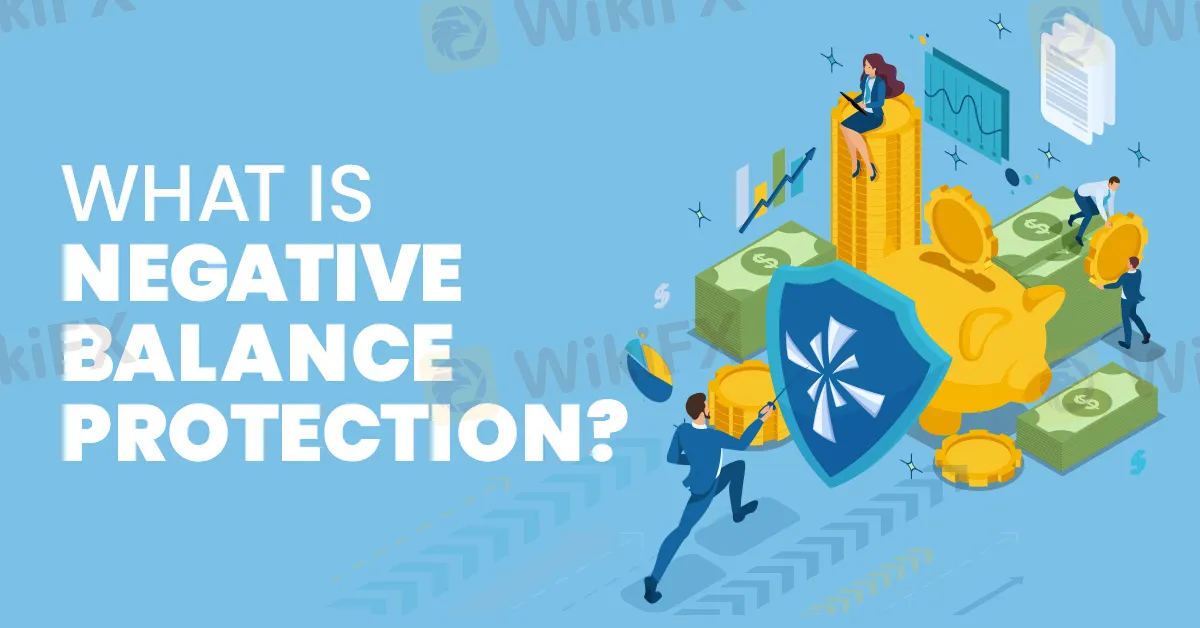
In the intricate world of forex trading, where volatility and rapid market shifts are par for the course, risk management is paramount. One significant safeguard gaining prominence is “Negative Balance Protection,” a feature that brokers are increasingly promoting to shield traders from financial pitfalls. In this article, we delve into what Negative Balance Protection entails and explore the reasons brokers are prioritizing its implementation.
Negative Balance Protection is a risk management tool designed to shield traders from incurring losses exceeding their initial investment. In the highly leveraged world of forex trading, where traders can amplify their positions, the risk of facing a negative balance—owing more than the initial deposit—is a genuine concern. Negative Balance Protection acts as a safety net, ensuring that traders do not end up owing more than they invest, even in extreme market conditions.
In the absence of Negative Balance Protection, traders could theoretically lose more than their initial investment if a trade goes significantly against them. For instance, if a trader opens a leveraged position and the market experiences a sudden and drastic downturn, the losses could surpass the trader's account balance. Negative Balance Protection steps in by automatically closing out trades or adjusting positions to prevent the account from going into negative territory.

Client Protection and Trust: Brokers prioritizing Negative Balance Protection are sending a clear message of commitment to client protection and trust. By implementing this feature, brokers aim to build a secure trading environment where clients can trade with confidence, knowing that their potential losses are capped at their initial investment.
Regulatory Compliance: In the wake of increased regulatory scrutiny in the forex industry, many jurisdictions now require brokers to implement measures that protect retail traders. Negative Balance Protection aligns with these regulatory expectations, demonstrating a broker's adherence to industry standards and commitment to ensuring fair and responsible trading practices.
Market Competitiveness: As traders become more discerning about the features offered by brokers, Negative Balance Protection has become a competitive advantage. Brokers promoting this feature are positioning themselves as responsible and trader-focused entities, differentiating themselves in a crowded market.
Risk Mitigation and Stability: For brokers, implementing Negative Balance Protection is a strategic move to mitigate risks associated with extreme market conditions. By proactively protecting clients from excessive losses, brokers contribute to the stability of their trading platforms and reduce the likelihood of financial strain on traders.
Building Long-Term Relationships: Brokers recognize the value of fostering long-term relationships with traders. By prioritizing the financial well-being of clients through features like Negative Balance Protection, brokers aim to build trust and loyalty, encouraging traders to stay with them for the long haul.
In conclusion, Negative Balance Protection stands as a crucial safeguard in the ever-evolving landscape of forex trading. Brokers promoting this feature are not only meeting regulatory expectations but also positioning themselves as reliable and responsible partners for traders. As traders navigate the complexities of the forex market, having the assurance that their potential losses are limited adds a layer of security that is increasingly becoming a priority for both traders and brokers alike.

Disclaimer:
The views in this article only represent the author's personal views, and do not constitute investment advice on this platform. This platform does not guarantee the accuracy, completeness and timeliness of the information in the article, and will not be liable for any loss caused by the use of or reliance on the information in the article.