Abstract:OspreyFX sparked controversy by making a bold move this week: opting to replace the well-established MetaTrader 4 and 5 (MT4/MT5) with its in-house platform, TradeLocker. Despite being marketed as an advanced trading experience, this transition has triggered a wave of complaints from users, casting doubt on the broker's future and signalling potential concerns.
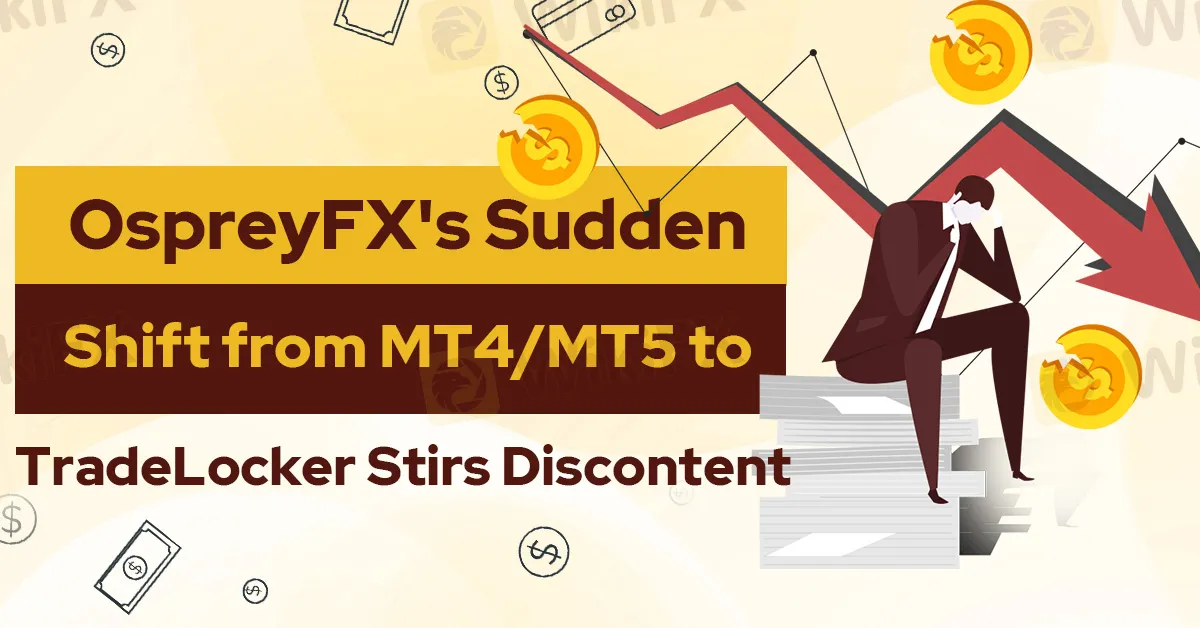
OspreyFX sparked controversy by making a bold move this week: opting to replace the well-established MetaTrader 4 and 5 (MT4/MT5) with its in-house platform, TradeLocker. Despite being marketed as an advanced trading experience, this transition has triggered a wave of complaints from users, casting doubt on the broker's future and signalling potential concerns.


While OspreyFX emphasizes TradeLocker's speed, mobile-centric design, and social trading components, abruptly disconnecting from a platform used by millions worldwide seems disruptive.
The TradeLocker shift raises concerns on a broader scale, for several reasons:
- Eroding Trust and User Confidence:
MT4/MT5 are industry standards used by millions globally. Moving away from such established platforms raises doubts about the broker's commitment to user needs and best practices.
Abrupt platform changes without comprehensive support and user buy-in can significantly erode trust in the broker, leading to customer churn and reputational damage.
- Functionality and Familiarity Concerns:
MT4/MT5 offer extensive customization options, technical indicators, charting tools, and automated trading capabilities, features deeply ingrained in traders' workflows. A less established platform like TradeLocker may lack these functionalities, frustrating experienced users and hindering their trading experience.
Learning a new platform takes time and effort, especially for complex financial instruments. Forcing users to adapt to a less familiar platform disrupts their trading routines and could lead to costly mistakes.
- Compatibility and Data Migration Issues:
Integration with industry tools, data providers, and third-party services built around MT4/MT5 might not be smooth with TradeLocker, potentially limiting users' trading options and access to valuable data.
Concerns arise about seamless data migration from MT4/MT5 to TradeLocker. Historical data and open positions are crucial for traders, and any hiccups in the transition could lead to financial losses.
- Lack of Transparency and Motive:
The rationale behind abandoning widely adopted platforms for a proprietary one often remains unclear. This lack of transparency breeds suspicion and raises questions about the broker's priorities and potential cost-cutting measures over user needs.
Users might doubt the true value proposition of the new platform and suspect hidden agendas that prioritize the broker's interests over theirs.
- Uncertainty and Potential Market Instability:
A mass exodus of users due to dissatisfaction with TradeLocker could damage the broker's reputation and market share.
Uncertainty surrounding the platform's stability and future development could further erode trust and destabilize the broker's position in the competitive forex market. The core of dissatisfaction revolves around perceived shortcomings in TradeLocker. Users lament its cumbersome interface, limited features compared to the extensive customization options in MT4/MT5, and the unfamiliarity of the platform.


While OspreyFX's gamble on TradeLocker may pay off eventually, the current backlash from users and lingering uncertainties paint a worrying picture.
It is important to note that Osprey FX, which lacks a regulatory license, holds a low rating from WikiFX. This absence of regulation indicates potential heightened risk within its operations.


As a precaution, WikiFX strongly advises users to consider brokers with a minimum WikiFX score of 7.0, ensuring regulation and stability. Prioritizing safety over uncertainty remains paramount in broker selection.