Abstract:CFTC sues Coby Young and his company for $300,000 forex scam and pool misconduct. Allegations include fraudulent forex transactions and registration breaches. CFTC seeks remedies and penalties, emphasizing investor protection. Stay informed on this case at the CFTC's website
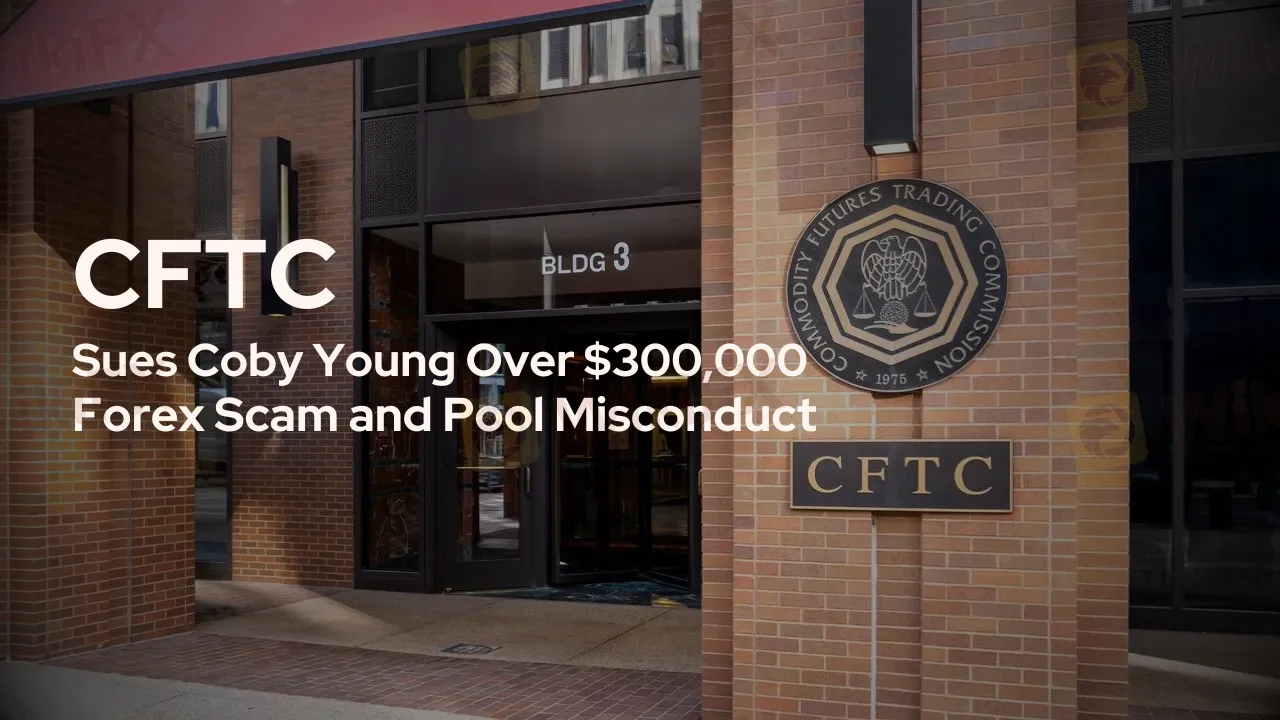
The Commodity Futures Trading Commission (CFTC) has officially filed a legal complaint against Coby Young of Illinois and his company, Young Emerging Strategies LLC, for allegedly engaging in deceptive forex trading practices and violating commodity pool operational rules.
The defendants are accused of a variety of violations, including fraudulent activities in leveraged forex transactions, misdeeds by a commodity pool operator, breaches of registration requirements, failures in disclosure and recordkeeping, and improper pool asset mixing, according to the complaint filed in the United States District Court for the Northern District of Illinois.
 Contents
Call for Justice and Remediation
The CFTC is seeking a comprehensive package of remedies and penalties in response to these allegations. They are requesting restitution for affected participants in the forex pool, the seizure and return of any profits gained unlawfully, the imposition of monetary fines, and the enactment of permanent bans against trading and registration for the defendants. Moreover, the Commission is pushing for a permanent injunction to prevent any further infractions of the Commodity Exchange Act (CEA) and related CFTC regulations.

The Allegations Detailed
From August 2019 until the present, the defendants allegedly solicited people to attend forex trading courses using online platforms, social media, and direct encounters. Following that, members of these courses were urged to join a forex trading pool run by the defendants, with promises of substantial profits, even tripling deposits. Despite receiving nearly $300,000 from pool contributors, the CFTC claims that the vast bulk of this monies was diverted for personal use, cash withdrawals, and payments to other investors, rather than being utilized for the promised FX trading.
In addition to the alleged wrongdoings, the defendants are accused of failing to register with the CFTC, failing to provide key disclosures to participants, and failing to keep adequate records of their activities.
Collaborative Enforcement Efforts
The successful filing of this complaint was bolstered by the collaborative efforts of the Federal Bureau of Investigation and the U.S. Attorneys Office for the Northern District of Illinois, which the CFTC acknowledges with gratitude.
The team responsible for pursuing this action within the CFTCs Division of Enforcement includes staff members Elsie Robinson, Monique McElwee, Nicholas Sloey, Christopher Reed, and Charles Marvine, with former intern Logan Jeffers providing valuable assistance.
Educational Resources and Public Warning
In the wake of ongoing concerns about investment fraud, the CFTC has released multiple Fraud Advisories and Articles to help the public identify and steer clear of fraudulent schemes. These include the Foreign Currency (Forex) Trading Fraud Advisory and the Commodity Pool Fraud Advisory, which offer insights into recognizing, avoiding, and reporting fraudulent activities.
Moreover, the CFTC strongly encourages individuals to check the registration status of companies through the NFA BASIC portal before committing funds. A lack of registration could be a significant red flag warranting caution from potential investors.
Bottom Line
The CFTC's complaint is a harsh reminder of the regulatory body's vigilance and commitment to safeguarding market participants from fraudulent acts. The Commission continues to act aggressively to protect the integrity of financial markets and to provide justice for individuals who have been harmed by illegal actions.