Abstract:MONEX Group, a Tokyo-based supplier of electronic trading services, has introduced a claw-back policy for the compensation of senior officers. The policy will attempt to recover compensation in case of accounting mistakes or misbehavior within the firm group. Restricted stock and performance-based compensation for executive officers will be subject to the policy starting on April 24, 2023. The policy aims to encourage ethical procedures and to hold leaders accountable for their actions. MONEX hopes to improve overall corporate governance and develop a culture of integrity and moral decision-making within its business.
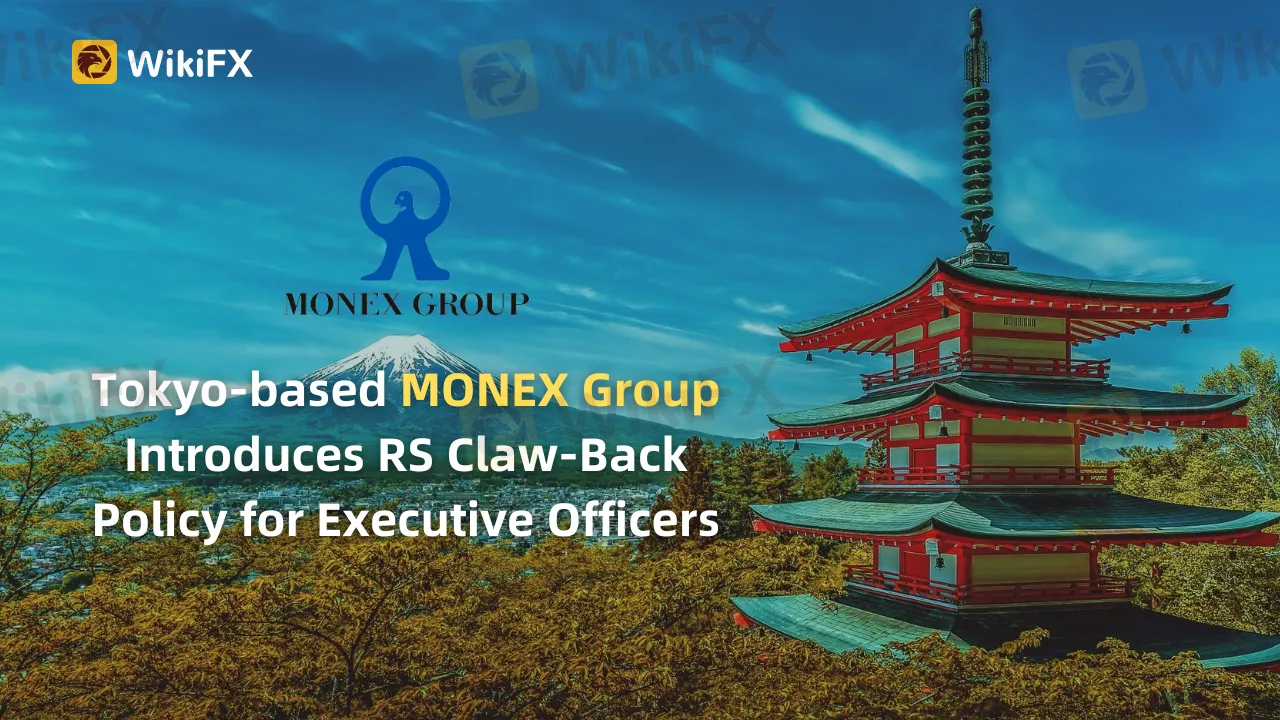
MONEX Group, Inc. (TYO:8698), a Tokyo-based supplier of electronic trading services, has disclosed the introduction of a claw-back policy regarding the compensation of its senior officers. When serious accounting mistakes or misbehavior are found inside the firm group, this policy tries to recover compensation. Restricted stock (RS) and performance-based compensation for executive officers will be subject to the policy starting on April 24, 2023, with review periods starting with the fiscal year that concluded on March 31, 2023.
According to the recently adopted policy, MONEX may require those who have committed or been involved in such actions to return all or part of their RS without any consideration if a significant accounting error or misconduct is discovered within three years of the removal of restrictions on the transfer of awarded RS to the company's executive officers. This policy is intended to guarantee ethical procedures inside the company and to hold leaders responsible for their deeds.

The policy includes performance-based compensation in addition to the RS claw-back clause. Executive officers may be required to repay all or a portion of their performance-based income if a serious accounting mistake or wrongdoing is uncovered within three years of their receiving it. The significance of moral conduct and financial openness among the company's senior executives is further emphasized by this strategy.
As a preventative action to guarantee corporate responsibility and boost investor trust in the management of the firm, MONEX Group has implemented this claw-back policy. MONEX seeks to develop a culture of integrity and moral decision-making inside its business by holding executive officials accountable for their deeds.
The RS and performance-based compensation of the executive officers of the firm for whom the fiscal year ending March 31, 2023, or any succeeding fiscal year, is an evaluation period will be covered by the policy beginning on April 24, 2023. The claw-back clauses are anticipated to improve the overall corporate governance of the organization and act as a deterrent to any wrongdoings.
The adoption of this strategy by MONEX Group reflects its dedication to encouraging a strong sense of responsibility among its senior executives. As a top supplier of electronic trading services, the business is aware of how crucial it is to uphold strict moral principles and complete financial transparency in order to guarantee long-term success and safeguard the interests of its investors.
 Contents
About MONEX Group
A financial services provider with operations in Japan and other foreign markets is MONEX Group, situated in Tokyo. It provides a range of financial services, such as asset management, investment counseling, and online trading of securities. MONEX Group is a publicly listed business that is under the regulatory vigilance of a number of agencies, including the Financial Services Agency (FSA) and the Tokyo Stock Exchange.

The FSA is in charge of ensuring that financial institutions conduct their business in a fair and open way since they are the major regulator of the Japanese financial sector. The FSA has established a number of standards that MONEX Group must follow, including those pertaining to client protection, risk management, and transparency obligations.
Download and install the WikiFX App on your smartphone to stay updated on the latest news in the financial market.
Download the app here: https://social1.onelink.me/QgET/px2b7i8n