Abstract:Banking authorities unveiled a plan on Sunday to assist customers at Silicon Valley Bank (SVB), which was being threatened by systemic spread due to its emphasis on technology.
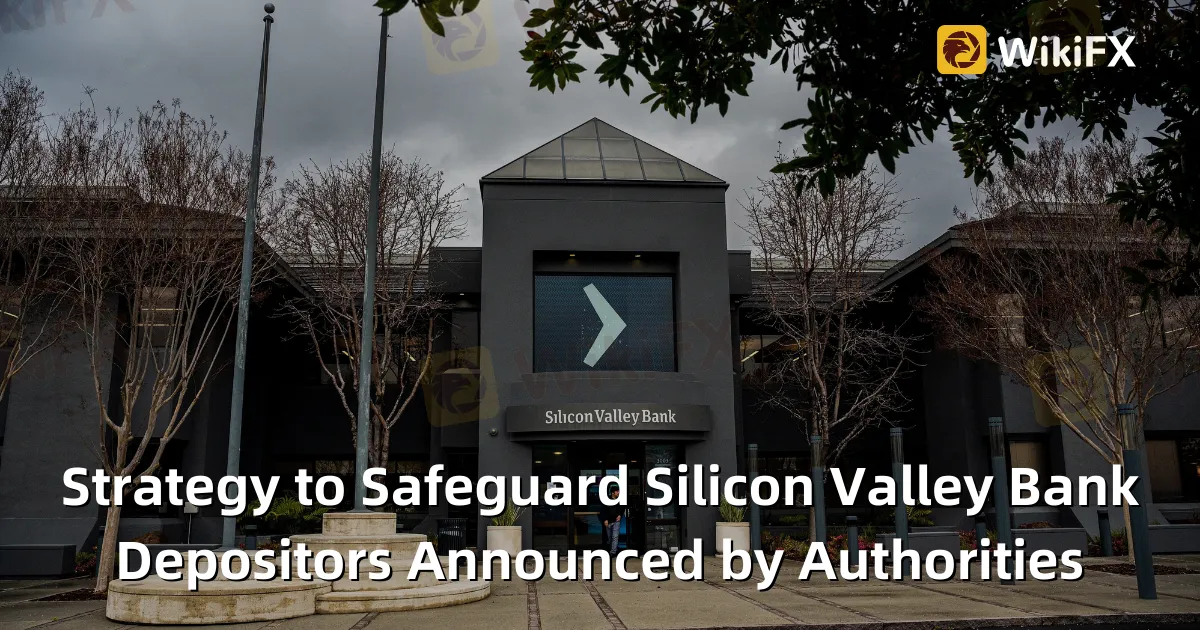
In response to concerns about the spread, regulators announce a strategy to safeguard customers at Silicon Valley Bank and Signature Bank. Investors react favorably.
 Contents
Federal Leaders and the FDIC Approve a Significant Resolution
U.S. Treasury Secretary Janet Yellen, Fed Governor Jerome Powell, and FDIC Director Martin Gruenberg all released a statement on Sunday night. The Federal Reserve and FDIC directors gave their approval to the settlement of SVB as mentioned in the statement after consulting with President Joseph Biden. Additionally, the declaration guaranteed that no American would suffer a loss and that all stockholders would be compensated.
“Today we are taking decisive actions to protect the U.S. economy by strengthening public confidence in our banking system,” the statement said. “This step will ensure that the U.S. banking system continues to perform its vital roles of protecting deposits and providing access to credit to households and businesses in a manner that promotes strong and sustainable economic growth.”
The action was taken to prevent a potential crisis and to maintain public trust in the financial system.
Depositors at SVB and Signature Bank, which was shut down due to comparable worries, would have complete access to their funds, which would be completely safeguarded by the FDIC's bank protection fund.
Investors Pay the Cost
They would lose all of their assets, and some unpaid debtors and shareholders would not be covered.
The Treasury Department identified both SVB and Signature as systemic threats, allowing it to completely safeguard all investors during the unwinding of both organizations.
Fed will Protect Affected Companies
A new Bank Term Financing Program was launched by the Federal Reserve with the intention of protecting institutions affected by the market unpredictability caused by the SVB failure.
The program would provide banks, saving organizations, credit unions, and other entities with loans for as long as a year in exchange for excellent security from the applicant.
The Fed also announced that it would loosen restrictions at its discount window, which would use the same restrictions as the BTFP but provide more benevolent terms.
Investors Respond Favorably
The markets responded favorably to the news, with the price of Bitcoin rising by more than 7% and contracts linked to the Dow Jones Industrial Average rising by more than 250 points in early trading.
Fall of History
Since the demise of Washington Mutual in 2008, the SVB failure was the biggest financial firm failure in the country. Treasury Secretary Janet Yellen stressed that there would be no SVB rescue in her statement that the action was not intended to be a subsidy.
Install the WikiFX App on your smartphone to stay updated on the latest news.
Download link: https://www.wikifx.com/en/download.html?source=fma3