Abstract:British consumer price inflation hit an annual rate of 9.4% in June compared with 9.1% in May, data showed on Wednesday.
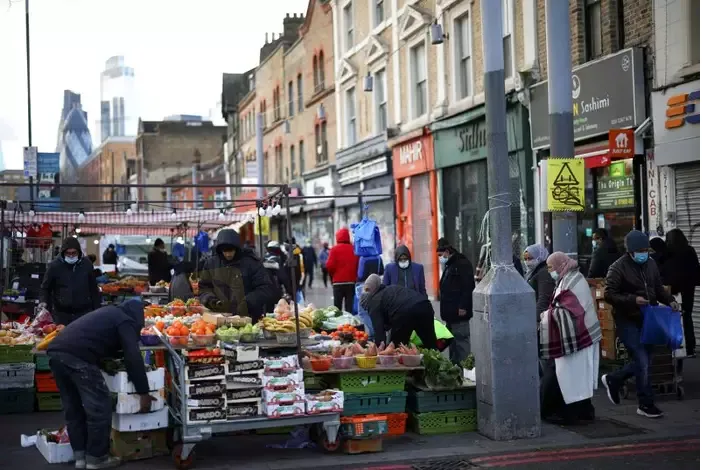
Surging petrol and food prices last month pushed British inflation to its highest rate in 40 years, according to official figures that bolstered the chances of a rare half
The Office for National Statistics said annual consumer price inflation rose in June to 9.4%, the highest since February 1982, up from Mays 9.1% and above the 9.3% consensus in a Reuters poll of economists.
The latest increase means Britain had the highest rate of inflation in June among the Group of Seven advanced economies, although many smaller European Union countries are seeing even faster growth in prices.
Wednesdays data bolstered bets that the BoE will opt for a 50-basis point rate hike next month.
Governor Andrew Bailey on Tuesday said that scale of increase in borrowing costs – unseen in Britain in a quarter of a century – was on the table but not “locked in”.
The BoE has raised borrowing costs five times since December as it tries to stop the surge in inflation from becoming embedded in Britains economy, and it is expected to increase them again on Aug. 4 after its next monetary policy meeting.
The ONS pointed to a 42% year-on-year rise in petrol prices and an almost 10% increase in food prices as the primary drivers of inflation last month.
“Soaring inflation means that momentum for a half-point interest rate rise in August is growing,” Suren Thiru, economics director of accountancy trade body ICAEW, said.
“However, tightening monetary policy too aggressively increases the risk of recession and will do little to address the global factors driving this inflationary surge.”
Investors now see an almost 100% chance of the BoE raising Bank Rate to 1.75% from 1.25% next month. It said in June that it was ready to act “forcefully” if needed.
The cost-of-living crunch has triggered a wave of industrial action by trade unions and been hotly debated among the three remaining candidates in the race to replace Boris Johnson as prime minister.
Two are promising immediate tax cuts, something the other contender, former finance minister Rishi Sunak, says risks fuelling inflation further.
The ONS said core inflation in June fell to 5.8% from 5.9% in May, in line with the Reuters poll median forecast, which could reassure BoE rate-setters who might be reluctant to hike rates more aggressively.
But there were signs of further inflation pressure ahead.
Prices paid by factories for materials and energy – a key determinant of prices later paid by consumers in shops – were 24.0% higher in June than a year earlier, the biggest increase since these records began in 1985, the ONS said.
Prices charged by factories jumped by 16.5%, the most since September 1977.
In response to the data, finance minister Nadhim Zahawi said Britain was not alone in facing runaway inflation and the government was joining forces with the BoE to tackle the problem.